
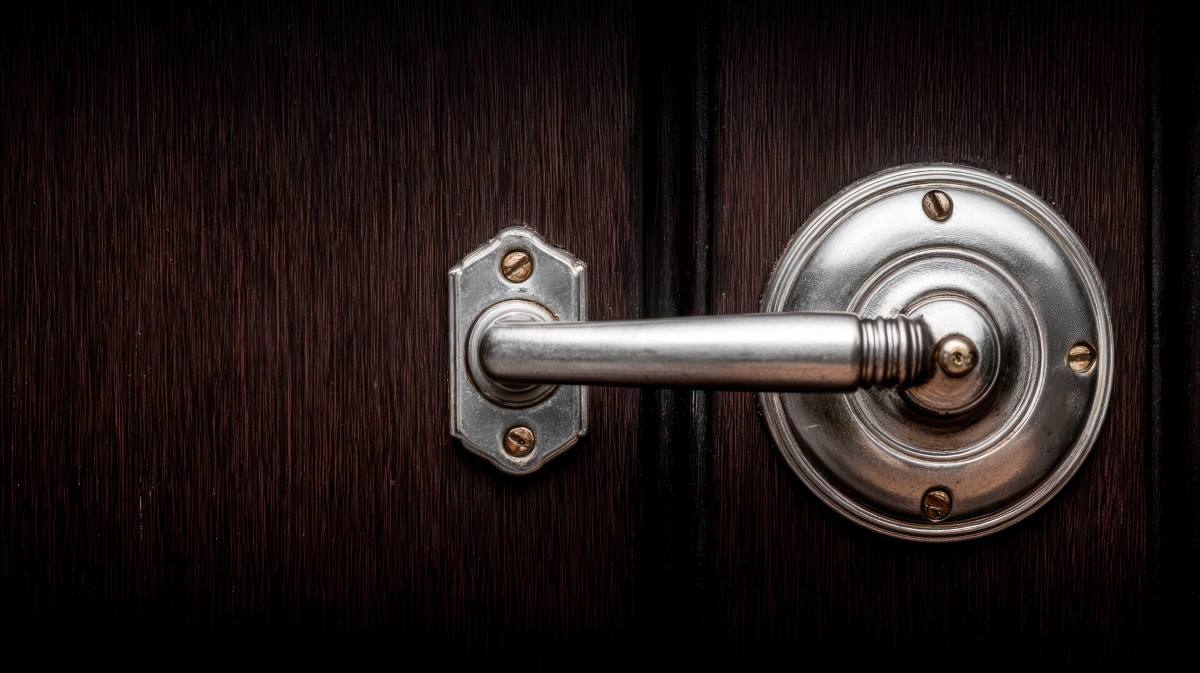
When people discuss great interior design, the conversation usually centres on colour palettes, furniture, lighting, flooring, and architectural features.
Rarely does anyone begin by talking about door handles, hinges, locks, or cabinet hardware.
Yet these seemingly small details have a remarkable influence on how a space looks, feels, and functions. Architectural hardware may not be the most obvious element in a room, but it is often the component that ties everything together.
Like good typography in a book or careful editing in a film, quality hardware performs its role quietly. When chosen well, it feels natural and effortless. When chosen poorly, it can undermine even the most carefully considered interior.
For this reason, architectural hardware deserves far more attention than it typically receives.
What Is Architectural Hardware?
Architectural hardware refers to the functional metal components used throughout a building.
This includes door handles, knobs, hinges, locks, latches, escutcheons, cabinet pulls, and other fittings that support the operation of doors and furniture.
While these items serve practical purposes, they also contribute to the visual language of a space. Their design, finish, scale, and material all influence how interiors are perceived.
Because hardware appears repeatedly throughout a property, its impact often extends far beyond its physical size.
The Details That Connect A Design Scheme
Successful interiors rarely depend on a single statement piece.
Instead, they are built from layers of decisions that work together to create a cohesive whole. Architectural hardware forms part of that framework.
A beautifully designed room can feel incomplete if the hardware does not complement the wider scheme. Likewise, thoughtfully selected fittings can strengthen the relationship between architectural features, furnishings, and decorative elements.
The effect is often subtle but important.
When finishes are coordinated and hardware styles support the overall design direction, spaces feel more unified and intentional.
Hardware Shapes Everyday Experiences
Unlike many decorative elements, architectural hardware is not only seen but also touched.
Every time someone opens a door, closes a cabinet, or operates a lock, they interact directly with the hardware. These repeated experiences influence how a building is perceived.
A handle that feels substantial, operates smoothly, and sits securely within the hand communicates quality. Loose fittings, poor materials, or awkward designs create the opposite impression.
Because hardware is used so frequently, its influence on the day-to-day experience of a space is often greater than many larger design features.
Good design is not simply about appearance. It is also about how things work.
Why Consistency Matters
One of the most overlooked aspects of architectural hardware is consistency.
Different finishes, conflicting styles, and varying quality levels can make a property feel disjointed. Even when individual fittings are attractive, inconsistency often creates visual distraction.
By contrast, a coordinated hardware scheme helps establish continuity throughout a building.
This does not mean every handle or fitting must be identical. Rather, they should share a common design language that supports the property's architecture and interior style.
Consistent hardware creates a sense of order that people notice, even if they cannot immediately identify the reason.
The Relationship Between Hardware And Architecture
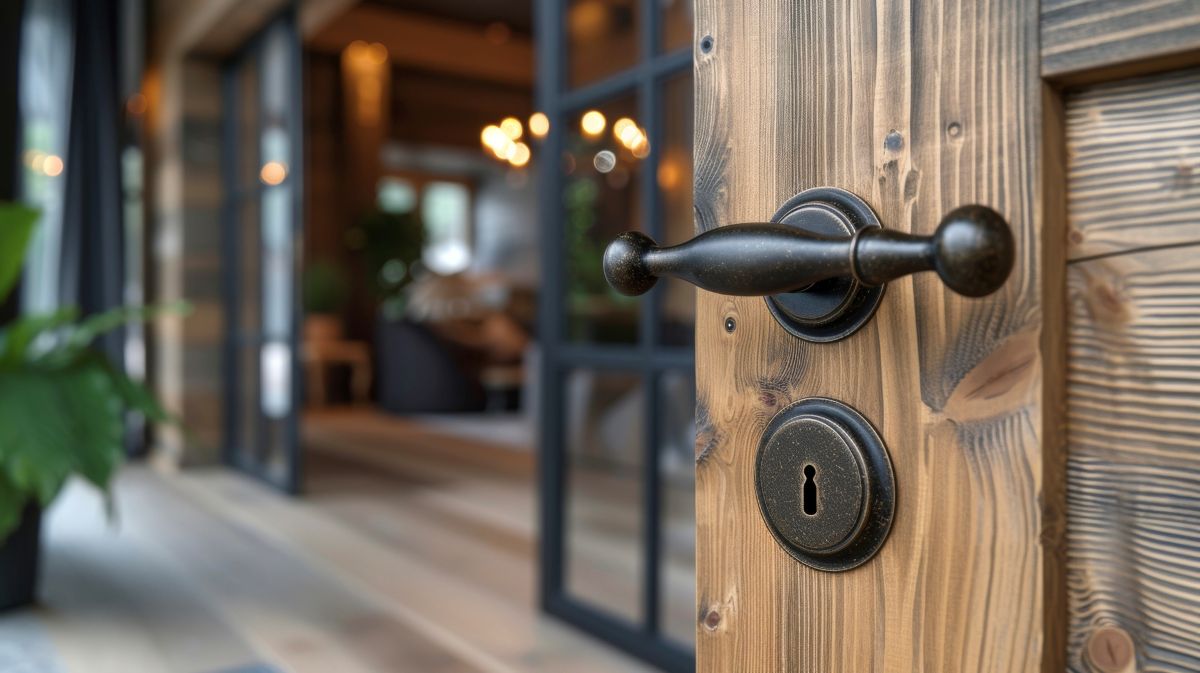
Architectural hardware should feel connected to the building itself.
Traditional properties often benefit from fittings that reflect their period character, while contemporary homes typically suit more streamlined designs.
When hardware aligns with the architecture, it feels natural rather than imposed.
This relationship becomes particularly important during renovations. Updating doors, flooring, lighting, and furniture without considering the hardware can result in a finished space that feels incomplete.
Many homeowners researching why architectural hardware matters in design discover that hardware often acts as the final layer that brings the entire scheme together.
Without it, even expensive renovations can feel unfinished.
Material Choice Makes A Difference
The quality of hardware is influenced heavily by the materials used.
Solid brass, stainless steel, and other durable metals tend to offer greater longevity and a more substantial feel than lower-cost alternatives. They also age differently, often developing character rather than simply deteriorating.
Material selection affects both aesthetics and performance.
A high-quality handle not only looks better but typically provides a smoother, more reliable experience over time. This combination of visual appeal and durability is one reason why architectural hardware is often viewed as a long-term investment rather than a decorative accessory.
Contemporary Design And The Rise Of Black Hardware
Modern interiors have contributed to the growing popularity of black architectural hardware.
Black finishes provide contrast, simplicity, and versatility, making them particularly effective within contemporary spaces. They pair well with neutral colour schemes, natural materials, and minimalist design approaches.
As a result, black hardware has become a common specification in residential projects, commercial developments, and renovation work alike.
For designers and homeowners seeking modern black door hardware for contemporary interiors, black finishes offer a balance of visual impact and understated sophistication that complements many current design trends.
Good Hardware Is Often Invisible
Perhaps the greatest compliment architectural hardware can receive is that nobody notices it.
This may sound counterintuitive, but truly successful hardware feels entirely appropriate to its surroundings. It supports the design without competing for attention.
People notice how a space feels rather than focusing on individual components.
The hardware contributes to that feeling by providing consistency, functionality, and visual harmony throughout the property.
Like many aspects of good design, its success often lies in how seamlessly it integrates with everything around it.
Final Thoughts
Architectural hardware rarely receives the recognition given to larger design features, yet its contribution to a space is significant.
It connects rooms, supports daily interactions, reinforces architectural character, and helps create a cohesive interior. Through thoughtful selection of materials, finishes, and styles, hardware can elevate both the appearance and functionality of a property.
While it may not always be the first thing people notice, architectural hardware remains one of the most important elements in creating interiors that feel complete, considered, and enduring.


