




Monthly Archives: January 2026
-
- January 18, 2026
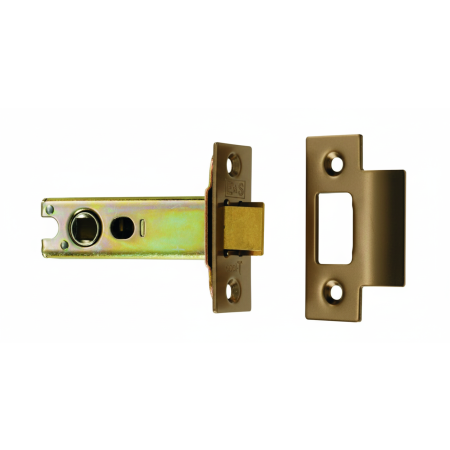
Door locks serve one fundamental purpose: - preventing unauthorised entry - but the mechanisms that achieve this vary considerably. Different lock types offer different security levels, suit different door types, and provide varying balances between convenience and protection. Understanding what's available helps you choose locks appropriate for your security needs rather than just accepting whatever came with your doors.
The right lock depends on where you're using it, what you're protecting, and what level of security you need. Front doors require different locks than internal bedroom doors. Rental properties have different needs than owner-occupied homes. High-crime areas justify different security investments than quiet rural locations.
Here's what's available and where each type works best.
Cylinder Rim Locks (Night Latches)
How They Work
Cylinder rim locks, commonly called night latches or Yale locks (after the most recognised brand), mount on the inside surface of the door rather
-
- January 15, 2026
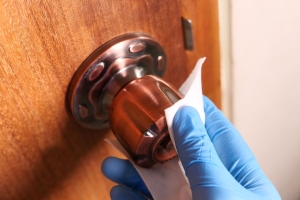
Brass door handles command premium prices for good reason - solid brass is durable, develops attractive patina over time, and maintains its structural integrity for decades. But not every brass-coloured handle is actually solid brass. Brass-plated zinc alloy, brass-finished steel, and even painted finishes that mimic brass appearance are common, often sold at prices that make buyers believe they're getting solid brass when they're not.
If you're investing in what you think is solid brass hardware, knowing how to verify what you're actually buying protects you from overpaying for inferior materials. Whether you're assessing handles before purchase or evaluating antique hardware you've inherited or found, several tests reveal whether you're dealing with genuine solid brass or something else entirely.
The Magnet Test
How It Works
Solid brass is non-magnetic. If you hold a magnet to a solid brass handle, it won't stick. This happens because brass is an alloy of copper and zinc, neither of which
-
- January 11, 2026
Walking into a door hardware supplier or browsing online for door handles quickly reveals that the industry uses terminology most people don't encounter in everyday conversation. Backsets, roses, escutcheons, spindles, PZ measurements - terms that mean nothing until you need to know them, at which point not understanding them creates confusion and potential ordering mistakes.
This isn't deliberate obscurity. These terms describe specific components and measurements that matter when you're selecting, ordering, or installing door hardware. Understanding the basic vocabulary makes the process significantly easier and helps you communicate clearly with suppliers or installers about what you actually need.
Handle Components and Types
Lever Handles
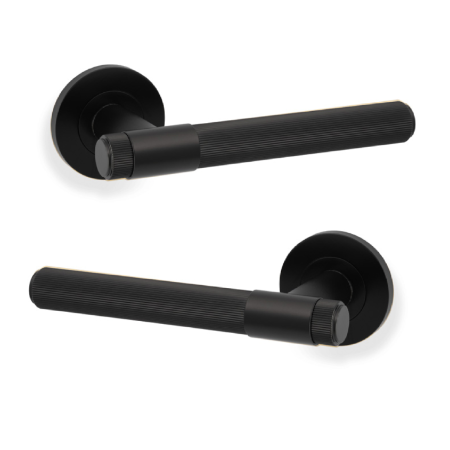
Lever handles are the most common type of door handle in modern homes - a horizontal lever you push down to operate the latch. They're easier to use than knobs, requiring less grip strength and dexterity, which makes them better for accessibility.
-
- January 08, 2026
Door handle height affects both functionality and accessibility more than most people realise. Install handles too high and shorter household members or those with mobility issues struggle to reach them comfortably. Too low and taller people find themselves bending awkwardly. Get it wrong and you're stuck with poorly positioned hardware that's either impractical to relocate or requires living with the inconvenience.
Fortunately, there are established standards for handle height that balance accessibility, ergonomics, and building regulations. Understanding these guidelines ensures your door handles sit at heights that work for the widest range of users whilst meeting regulatory requirements where applicable.
UK Building Regulations Standards
Approved Document M Requirements
In the UK, Approved Document M (Access to and Use of Buildings) specifies handle heights for accessibility. For new builds and certain renovations, door handles and controls must be positioned between 900mm and 1000mm
-
- January 05, 2026
One of the biggest mistakes to avoid in selecting door handles is getting the wrong size. We don’t blame you, though - door handle sizing seems straightforward until you're actually trying to choose hardware and discover there are multiple measurements to consider, terminology you're unfamiliar with, and compatibility issues you didn't anticipate. The wrong size doesn't just look odd - it can make doors difficult to operate, require modifications to your door, or simply not fit the existing holes and mechanisms.
Getting sizes right the first time means understanding what measurements matter, how they're expressed, and what's standard versus what requires custom preparation. It prevents the frustration of ordering handles that arrive and don't fit, or look disproportionate once installed.
Key Measurements Explained
Backset Measurement
Backset is the distance from the edge of the door to the centre of the handle spindle hole - essentially how far the handle sits from the door edge. This is
-
- January 02, 2026
When you're choosing door handles, it's tempting to think aesthetics are the main consideration - finding hardware that matches your interior style and looks good on your doors. And whilst appearance certainly matters, there's a more fundamental distinction that affects performance, durability, and safety: whether the handle is designed for internal or external use.
Internal and external door handles aren't interchangeable. They're built differently, use different materials and finishes, meet different security requirements, and perform different functions. Using internal handles on external doors creates problems - premature deterioration, security vulnerabilities, and handles that simply don't stand up to weather exposure and security demands.
Understanding what makes them different helps you choose appropriate hardware rather than discovering you've made the wrong choice after installation.
Construction and Material Durability
Internal Door Handle Materials
Internal handles prioritise