




Basic Door Hardware Terminology Guide
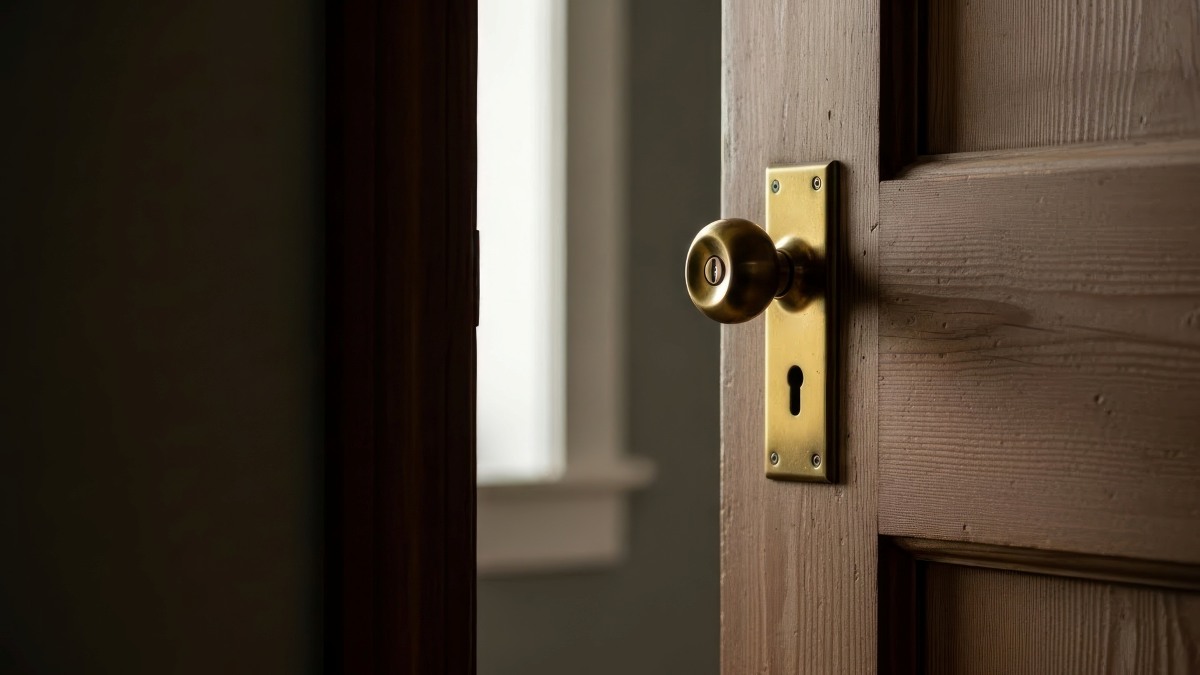
Walking into a door hardware supplier or browsing online for door handles quickly reveals that the industry uses terminology most people don't encounter in everyday conversation. Backsets, roses, escutcheons, spindles, PZ measurements - terms that mean nothing until you need to know them, at which point not understanding them creates confusion and potential ordering mistakes.
This isn't deliberate obscurity. These terms describe specific components and measurements that matter when you're selecting, ordering, or installing door hardware. Understanding the basic vocabulary makes the process significantly easier and helps you communicate clearly with suppliers or installers about what you actually need.
Handle Components and Types
Lever Handles
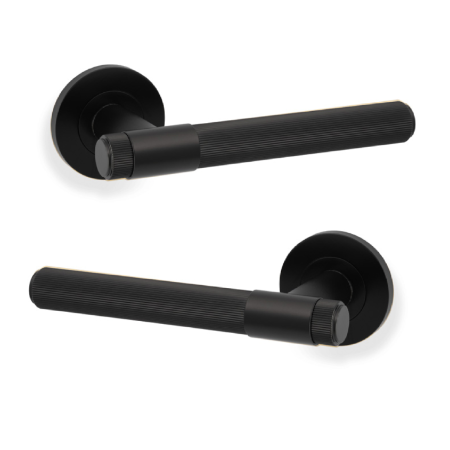
Lever handles are the most common type of door handle in modern homes - a horizontal lever you push down to operate the latch. They're easier to use than knobs, requiring less grip strength and dexterity, which makes them better for accessibility.
The lever attaches to a backplate or rose (more on those shortly) and connects internally to a spindle that operates the latch mechanism. Lever handles come in countless designs, from traditional to contemporary, but the basic operation remains the same.
Knob Handles
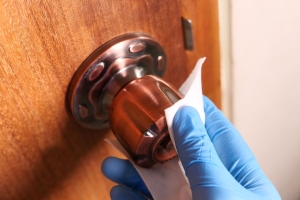
Knob handles are round grips that you twist to operate the door. They're less common in new installations than levers because they require more hand strength and dexterity - you need to grip and twist rather than simply pushing a lever down.
Knobs work well aesthetically in period properties or traditional settings where they suit the architectural style. Functionally, they're fine for able-bodied users but less suitable where accessibility is a priority.
Pull Handles
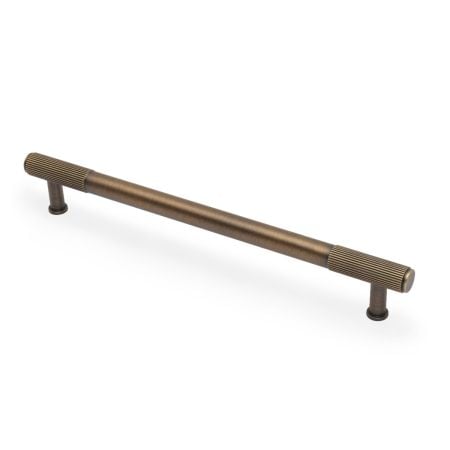
Pull handles are exactly what they sound like - handles you pull rather than turn. They're common on entrance doors, sliding doors, and barn doors where you need to physically pull the door open rather than operating a latch.
Pull handles often pair with push plates on the opposite side, or they're used on both sides of sliding doors. They don't operate mechanisms themselves - they're purely for gripping and pulling.
Mounting Plates and Roses
Backplates
A backplate is a flat plate that sits against the door surface with the handle mounted to it. Backplates are typically rectangular or oval, running vertically behind the lever or knob.
Backplates serve multiple functions - they provide a mounting surface for the handle, cover the door where holes have been drilled for the mechanism, and create a finished appearance. They're particularly useful when replacing handles because they can hide marks or holes from previous hardware.
Roses
Roses are circular plates that perform the same basic function as backplates but with a more minimal appearance. Instead of a long plate behind the handle, a rose is just a round disc at the handle mounting point.
Roses create a cleaner, more contemporary look than backplates. They work well in modern interiors where minimal hardware suits the aesthetic. However, they provide less coverage than backplates, so they're less useful for hiding existing marks or holes.
Escutcheons
An escutcheon is a small plate that covers the keyhole on doors with locks. It can be separate from the handle's backplate or rose, or integrated into the same piece.
Escutcheons serve both functional and aesthetic purposes - they protect the area around the keyhole from wear and provide a finished appearance. On external doors, they're often designed to prevent water ingress around the cylinder.
Latch and Lock Terminology
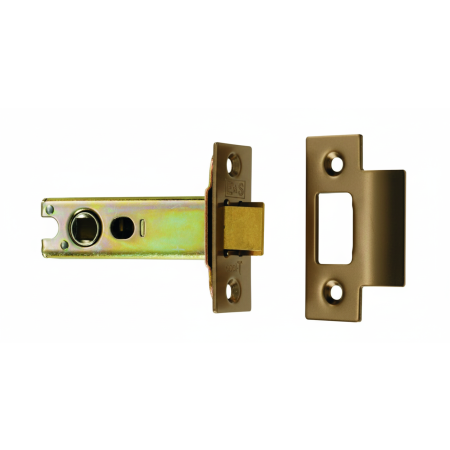
Tubular Latch
A tubular latch is the mechanism that keeps the door closed - the spring-loaded bolt that extends into the door frame when the door is shut. It's called tubular because of its cylindrical shape.
Tubular latches don't lock. They simply hold the door closed and release when you operate the handle. They're used on doors that don't require security - internal doors, cupboards, rooms where privacy isn't needed.
Sashlock
A sashlock combines a tubular latch with a deadbolt that can be locked with a key. It's essentially a latch and a lock in one mechanism, hence the name - sash (latch) and lock.
Sashlocks are common on external doors and any internal doors requiring security - bedrooms in shared houses, offices, storage rooms. They allow the door to latch normally but can be locked when needed.
Euro Cylinder
A euro cylinder is a specific type of lock cylinder used predominantly in uPVC doors and modern composite doors. It's a standardised barrel-shaped mechanism that can be easily replaced without changing the entire lock.
Euro cylinders come in various security grades and feature different protection mechanisms - anti-snap, anti-drill, anti-pick. When discussing door handles for euro cylinder doors, the PZ measurement (covered shortly) becomes relevant.
Critical Measurements
Backset
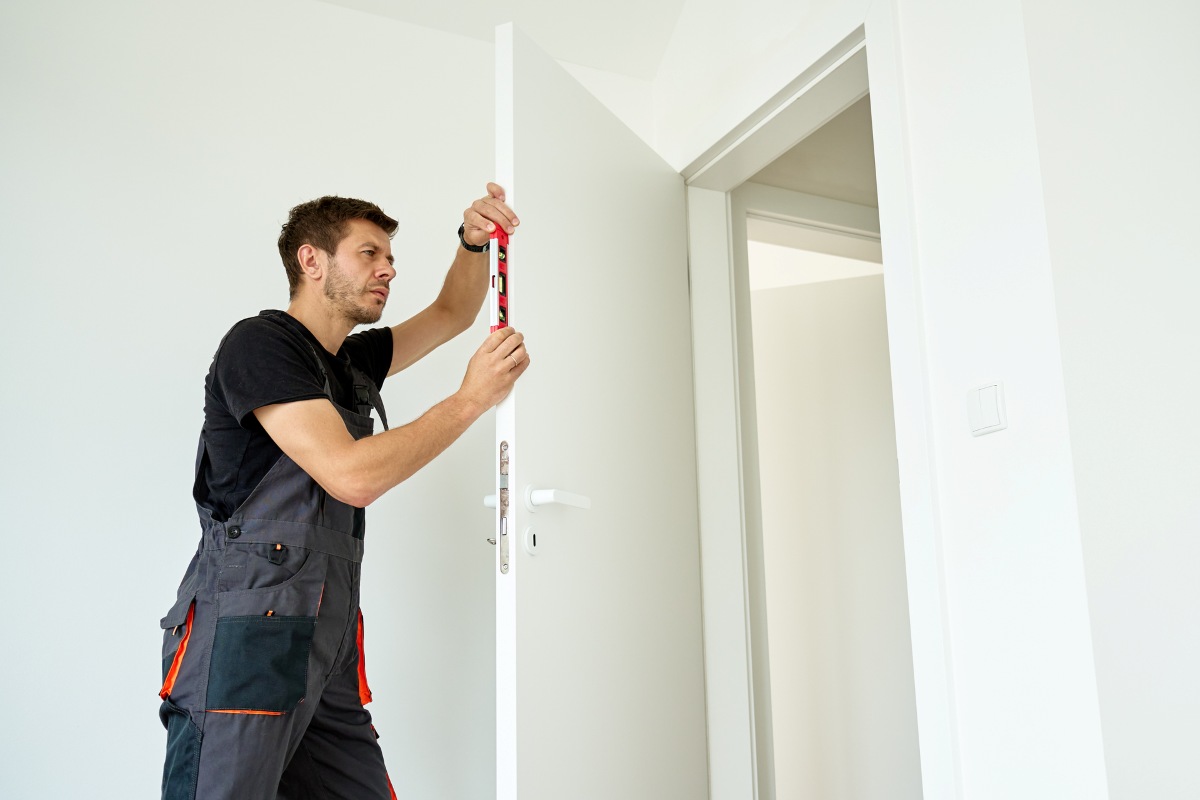
Backset is the distance from the edge of the door to the centre of the spindle hole. This measurement determines whether your handle will align correctly with your latch or lock mechanism.
Standard backsets in the UK are 44mm and 57mm. If you're replacing existing handles, measure the backset of your current setup to ensure new handles will fit without needing to relocate the latch or drill new holes.
Centres (PZ)
Centres, often called PZ (pitch centre dimension), refers to the distance between the spindle centre and the cylinder centre on doors with euro cylinders. This measurement ensures the handle positions correctly relative to the lock cylinder.
Common PZ measurements are 92mm, 85mm, and 70mm. Measuring your existing setup before ordering handles for euro cylinder doors prevents ordering hardware that won't align with your cylinder position.
Spindle
The spindle is the square metal bar that passes through the door, connecting the handles on both sides and operating the latch mechanism. When you push down a lever handle, you're rotating the spindle, which operates the latch.
Standard UK spindles are 8mm square, though some variations exist. The spindle passes through the latch mechanism and both door handles, synchronising their operation.
Finish and Material Terms
PVD Finish
PVD (Physical Vapour Deposition) is a coating process that creates extremely durable, hard-wearing finishes on door hardware. PVD finishes resist scratching, tarnishing, and corrosion far better than standard plating.
Whilst PVD finishes cost more than standard options, they maintain their appearance significantly longer, particularly on high-use doors or external hardware exposed to weather.
Lacquered vs Unlacquered Brass
Brass door handles come in lacquered and unlacquered varieties. Lacquered brass has a protective coating preventing tarnish - it maintains its bright, polished appearance without maintenance. Unlacquered brass develops a patina over time, changing colour and character as it ages.
Neither option is inherently better - it's aesthetic preference. Some people love the living finish of unlacquered brass, others prefer the consistent appearance of lacquered.
Brushed, Polished, and Satin Finishes
These terms describe surface treatment. Polished finishes are shiny and reflective, brushed finishes have visible directional lines creating a matte appearance, and satin finishes fall somewhere between - smooth but not mirror-like.
Brushed and satin finishes generally hide fingerprints and minor wear better than polished finishes, making them practical choices for high-traffic areas.
Installation Hardware
Fixing Screws
Fixing screws attach the handle to the door. Quality door hardware includes appropriate fixings matched to the handle's finish - using mismatched screws looks unprofessional and can affect both appearance and security.
Some handles use concealed fixings for a cleaner appearance, whilst others have visible screws that become part of the design aesthetic.
Grub Screws
Grub screws (also called set screws) are small screws that secure the handle to the spindle or other components. They're usually accessed from the side of the handle and tightened with an Allen key.
These small screws prevent handles from coming loose during use. If handles start feeling loose, tightening grub screws often resolves the issue.
Understanding the Language
Knowing these basic terms makes selecting door hardware considerably easier. You can communicate clearly with suppliers about what you need, understand product specifications, and make informed decisions about compatibility.
At Brass Works, our modern door hardware in darker tones and other ranges include full specifications using these standard terms, allowing you to verify compatibility and understand exactly what you're ordering.
Door hardware terminology exists to describe components and measurements precisely. Understanding the basics transforms what might seem like confusing jargon into useful information that helps you get the right hardware for your doors.