




Brass vs. Chrome: Which Door Handle Finish is Best for Your Home

The brass-versus-chrome question is mostly a question about era. Chrome is the finish of late twentieth-century minimalism, the default specification for new-build flats and rental refurbishments since the 1990s.
Brass is older and newer at once: traditional in the heritage sense, but also the dominant choice in current high-end residential design after a decade of brass dominating interiors magazines.
Choosing between them is not really about which is better in some absolute sense. It is about which one belongs in your home, given the architecture you have, the look you want, and the kind of life the hardware will be living.
What Are The Practical Differences?
Brass and chrome behave differently in almost every respect.
Material Versus Plating
Brass is a base metal in its own right. The handle itself is brass, with finishes applied or developed on its surface. Chrome is a plating, typically nickel-chrome over a base metal that may be brass, steel, or zinc alloy.
The implication is that scratches on brass reveal more brass; scratches on chrome reveal whatever sits beneath the plating. On quality chrome over brass, that base material is reasonably attractive. On budget chrome over zinc, the exposed metal is dull grey and corrodes within months.
How Each Ages
Brass develops character with age. Polished brass tarnishes if unlacquered, lacquered brass holds its appearance for years before the lacquer eventually wears, and antique brass is essentially pre-aged. Chrome stays visually identical for its working life, then eventually pits and flakes.
Maintenance Demands
Brass requires occasional polishing if you want it to stay bright (or none at all if you embrace the patina). Chrome is essentially maintenance-free until it starts failing, at which point it needs replacing rather than restoring.
Feel In The Hand
Brass is denser and warmer to touch. Chrome is colder and harder. Both can be made to identical weights with backing material, but the surface temperature in your hand is genuinely different.
How Do The Two Finishes Affect A Room's Aesthetic?
Brass For Warmth
Brass adds warmth. The colour spectrum runs from the pale yellow of polished brass through honey tones in satin finishes to the deeper browns of antique and aged variants.
In a room with warm timber floors, soft textiles, and traditional architectural features, brass tends to feel native.
Chrome For Clarity
Chrome adds clarity. Its blue-white reflectivity sits well against grey, white, and cool palettes; it photographs cleanly; it suits architectural styles that prioritise simplicity and visual order.
In a room with concrete, polished plaster, or stark white walls, chrome reads as the right material.
Coordinating With The Rest Of The Room
The mistake people make is treating finish choice as independent of the rest of the room. A brass handle on a chrome-fitted bathroom looks like an oversight rather than a decision. Chrome handles in a heritage property with brass tap fittings and brass picture rails read as a misstep.
Coordinate hardware finishes across a space rather than choosing each item in isolation. The handles, hinges, escutcheons, taps, and any visible metalwork should belong to the same family even if they vary slightly in finish.
Which Finish Lasts Longer?

Both can last decades when properly specified and fitted; both can fail in five years when they are not.
Quality Brass Performance
Quality solid brass handles, lacquered or unlacquered, will outlast the door they are fitted to. The base metal is structurally stable, the finish either ages gracefully (unlacquered) or holds up reliably for 20-30 years before relacquering becomes necessary.
Quality Chrome Performance
Quality chrome plating over a brass base, applied in multiple layers with proper preparation, similarly lasts decades. The chrome itself is one of the harder finishes available for hardware and resists scratching, fingerprints, and atmospheric corrosion well.
Where Chrome Falls Down
Where chrome falls down is in budget specifications. Cheap chrome over zinc alloy, applied thinly to keep costs down, fails through pitting, peeling, and flaking within five to ten years of normal use. The point of failure is usually edges and stress concentrations, where the plating is thinnest.
Why Brass Has Fewer Failure Modes
Brass has fewer ways to fail catastrophically. It can tarnish, scratch, and develop wear marks, but it does not flake or pit in the way that compromised chrome does. Even when the visual appearance has degraded, the underlying handle is still structurally sound and can usually be cleaned or refinished.
In environments with chlorides (coastal homes, swimming pools, salt-air conditions), brass tarnishes faster but recovers readily; chrome can suffer pitting that cannot be repaired without replating.
What About Lacquered Versus Unlacquered Brass?
This is the question lurking inside the brass-versus-chrome decision, and it deserves its own consideration.
Lacquered Brass For Consistency
Lacquered brass is sealed with a clear coating that prevents tarnishing. The handle stays bright and consistent for years without polishing, looking essentially the same in year five as in year one.
Eventually the lacquer wears, particularly at high-contact areas like the lever's grip, at which point the exposed brass starts to age unevenly. Re-lacquering or stripping back to unlacquered restores consistency.
Unlacquered Brass For Patina
Unlacquered brass develops a living patina from the moment it is fitted. The areas you touch most stay brighter; areas you do not touch darken and develop richer tones; the overall character changes year by year.
Some people find this beautiful; others find it untidy.
The specific differences between lacquered and unlacquered brass come down to whether you want hardware that stays uniform or hardware that ages with the house. Both are legitimate choices.
Chrome offers no equivalent decision. The finish is what it is.
Which Should You Choose For Your Home?
Period Properties
For Georgian, Victorian, Edwardian, or any home where original architectural features remain, brass is almost always the right choice. The material belongs to the era of the building and reads as native rather than imposed.
Mid-Century And Contemporary Homes
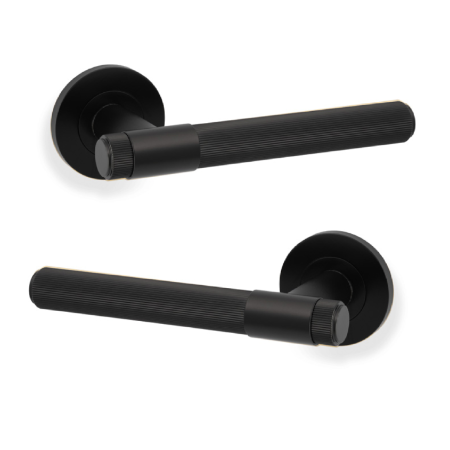
The choice opens up here. Polished chrome works in the most minimalist contexts; satin chrome or brushed nickel handles the middle ground; matte black or bronze tones (PVD-applied over brass) suit darker, moodier interiors.
New Builds
The question becomes a design decision rather than a heritage one. Both finishes can work; the surrounding specifications should determine which is appropriate.
Kitchens And Bathrooms
Where moisture is a constant factor, both materials can perform if properly specified. Quality matters more than the finish choice; budget hardware in either material will fail prematurely in these environments.
Where brass genuinely struggles is in clinical or highly minimal settings; where chrome genuinely struggles is in warmer, traditional, or heritage settings. Outside those edges, either can work if chosen with the rest of the space in mind.
Want hardware to match traditional or warm contemporary interiors? Our decorative brass interior door hardware at Brass Works ranges across polished, satin, antique, and aged finishes that suit different periods and design directions while keeping solid brass as the base material.