







Blog
-
- May 26, 2026
Most rooms reach a point where all the major decisions have been made.
The walls are painted, the furniture is in place, the flooring is finished, and the lighting has been installed. Yet something still feels incomplete.
This is a common challenge in interior design. A room can contain all the essential elements and still lack the sense of cohesion that makes it feel finished.
Often, the difference comes down to the smaller details. Finishing touches help connect the various elements within a space, creating a room that feels considered rather than merely assembled.
Here are ten finishing touches that can make almost any room feel complete.
1. Consistent Hardware
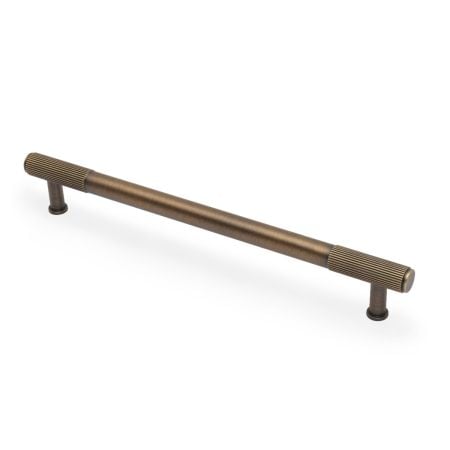
One of the most overlooked details in interior design is hardware.
Door handles, cabinet pulls, hinges, and other fittings appear throughout a room, influencing how the space feels both visually and practically.
When hardware styles and finishes are coordinated, the room immediately feels more intentional. Inconsistent finishes
-
- May 24, 2026
Interior design trends often move between extremes.
One decade may favour bold colours, statement pieces, and highly decorative interiors, while the next embraces simplicity and restraint. In recent years, a new approach has gained significant attention among designers and homeowners alike: quiet luxury.
Unlike traditional ideas of luxury, which often rely on obvious displays of wealth, quiet luxury focuses on quality, craftsmanship, and timeless design. It prioritises materials, proportions, and attention to detail over visual excess.
The result is an interior that feels refined without appearing overly designed, creating spaces that are elegant, comfortable, and enduring.
What Is Quiet Luxury?
Quiet luxury is built around the idea that quality speaks for itself.
Rather than relying on trends or decorative statements, this design philosophy focuses on carefully selected materials, thoughtful craftsmanship, and understated sophistication. Every element has a purpose, and nothing feels included
-
- May 22, 2026
When people discuss great interior design, the conversation usually centres on colour palettes, furniture, lighting, flooring, and architectural features.
Rarely does anyone begin by talking about door handles, hinges, locks, or cabinet hardware.
Yet these seemingly small details have a remarkable influence on how a space looks, feels, and functions. Architectural hardware may not be the most obvious element in a room, but it is often the component that ties everything together.
Like good typography in a book or careful editing in a film, quality hardware performs its role quietly. When chosen well, it feels natural and effortless. When chosen poorly, it can undermine even the most carefully considered interior.
For this reason, architectural hardware deserves far more attention than it typically receives.
What Is Architectural Hardware?
Architectural hardware refers to the functional metal components used throughout a building.
This includes door handles, knobs, hinges, locks, latches,
-
- May 15, 2026
Door handles have always been functional, but their role within interior design has changed considerably over the past decade.
Where ornate detailing and decorative hardware once dominated, many homeowners, architects, and interior designers are now gravitating towards cleaner, more streamlined options. Sleek door handles have become a defining feature of contemporary interiors, appearing in everything from new-build apartments to high-end residential renovations.
This shift is not simply about following trends. It reflects broader changes in how people approach interior design, prioritising simplicity, cohesion, and thoughtful detailing throughout the home.
As modern interiors continue to evolve, sleek door handles have established themselves as one of the most popular hardware choices available.
The Move Towards Simplicity
Interior design trends often reflect wider cultural preferences.
Over recent years, many homeowners have embraced cleaner spaces with fewer visual distractions. Open-plan
-
- May 08, 2026
Most homeowners spend time choosing paint colours, flooring, furniture, and lighting, yet door hardware is often treated as an afterthought.
The irony is that door handles are among the first things people see and touch when entering a home. Before a guest notices the kitchen worktops or the carefully chosen décor, they have already interacted with the front door and formed an impression based on how it looks and feels.
Door hardware occupies a unique position within interior design. It serves a practical function, but it also communicates quality, style, and attention to detail. Whether someone is visiting for the first time, viewing a property for sale, or simply moving through the home, the hardware they encounter influences their perception of the space.
First Impressions Begin Before You Enter
The front door creates expectations.
Its colour, material, and condition all contribute to the initial impression, but the hardware is often what completes the picture. A beautifully painted
-
- May 01, 2026
When people think about increasing property value, they usually focus on major renovations. Kitchens, bathrooms, flooring, and extensions tend to dominate the conversation.
What often gets overlooked are the smaller details that influence how a property feels when someone walks through the door.
Door hardware falls into this category. Handles, hinges, escutcheons, locks, and other visible fittings are used every day, yet they rarely receive much attention until they start looking worn or feeling cheap. The right hardware will not add tens of thousands of pounds to a home's market value, but it can significantly influence perceived value, which often matters just as much during a sale.
Buyers form opinions quickly. Quality hardware helps create an impression of care, consistency, and attention to detail throughout the property.
Why Perceived Value Matters
Property value is not determined solely by square footage, location, or comparable sales.
Perceived value influences how buyers respond
-
- April 11, 2026
Door hardware is the part of a renovation budget people consistently underspend on. The reasoning is intuitive enough: handles are small, walls are large, and given a fixed budget, putting money into the things you see most seems sensible.
The problem is that you do see hardware constantly, more often than the wallpaper or the paint colour, and you also touch it. Hardware is the part of a finished room you have a tactile relationship with every day, and the difference between budget and premium is one your hands learn within a week.
That alone would make the case for spending properly. The financial argument, the longevity argument, and the resale argument all push in the same direction.
How Does Premium Hardware Differ From Budget Options?
The differences are structural rather than cosmetic.
Base Materials
Premium hardware uses solid brass, quality stainless steel, or bronze as the base material. Budget hardware uses die-cast zinc alloy with plated finishes. The first ages gracefully;
-
- April 09, 2026
The brass-versus-chrome question is mostly a question about era. Chrome is the finish of late twentieth-century minimalism, the default specification for new-build flats and rental refurbishments since the 1990s.
Brass is older and newer at once: traditional in the heritage sense, but also the dominant choice in current high-end residential design after a decade of brass dominating interiors magazines.
Choosing between them is not really about which is better in some absolute sense. It is about which one belongs in your home, given the architecture you have, the look you want, and the kind of life the hardware will be living.
What Are The Practical Differences?
Brass and chrome behave differently in almost every respect.
Material Versus Plating
Brass is a base metal in its own right. The handle itself is brass, with finishes applied or developed on its surface. Chrome is a plating, typically nickel-chrome over a base metal that may be brass, steel, or zinc alloy.
The implication is that
-
- April 07, 2026
The material a door handle is made from determines almost everything else about it: how it feels in the hand, how it ages over years of use, how it photographs in a finished room, and whether you will still want it on your door in 2040.
Most homeowners choose handles based on appearance and discover the material implications later. The reverse approach makes more sense, since material decisions you make now show up daily for the next few decades.
What follows is a working guide to the materials that actually matter, what each does well, and where each falls short.
What Are The Main Materials Used For Door Handles?
Five materials cover almost all quality handles on the market: solid brass, stainless steel, bronze, aluminium, and zinc alloy. Each has structural and aesthetic properties that suit it to specific applications.
Solid Brass
The traditional choice for British residential hardware and the benchmark by which others are measured. It is dense, dimensionally stable, naturally corrosion-resistant,
-
- April 05, 2026
Stiffness in a door handle starts gradually. The lever needs slightly more pressure than it used to. The return feels sluggish. There is a faint resistance halfway through the travel that was not there last year.
You compensate without thinking about it, pressing harder, until one day the handle stops cooperating entirely and you realise you have been working around the problem for months.
The good news is that almost all stiff handles can be fixed in under an hour with basic tools. The cause is usually one of four things, and each has a specific intervention. Diagnosis is the harder part; once you know what is actually causing the stiffness, the fix is mechanical and straightforward.
What Causes A Door Handle To Become Stiff?
Friction, in one form or another. The handle's job is to translate a small downward push of the lever into the linear movement of the latch tongue, and any friction added to that mechanical chain shows up as stiffness at the lever.
Dirt And Old Lubricant
Dirt and


