
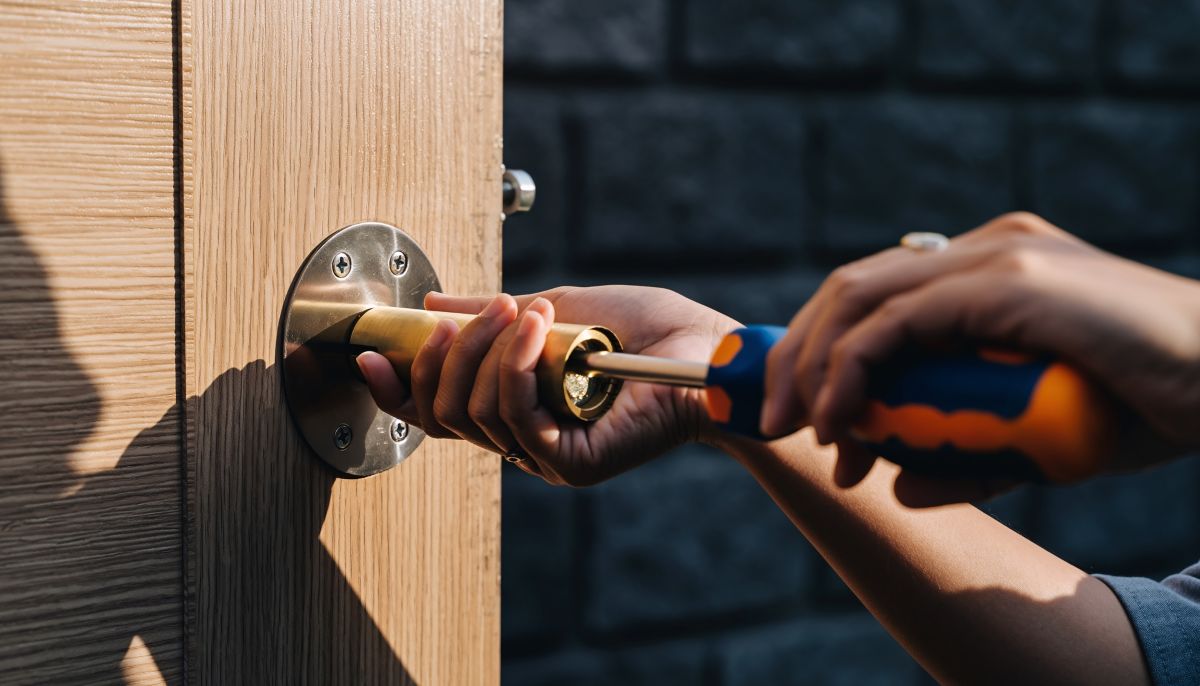
Installing door hardware can look like a simple job. A handle, a latch, a few screws, and you are done. But small mistakes during fitting can lead to doors that stick, handles that feel loose, locks that do not line up, or hardware that wears out faster than it should.
That is why installation matters as much as the hardware itself. Even a high-quality handle can feel poor if it is fitted badly. On the other hand, when the measurements are right and the parts are installed properly, the door works smoothly and the whole room feels better finished.
Before starting, it also helps to think beyond fitting alone. Many installation problems begin earlier, when people buy the wrong style, size, or mechanism. That is one reason it is worth understanding the common mistakes when choosing door handles before you begin.
Not checking the door measurements first
One of the most common mistakes is starting installation without taking proper measurements.
Homeowners sometimes assume that all handles, latches, and locks are more or less the same size. They are not. Door thickness, backset, latch length, and fixing points can vary.
If the measurements are wrong, the handle may sit badly on the door, the latch may not fit the edge properly, or the spindle may not line up as it should. That can turn a simple fitting job into one that needs extra drilling, patching, or even replacement parts.
Before installing anything, check the size of the door and the hardware carefully. A few minutes with a tape measure can save a lot of trouble later.
Choosing hardware that does not match the door’s job
Once the measurements are clear, the next mistake is fitting hardware that is not suited to how the door will be used.
A bathroom door does not need the same setup as a cupboard door. A front door needs a very different level of strength and security from an internal bedroom door. Even within the home, some doors get much heavier daily use than others.
If the wrong type of hardware is installed, the door may be awkward to use or may not give the privacy or security the room needs. A passage handle on a bathroom door, for example, may look fine but not do the job properly.
It is always better to match the hardware to the function of the room first, then think about style.
Ignoring the alignment of the latch and strike plate
A handle can look perfectly straight on the face of the door but still work badly if the latch and strike plate are not aligned.
This is one of the most frustrating installation errors because the problem shows up every time the door is opened or closed. The latch may catch, scrape, or fail to click into place properly. Over time, that can damage the door frame, wear the latch, and make the handle feel stiff.
Good alignment matters because the latch and strike plate work together. If one is slightly out, the whole door can feel off.
Take the time to mark positions carefully before drilling or fixing. A neat fit here makes the hardware feel much smoother in daily use.
Over-tightening or under-tightening the fixings
Screws need the right balance.
If they are too loose, the handle may wobble and start to shift over time. If they are too tight, you can damage the fixing points, mark the hardware, or even affect how the handle moves.
This mistake is easy to make, especially when trying to make everything feel secure quickly. But a handle that is clamped too hard may feel stiff, while one that is too loose will often work itself free.
A better approach is to tighten each fixing evenly and check the handle movement as you go. The handle should feel firm but still move freely.
Using the wrong tools or rushing the drilling
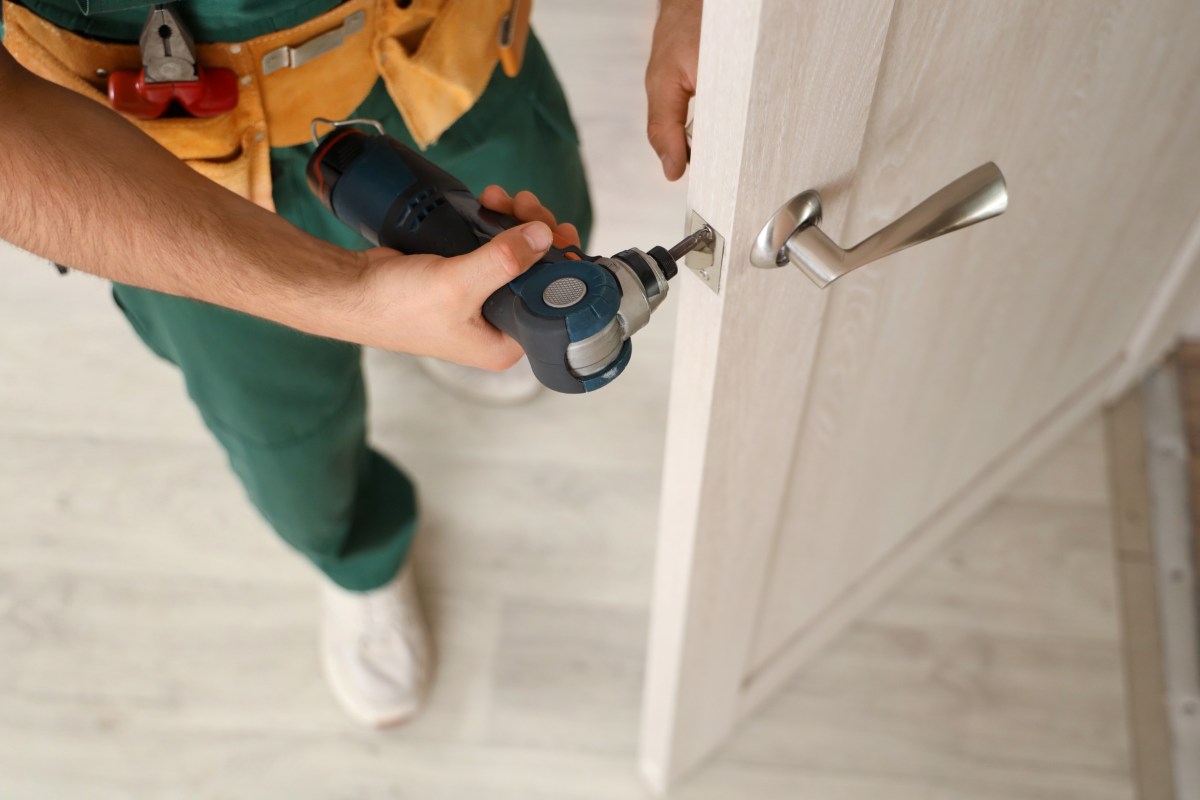
This is where many small installation jobs go wrong.
Poor drilling can leave chipped edges, crooked holes, or fixings that sit in the wrong place. Once that happens, it becomes much harder to get a clean result. Even good hardware can end up looking untidy.
Using the right drill bit, marking out properly, and taking your time makes a big difference. Rushing usually leads to extra repair work, especially on painted doors, veneered doors, or older timber where mistakes show easily.
Installation should feel controlled, not forced. The cleaner the preparation, the better the final fit.
Forgetting about the wider look of the door
As the practical fitting takes shape, another mistake appears: focusing only on the handle and forgetting the rest of the hardware around it.
Door hardware works as a set. Handles, hinges, locks, latches, and escutcheons all contribute to the final look. If the finish or style clashes, the door can feel pieced together rather than properly planned.
This matters even more in period homes or detailed interiors, where the hardware becomes part of the character of the room. Homeowners looking for solid brass door handles for period properties often want that sense of consistency across the full door set, not just the lever itself.
A good installation should leave the door looking balanced as well as working well.
Not checking handing and handle movement
Some handles are universal, but others are handed or work better in one direction than another.
If you do not check this before fitting, you can end up with a handle that feels awkward, points the wrong way, or does not return smoothly after use. This is especially common on certain lever designs and on doors where the opening direction matters.
The same applies to movement. Before finishing the job, always test the handle several times. Open the door, close it, turn the handle fully, and make sure the latch retracts and returns cleanly.
A door handle should not just look right when fitted. It should feel right every time it is used.
Skipping the final checks after installation
The last mistake is treating installation as finished the moment the screws go in.
A proper final check is what turns a basic fitting job into a good one. After installation, check that:
- The handle feels secure
- The latch moves smoothly
- The door closes properly
- The strike plate lines up well
- The finish has not been marked during fitting
- All visible fixings sit neatly
This final step matters because some problems only show once the door is opened and closed a few times. Catching them early is much easier than living with a poor fit or having to take everything apart again later.
Why careful installation makes such a difference
When you look across all eight mistakes, the same idea keeps coming up. Door hardware is used every day, so small fitting errors do not stay small for long.
A badly installed handle can loosen, scrape, stick, or spoil the look of the door. A well-installed one feels solid, works smoothly, and suits the room properly. That is why care at each stage matters, from measuring and drilling to alignment and final checks.
In other words, good hardware deserves a good fitting job.
Final thoughts
Installing door hardware is not the hardest home improvement task, but it does reward care and patience. Most problems come from rushing, guessing measurements, or overlooking how the full door set works together.
If you avoid these common mistakes, your handles and locks are far more likely to feel secure, work properly, and look right for the space. The best result is not only a handle that fits the door. It is a door that feels right every time you use it.


