
Door hardware is easy to ignore until something starts going wrong. A handle feels loose, a latch sticks, or a lock stops working smoothly. These problems often begin as small annoyances, but they can quickly affect how a door looks, feels, and works every day.
That is why it helps to spot common problems early. Some issues can be fixed with a simple adjustment or a bit of maintenance. Others are signs that the hardware is worn out or not right for the door in the first place.
This guide looks at 10 of the most common door hardware problems, what usually causes them, and when it may be time to repair or replace the parts.
Loose door handles
One of the most common problems is a handle that starts to wobble.
This often happens over time with regular use. Screws can loosen, fixings can shift, and the handle may no longer sit firmly against the door. At first, it may seem like a small issue, but a loose handle can become more uncomfortable to use and may wear out faster if it keeps moving.
In some cases, tightening the fixings solves the problem. If the handle keeps working loose, it may be a sign that the internal parts are wearing out.
Stiff or hard-to-turn handles
A door handle should move easily. If it starts to feel stiff, heavy, or awkward to turn, something is not working as it should.
This can happen because of dirt, poor alignment, overtightened fixings, or internal wear. It can also happen when the latch case and handle are not a good match.
If a handle is hard to turn every day, the problem usually does not go away on its own. It often gets worse with time, so it is worth checking the cause early.
Latches that stick or catch
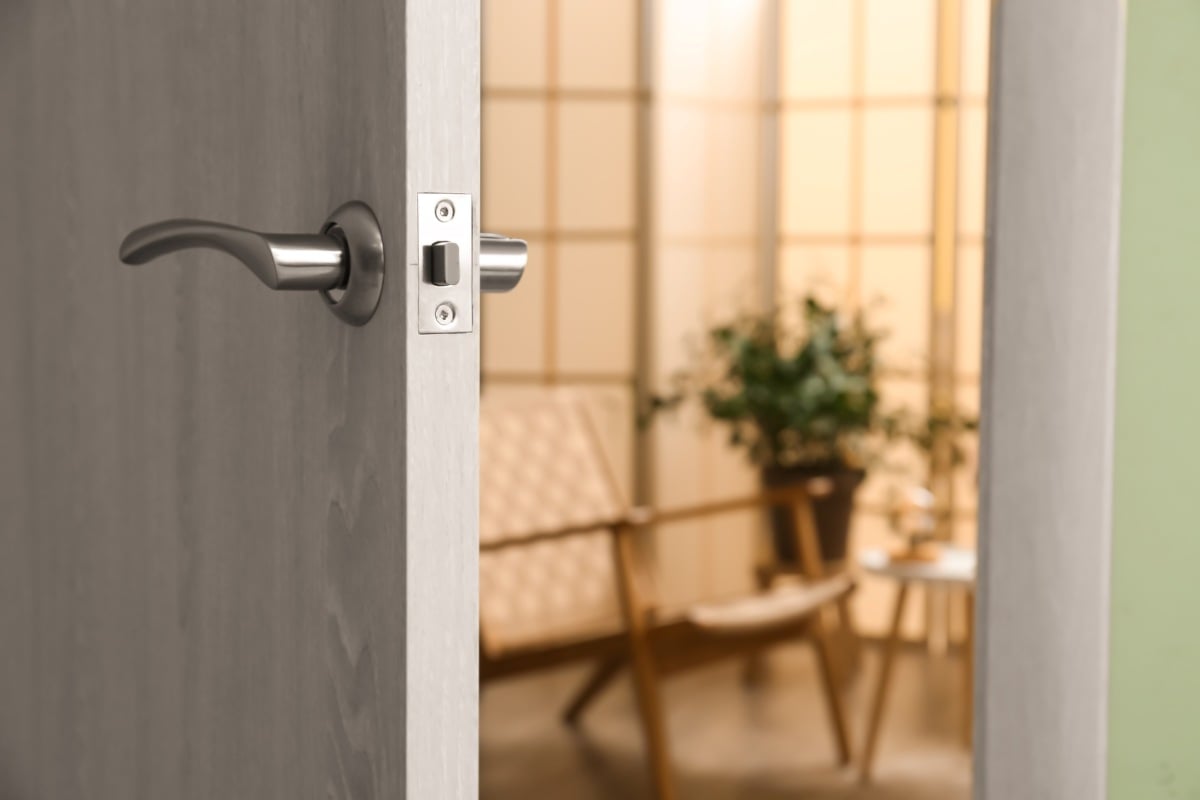
A sticking latch is another very common issue.
You may notice that the latch does not pull back smoothly, catches when closing, or fails to return properly after the handle is released. This can make the whole door feel awkward to use.
Sometimes the cause is inside the latch itself. In other cases, the issue is poor alignment between the door, the frame, and the strike plate. Either way, a sticking latch affects daily use and can put extra strain on the handle.
If you want to understand more about common door handle and lock problems, it helps to look at the latch and handle together rather than as separate parts.
Locks that feel stiff or unreliable
Locks should work smoothly and predictably. If a key becomes hard to turn, the lock jams, or the bolt does not move cleanly, that is a sign of trouble.
This may happen because of dirt inside the mechanism, poor alignment, wear, or the wrong pressure on the lock case. Seasonal movement in timber doors can also affect how well a lock lines up.
A stiff lock is not just annoying. It can also become a security and access problem if it gets worse.
Misaligned strike plates
Sometimes the handle and latch work well on the door itself, but the problem shows up when the door closes.
If the strike plate is slightly out of line, the latch may scrape, catch, or fail to click into place cleanly. This can make a good handle feel poor in daily use.
Misalignment often happens after rushed installation, movement in the door or frame, or repeated wear over time. Even small errors here can make the whole door feel badly fitted.
Sagging doors that affect hardware performance
Not every hardware problem starts with the handle or lock. Sometimes the real problem is the door itself.
If a door begins to sag, the latch, handle, and lock can all start to feel wrong. The door may rub against the frame, the latch may stop lining up, and the handle may feel harder to use.
This often points to hinge problems, loose fixings, or wear in the door frame. It is a good reminder that door hardware works as a full system, not as separate pieces.
Squeaky or worn hinges
Hinges do a lot of work, so they are often one of the first parts to show wear.
A squeak may only need lubrication, but that is not always the full story. If the hinges are rusting, bending, or wearing unevenly, the door may no longer hang properly. That can then cause other hardware issues as well.
When a hinge problem starts affecting door movement or alignment, it is usually worth dealing with it quickly before it creates bigger fitting problems elsewhere.
Worn finishes and visible damage
Not every door hardware problem is mechanical. Sometimes the issue is appearance.
Scratched finishes, tarnishing, flaking coatings, and visible dents can make the door look tired even if the handle still works. In modern interiors and period homes alike, worn hardware can affect the whole look of the room.
This is one reason many homeowners replace hardware before it fully fails. A fresh, better-made set can improve both the look and the feel of the door.
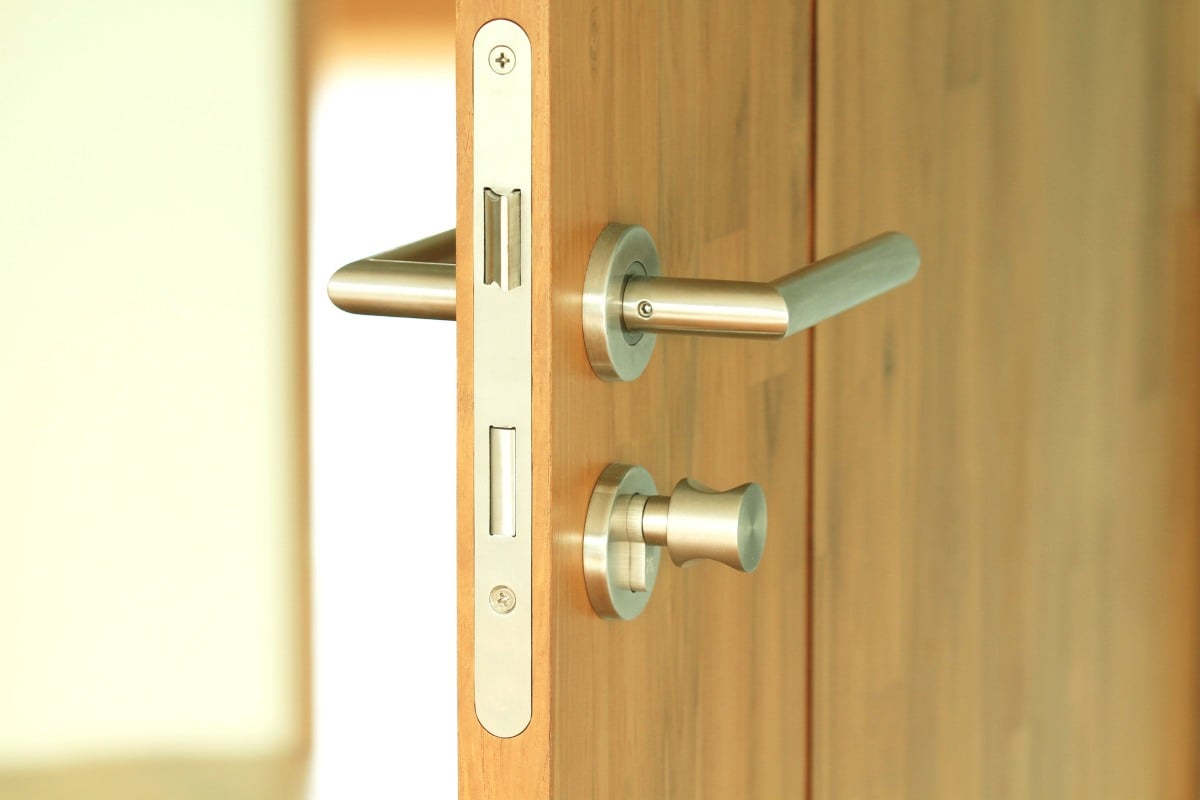
For example, people choosing door handles with integrated locks for privacy often want something that works well but also looks consistent with the rest of the space.
The wrong hardware for the door type
Some door problems begin with the choice of hardware, not the condition of it.
A light passage handle may not suit a busy bathroom or office door. A handle that looks good on one door may feel wrong on a heavier one. The same applies to locking setups. A door that needs privacy, security, or frequent use should have hardware designed for that job.
When the wrong type is fitted, the result can be stiffness, poor return, faster wear, or an awkward user experience.
Repeated small failures that keep coming back
One loose screw or one stiff latch is not unusual. But if the same problem keeps returning, it usually means there is a deeper issue.
Maybe the hardware is low quality. Maybe the internal spring is failing. Maybe the latch case and handle were never a good fit. Whatever the reason, repeated small failures are often a sign that repair is no longer the best answer.
At that point, replacement can make more sense than constant adjustment.
When repair is enough and when replacement makes more sense
Once you look across these 10 problems, a pattern becomes clear. Some issues are simple maintenance jobs. Tightening screws, adjusting alignment, or lubricating the right part can solve a lot.
But there are times when replacement is the smarter choice. If the hardware keeps loosening, feels poor every day, no longer matches the door’s use, or looks badly worn, replacing it often gives a better long-term result.
The goal is not only to make the door usable again. It is to make it work smoothly, feel solid, and suit the room properly.
Final thoughts
Door hardware problems are common, but they are easier to manage when you know what to look for. Loose handles, sticking latches, stiff locks, worn hinges, and poor alignment can all make a door feel worse than it should.
The good news is that many of these issues are easy to spot early. If you deal with them in time, you can often avoid more serious wear, extra repair work, or daily frustration. And when the hardware has reached the end of its useful life, replacing it with a better-matched option can make a noticeable difference to both function and finish.


