




Monthly Archives: November 2025
-
- November 21, 2025
Whether door handles and hinges should match is one of the most common questions homeowners and designers ask. It makes sense: hardware sits right at eye level, gets handled constantly, and plays a significant part in how a door looks once installed. When the finishes or styles conflict, the door never feels fully considered. But matching doesn’t always mean identical. The goal is cohesion, not strict uniformity. The right approach depends on the door type, the interior style, and how visible the hinges are in day-to-day use.
When Matching Makes the Most Sense
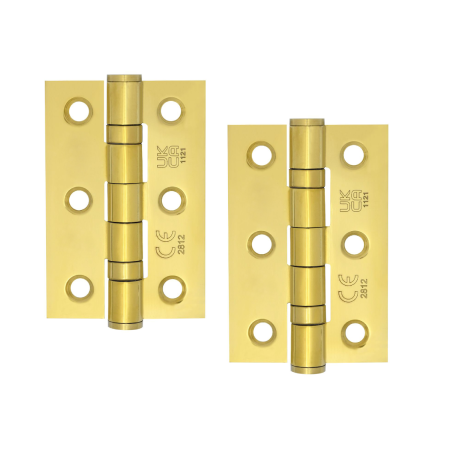
On doors where the hinges are visible, matching them to the handle’s finish usually creates the cleanest result. If a polished brass handle is paired with cool-toned steel hinges, the contrast is immediate and often distracting. Visible hinges sit close enough to the handle that mismatches feel unintentional rather than designed. In period properties, where traditional doors often feature exposed hinges, matching finishes helps maintain
-
- November 19, 2025
Hardware plays a bigger role in defining a home’s character than most people expect. It guides the eye, influences the feel of each room, and provides subtle cues about the direction of the design. Choosing between modern and traditional hardware isn’t just about preference; it’s about understanding what works with the architecture, the doors, and the way the space functions every day. Hardware needs to look right, feel right, and perform consistently. The right style supports all of that without drawing unnecessary attention.
Understanding What Counts as Modern Hardware
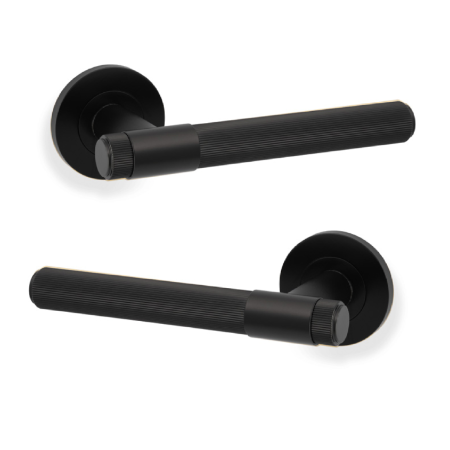
Modern hardware is defined by clean lines, minimal decoration, and a more refined silhouette. Shapes are usually linear or gently curved, and the emphasis is on a streamlined profile that suits contemporary architecture. Finishes like matte black, satin nickel, and stainless steel sit naturally within this style because they offer a calm, consistent appearance. Modern hardware works well on flush doors, simple panel designs,
-
- November 17, 2025
Brass has never really disappeared from interior design; it simply moves between centre stage and supporting role depending on the era. Its appeal isn’t based on trend cycles but on the qualities that have made it a dependable choice for centuries: warmth, durability, and an ability to sit comfortably in almost any style of home. When people choose brass today, they’re not buying into a moment. They’re choosing a finish that holds its place long after other materials lose their relevance.
The Visual Warmth That Brass Brings
Brass has a natural warmth that other metals struggle to match. Even brushed or satin versions carry a depth that immediately softens a room. In traditional properties, brass feels familiar and grounded. In modern spaces, it creates balance by adding an understated richness that stops the room from feeling too cold or clinical. Light interacts with brass in a distinctive way as well. Unlike chrome or stainless steel, which reflect sharply, brass diffuses light with a
-
- November 14, 2025
The choice between door knobs and door handles seems simple, but it has a meaningful effect on how a room performs and how the home feels as a whole. Both options have strengths, and both suit different types of doors, interior styles, and practical needs. The right decision comes from understanding how each functions, how they fit into the architecture, and whether they align with the way the home is actually used.
Understanding the Practical Differences
Door handles, particularly levers, offer easier operation. They require less grip strength, they’re more accessible for children and older adults, and they tend to provide smoother, quicker movement. A lever allows the door to open with a simple press, which is why they’re often used in busy or high-traffic areas. Door knobs demand a turning motion. It’s a smaller movement, but it requires more precision. Some designs can be difficult to grip if hands are wet or if the knob has a highly polished surface. This doesn’t make knobs impractical,
-
- November 12, 2025
Choosing a door handle seems straightforward until you’re comparing dozens of shapes, finishes, mechanisms, and price points. The handle that looks fine on a product page can feel completely different once fitted, and that’s usually where people notice the mistakes they didn’t realise they’d made. Because hardware isn’t just decorative - it’s a daily touchpoint. It affects how a door performs, how the room feels, and how cohesive the home appears overall. Understanding the common pitfalls helps avoid the frustration of replacements, returns, and mismatched finishes later on.
Overlooking the Style of the Property
The biggest issue people run into is choosing a handle that has no relationship to the building’s overall style. Modern, angular levers rarely sit comfortably in a period property. Likewise, a traditional round knob looks out of place in a contemporary setting. The handle should work with the architecture, the doors, and the surrounding finishes. It doesn’t need to match every detail,
-
- November 10, 2025
People spend a lot of time choosing paint colours, flooring, even light switches, but door hardware often gets pushed to the bottom of the list. It shouldn’t. A handle is the first physical interaction someone has with a room, and it quietly sets the tone before anything else has a chance to speak. When hardware clashes with the interior, the whole space feels slightly wrong - even if the homeowner can’t explain why. A dated chrome lever in an otherwise carefully restored Victorian hallway, for example, can break the entire flow of the space. That’s the power of small details. They don’t shout, but they change everything.
How Hardware Shapes the Mood of a Room
Different finishes and forms bring different energy into a space. Brass instantly adds warmth, depth and a touch of familiarity. Black hardware leans modern, sharp, and minimal. Satin nickel and stainless steel tend to sit somewhere in between - clean, understated, functional. People respond to these signals instinctively. They don’t