




Modern vs Traditional Hardware: Which Style is Right for You?

Hardware plays a bigger role in defining a home’s character than most people expect. It guides the eye, influences the feel of each room, and provides subtle cues about the direction of the design. Choosing between modern and traditional hardware isn’t just about preference; it’s about understanding what works with the architecture, the doors, and the way the space functions every day. Hardware needs to look right, feel right, and perform consistently. The right style supports all of that without drawing unnecessary attention.
Understanding What Counts as Modern Hardware
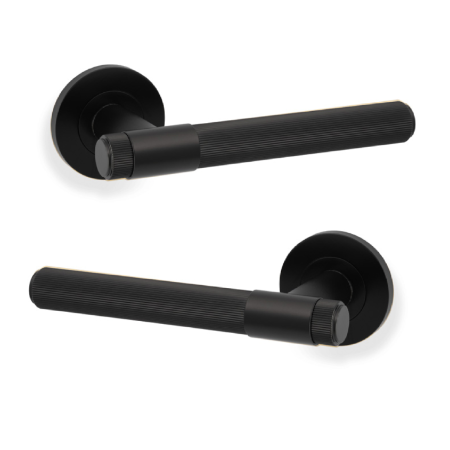
Modern hardware is defined by clean lines, minimal decoration, and a more refined silhouette. Shapes are usually linear or gently curved, and the emphasis is on a streamlined profile that suits contemporary architecture. Finishes like matte black, satin nickel, and stainless steel sit naturally within this style because they offer a calm, consistent appearance. Modern hardware works well on flush doors, simple panel designs, and spaces where the goal is clarity rather than ornamentation. It feels intentional in homes with open layouts, neutral tones, and minimal detailing.
What Makes Traditional Hardware Distinct
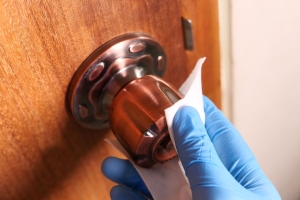
Traditional hardware carries more visual detail. This doesn’t mean ornate or overly decorative; it means the shapes acknowledge classic joinery and historical interior styles. You’ll see rounded forms, softened edges, and profiles that complement period properties. Brass is one of the most reliable finishes here, not only for its warmth but also because it naturally suits traditional doors, panel layouts, and original architectural features. If your home has heritage elements, original skirting, or traditional mouldings, traditional hardware tends to sit more comfortably in the space- our warm-toned hardware for classic interiors align particularly well in these settings.
Matching Hardware to the Architecture of the Property
The architecture usually offers the clearest direction. Modern homes with clean structural lines and minimal ornamentation almost always favour contemporary hardware. On the other hand, Victorian, Edwardian, and Georgian homes often feel most coherent when the hardware reflects some of the property’s history. A traditional door with deep paneling rarely pairs naturally with sharp modern levers, while a sleek interior door in a new-build often looks misplaced with a heritage-style knob. Following the architecture doesn’t limit creativity; it simply creates cohesion.
How Door Style Influences the Decision
A flush, unprofiled door suits a modern handle because both share a simplicity of form. Panelled doors—especially those with symmetrical layouts—tend to work better with classic shapes. Even when the overall interior takes a modern direction, the door profile can shift the decision. If you’re keeping original doors in a renovation, traditional hardware might remain the better match. If you’re replacing with new, clean-lined doors, modern hardware will naturally integrate more smoothly.
Practical Differences to Consider

Beyond style, function plays a role. Modern handles often offer smoother, more ergonomic operation because of their streamlined design. Traditional hardware, especially knobs, requires more grip and precision. For high-traffic rooms or homes where accessibility is a priority, modern levers are usually the more practical option. In quieter spaces such as studies, guest rooms, or formal rooms, traditional knobs can provide the right balance of usability and aesthetic alignment. The key is to consider how each door is used rather than making one decision for the entire home.
Using Finish to Guide the Style
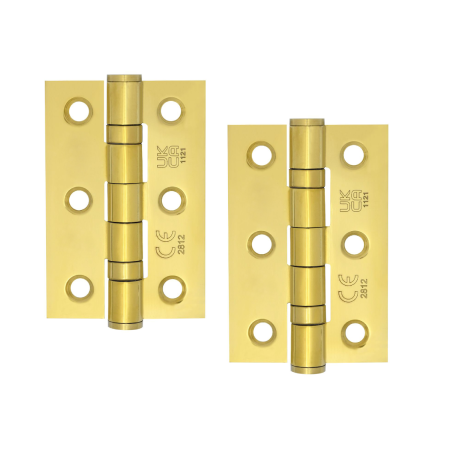
Finish can bridge the gap between modern and traditional. Satin brass, for example, works in both directions. In a modern home, it adds warmth without compromising the clean lines. In a traditional home, it reinforces the classic character. Black finishes lean modern, especially in homes with pale walls and minimal joinery. Polished brass feels distinctly traditional. Brushed or antique-style finishes create a more aged, grounded appearance. Choosing finish with intention makes the overall design feel unified, even when combining modern and traditional elements.
When a Hybrid Approach Works Best
Some interiors sit between modern and traditional. These spaces benefit from a transitional approach, where hardware carries subtle references to both styles. A lever with a softened profile in a warm finish can work in a home that mixes contemporary furniture with original architectural details. This is often the most adaptable route for renovations where not every element is being replaced. In these cases, the aim isn’t to choose one style rigidly but to ensure the hardware reinforces the overall direction of the interior.
Why Choose Brass Works
At Brass Works, we prioritise balance between performance, durability, and aesthetic compatibility. Our range covers both modern and traditional styles, allowing you to select hardware that aligns with the property’s architecture and your long-term design plans. We focus on quality manufacturing, reliable mechanisms, and finishes that remain consistent over time. Whether you’re updating a single room or coordinating hardware across an entire home, we provide clear guidance to help you make informed decisions that support both function and design integrity.
Deciding Which Style Is Right for You
Choosing between modern and traditional hardware comes down to three things: the architecture, the door design, and how the space is used. Modern handles offer simplicity and practicality; traditional hardware provides warmth and a sense of continuity in period homes. Both can work extremely well when chosen with intention. If you’re refining a modern interior, darker or brushed finishes deliver clean definition. If you’re working with a period property, warm brass and classic profiles will feel the most cohesive. And if your home sits somewhere in between, a transitional approach can provide the best long-term fit. At Brass Works, we offer a curated selection designed to help you make a confident, well-informed choice that supports both your interior style and the practical demands of everyday use.