




How to Fix a Stiff Door Handle: A Step-by-Step Guide
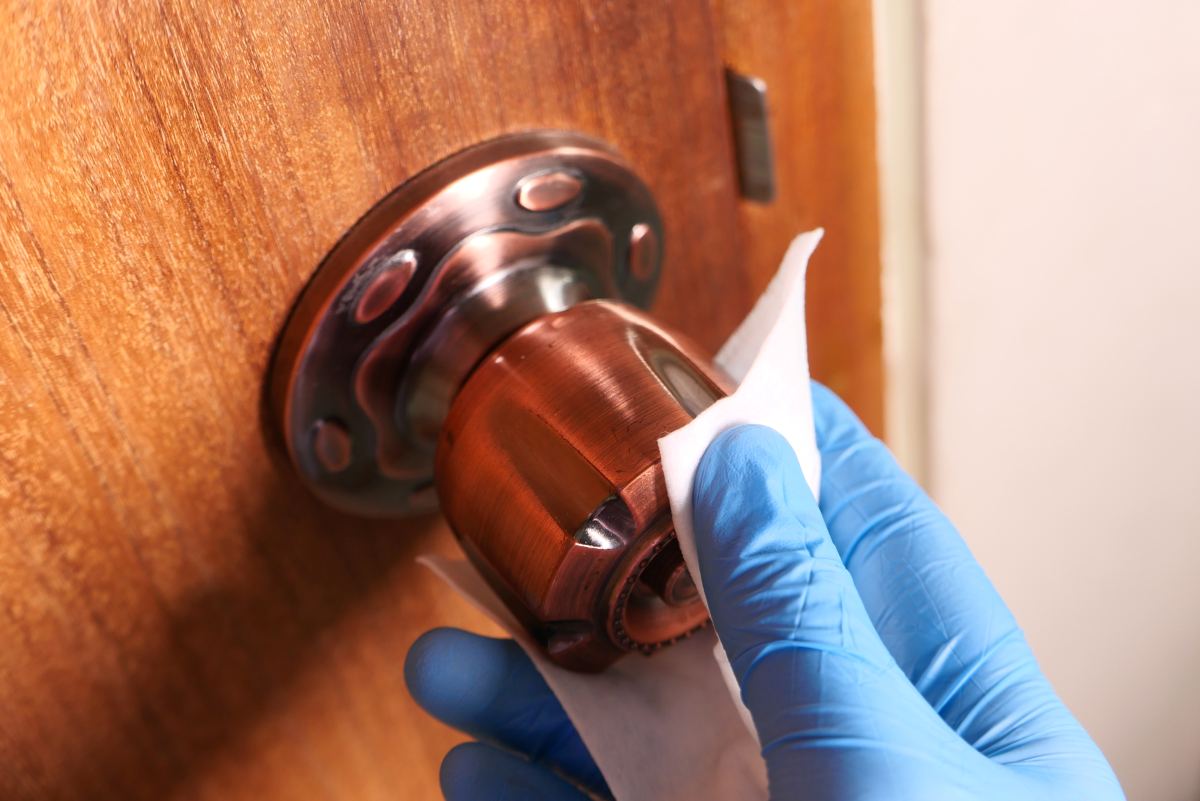
Stiffness in a door handle starts gradually. The lever needs slightly more pressure than it used to. The return feels sluggish. There is a faint resistance halfway through the travel that was not there last year.
You compensate without thinking about it, pressing harder, until one day the handle stops cooperating entirely and you realise you have been working around the problem for months.
The good news is that almost all stiff handles can be fixed in under an hour with basic tools. The cause is usually one of four things, and each has a specific intervention. Diagnosis is the harder part; once you know what is actually causing the stiffness, the fix is mechanical and straightforward.
What Causes A Door Handle To Become Stiff?
Friction, in one form or another. The handle's job is to translate a small downward push of the lever into the linear movement of the latch tongue, and any friction added to that mechanical chain shows up as stiffness at the lever.
Dirt And Old Lubricant
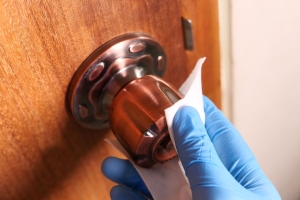
Dirt and dried lubricant are the most common cause. Over years of use, dust, skin oils, and old lubricant build up around the spindle, inside the latch case, and at the contact points between the latch tongue and strike plate. The accumulated grime restricts the movement that should be free.
Misalignment
If the door has dropped on its hinges, or the frame has shifted, the latch tongue may be catching slightly on the strike plate every time the door operates. The handle feels stiff because it is fighting friction at the latch, not at the handle itself.
Internal Wear
Springs lose tension unevenly, bushings inside the rose develop flat spots, and spindle holes become slightly oval. Each individual change is small; cumulatively they add resistance.
Corrosion
Most common in handles fitted to bathrooms, kitchens, external doors, or any humid or unheated room. Steel components rust subtly, brass mechanisms tarnish, and the smooth metal-on-metal contact that should exist becomes a gritty drag.
How Do You Diagnose Where The Stiffness Is Coming From?
Remove the handles from both sides of the door. Most are held on by either two visible screws through the rose or by a hidden grub screw beneath the rose that releases a snap-on cover. Once both handles are off, you should see the spindle passing through the door and into the latch case.
Test The Latch In Isolation
Operate the latch directly using a screwdriver inserted into the spindle hole, twisting it in the direction the handle would turn. If the latch retracts smoothly, the problem is in the handles or the spindle. If the latch retracts stiffly, the problem is inside the latch case.
Check The Spindle
The spindle should slide freely in and out of the latch case. If it sticks or feels gritty, the spindle bore in the latch is contaminated.
Hold the spindle up to the light and inspect the corners; they should be sharp and square. Rounded corners mean the spindle has worn and is creating play that translates into stiffness.
Test The Handles Alone
Refit the handles temporarily with the spindle removed. The lever should rotate freely with no resistance. Any stiffness here means the issue is inside the handle's rose mechanism.
This three-step diagnostic narrows the problem to one of three locations: the latch case, the spindle, or the handle rose. Each has a different fix.
How Do You Clean And Lubricate A Stiff Latch?
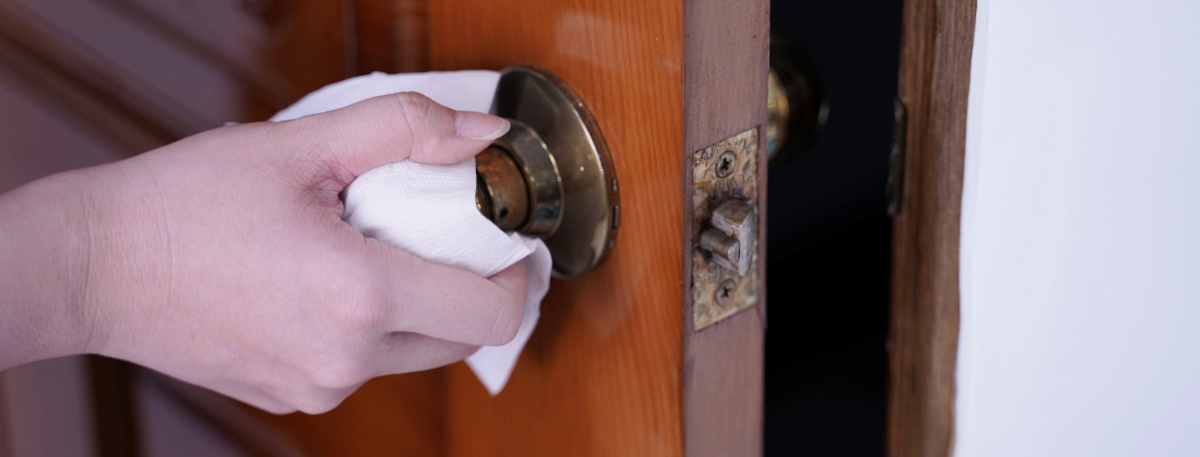
If the latch is the source, this is the most common scenario and the easiest fix.
Remove And Inspect
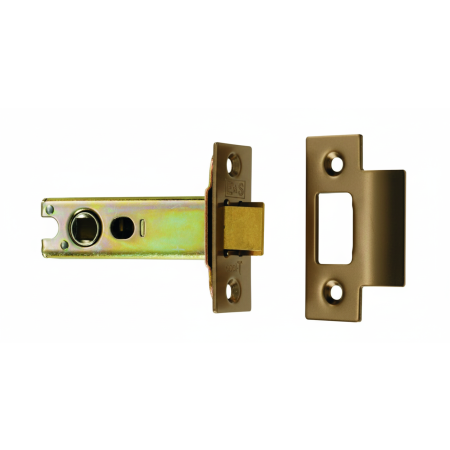
Remove the latch from the door by undoing the two screws on the door edge that hold the faceplate. Pull the latch out as a single unit. Inspect it: dust and dried lubricant will be visible on the moving parts, and the spindle bore may have gritty residue inside.
Clean Thoroughly
Spray the entire latch with a degreaser like WD-40 or a dedicated lock cleaner, working the latch tongue in and out repeatedly to flush out the contamination. Wipe down with a clean rag.
Lubricate Properly
Spray with a proper lock lubricant (graphite powder or a PTFE-based dry lube is ideal, since wet lubricants attract dust over time). Work the mechanism again to distribute the lubricant evenly.
Refit the latch and test before reinstalling the handles. If the stiffness is gone, the job is done. If it remains, the latch itself is worn beyond cleaning and needs replacement; replacement latches are inexpensive and fit in standard door cutouts.
How Do You Fix Stiffness In The Handle Itself?
If the diagnostic pointed to the rose mechanism, the fix depends on the quality of the handle. Solid brass and quality stainless handles allow the spring cassette to be replaced; lower-grade handles often do not.
Open Up The Rose
Remove the rose cover and inspect the internal mechanism. Old grease will look dark and gritty; springs may have visible corrosion or fatigue.
Clean the entire mechanism with degreaser, work the lever a few times to flush out residue, then apply a small amount of light machine oil to the spindle bushings and spring contact points.
Replace Worn Components
If the springs themselves are weakened or damaged, replacement spring cassettes are available from specialist ironmongers for a few pounds. Match the size and type to your handle (most British handles use a standard 8mm square spindle and a corresponding cassette format).
For handles that have no serviceable internal mechanism, replacement is the only option. This is usually a sign that the handle was budget hardware to begin with, and fitting like-for-like will produce the same problem in a few years.
What Should You Do About Misalignment?
Misalignment requires fixing the door, not the handle. Open the door slowly and watch the latch tongue enter the strike plate. If you can see it scraping or catching, the alignment is off.
Adjusting The Strike Plate
The fix is usually adjusting the strike plate. Mark where the latch is actually hitting, remove the strike plate, elongate the relevant edge of the cutout with a needle file by a millimetre or two, and refit. The latch should now enter cleanly.
Addressing The Hinges
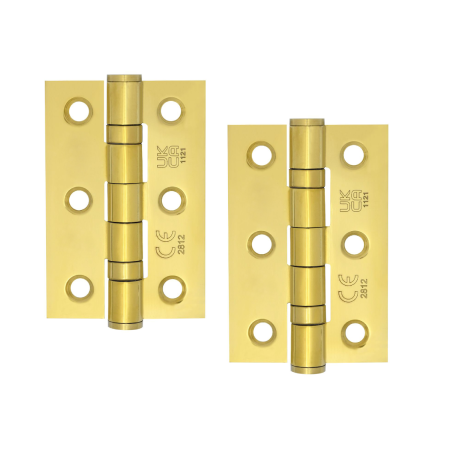
If the door has dropped significantly on its hinges, addressing the hinges directly is the proper fix. Loose hinge screws can be replaced with longer ones that bite into solid timber behind the frame, or shimmed with thin packers to lift the door back to position.
These are among the most standard approaches to fixing common door handle issues, and these should resolve the majority of stiffness complaints without replacing any hardware.
When Is Replacement The Right Call?
Replacement is the answer when the handle's base material has failed (cracked die casting, irreversible corrosion), when the internal mechanism is not designed to be serviced, or when the finish is degraded to a point where you no longer want to keep the handle anyway.
Replacement is also worth considering when the existing hardware is genuinely poor quality and the stiffness is the latest in a series of issues. Putting another budget handle in its place buys you another five years of the same problem.
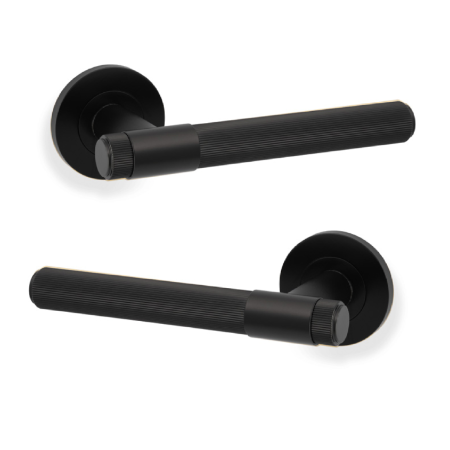
And if you want to build something that will last, our modern black handle styles for interiors include solid brass options with matte black finishes that combine contemporary aesthetics with the kind of internal engineering that prevents stiffness developing in the first place.