




Monthly Archives: December 2025
-
- December 22, 2025
Home security isn't about creating a fortress. It's about making your property less appealing to opportunistic criminals whilst maintaining a home that's actually pleasant to live in. Most break-ins exploit obvious vulnerabilities rather than sophisticated methods, which means straightforward improvements create meaningful protection.
Upgrade Your Door Locks
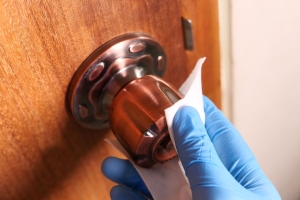
Door locks are your primary defence, and many homes still have inadequate hardware installed by builders decades ago. Cylinder locks on UPVC doors can be vulnerable to snapping - a technique that takes seconds with basic tools.
Anti-snap cylinders resist this attack method through reinforced construction and sacrificial sections that break away without compromising the lock mechanism. They cost marginally more than standard cylinders but provide substantially better security.
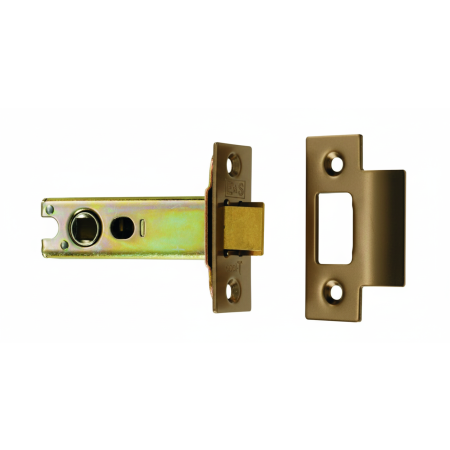
Deadbolts on timber doors should throw at least 25mm into the frame. Shorter throws can be forced with moderate pressure. The strike plate - the metal plate on
-
- December 18, 2025
Doors do more than provide privacy and security. They shape how spaces flow, how light moves through your home, and how each room connects to the next. The door type you choose affects both practical function and visual impact, and the options extend well beyond standard hinged panels.
Panel Doors
Panel doors remain the most common choice for good reason. They consist of vertical stiles and horizontal rails that frame individual panels - typically four or six. The panels sit within the frame, allowing the wood to expand and contract with humidity changes without warping the door.
Traditional panel doors suit period properties and classic interiors. The depth and shadow lines created by raised panels add architectural detail that flat doors can't match. Flat panel versions work in more contemporary settings whilst maintaining the structural benefits of the panel-and-frame construction.
Quality shows in how the panels are constructed. Better doors use solid wood panels rather than MDF or
-
- December 15, 2025
Expensive-looking interiors don't require expensive budgets. The perception of quality comes from specific choices that have little correlation with actual cost. Understanding which elements create this impression lets you achieve a refined aesthetic without proportional spending.
Simplify and Edit Ruthlessly
Clutter kills any sense of luxury instantly. High-end homes feel spacious because they contain only what's necessary or genuinely valued. This isn't about embracing minimalism as a lifestyle - it's about intentional curation.
Go through each room and remove decorative items that don't serve a clear purpose. Your surfaces need breathing room. Every piece on display should actually merit the visual attention it receives. When twenty objects compete for space on a shelf, none of them look valuable.
Storage that conceals everyday necessities maintains this edited appearance. Visible storage isn't inherently problematic, but it should look deliberate rather than improvised. Built-in solutions
-
- December 12, 2025
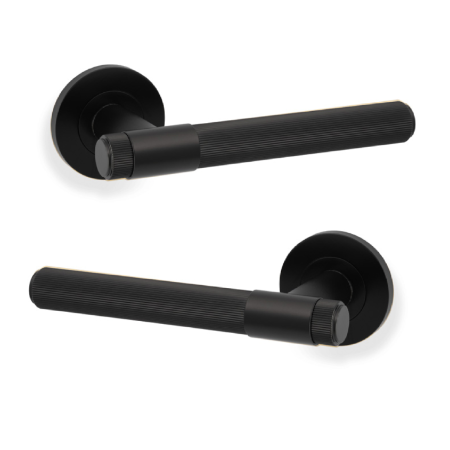
Your hand reaches for a door handle maybe fifty times a day. You don't think about it. The handle just works, or it doesn't.
When it doesn't work well, you notice immediately. Your wrist bends at an odd angle. The grip feels wrong. You need two hands when one should do the job. But when a handle's designed properly? You never give it a second thought.
That's ergonomics working exactly as it should.
Grip Diameter and Hand Anatomy
Human hands aren't all that different in their basic structure. Most adults can comfortably grip something between 30mm and 40mm in diameter. Go thinner and you're putting pressure on a smaller contact area - your fingers start to hurt. Go thicker and your fingers can't wrap properly, which means you lose mechanical advantage.
Lever handles beat knobs for a simple reason: you can operate them without needing a proper grip. Push down with your elbow when your hands are full of shopping bags. Use a closed fist when arthritis makes gripping painful. The lever doesn't
-
- December 10, 2025
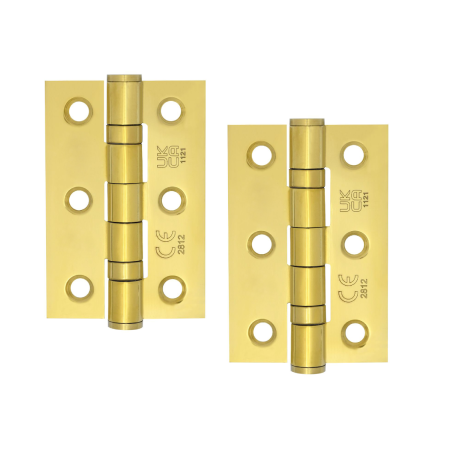
Bi-fold doors present specific hardware challenges that standard door fittings simply don't address. The folding mechanism, weight distribution, and frequent operation all demand careful component selection. Getting it wrong means premature wear, alignment issues, and compromised security.
Understand the Weight Load Requirements
Bi-fold door panels carry substantial weight, particularly in larger installations with multiple panels. The track system and hinges must support this load through thousands of opening and closing cycles. Undersized hardware leads to sagging panels and binding mechanisms.
Calculate the combined weight of all panels before selecting components. Manufacturers specify weight ratings for tracks, pivots, and hinges. These ratings aren't suggestions - they're structural requirements. Exceeding them shortens hardware lifespan dramatically and creates safety concerns.
Larger bi-fold installations often require commercial-grade hardware even in residential settings. The
-
- December 08, 2025
Brass comes in two fundamentally different forms, and the choice between them affects how your hardware looks for the next decade. One stays locked in time, the other evolves constantly. Neither is objectively better, but they behave completely differently in practice.
The split comes down to a thin protective coating - or the deliberate absence of one.
What Lacquered Brass Actually Does
Lacquered brass gets sealed with a transparent protective layer straight after manufacturing. This coating sits between the metal and everything else - air, moisture, the oils from your hands every time you touch it.
The result is brass that looks on year ten exactly how it looked on day one. That bright, polished gold finish stays consistent because the lacquer prevents oxidation entirely. It's brass in suspended animation.
For years this was the default choice. People wanted their durable hardware pieces built to last to also remain pristine. No darkening, no patina developing over time, no variation