




The Science Behind Ergonomic Door Handle Design
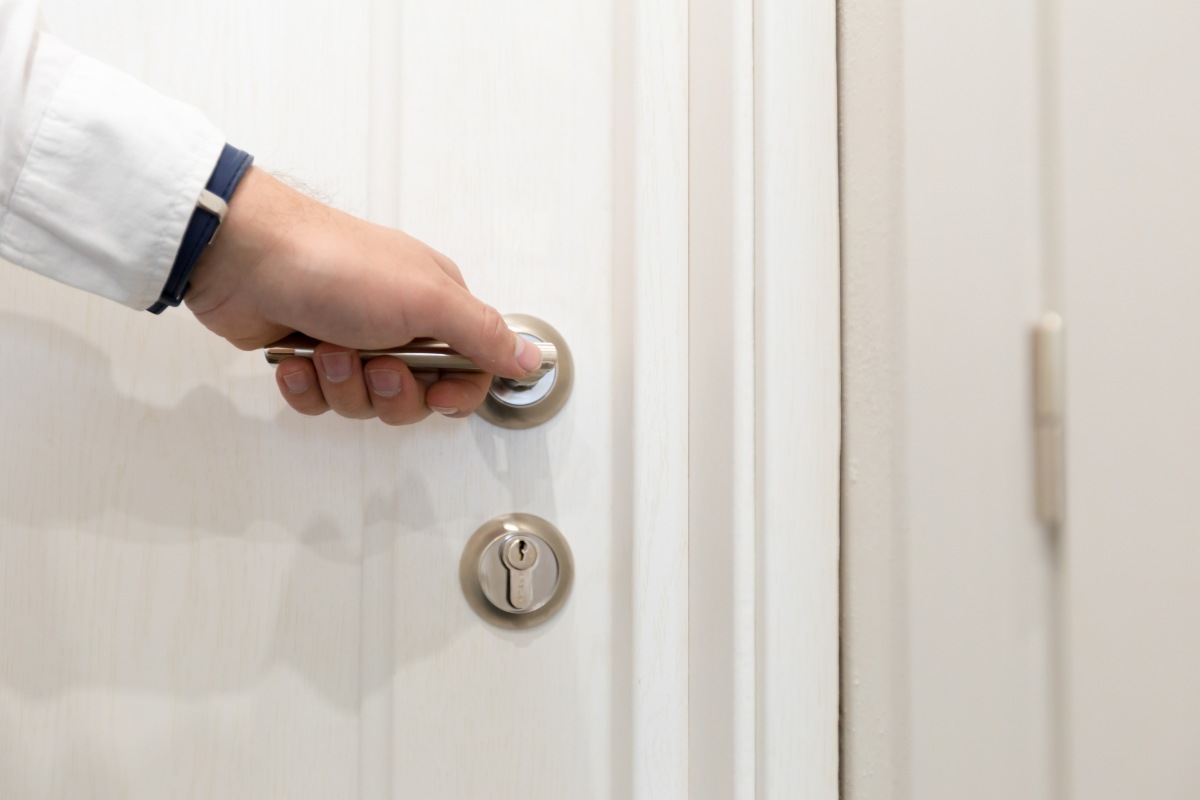
Your hand reaches for a door handle maybe fifty times a day. You don't think about it. The handle just works, or it doesn't.
When it doesn't work well, you notice immediately. Your wrist bends at an odd angle. The grip feels wrong. You need two hands when one should do the job. But when a handle's designed properly? You never give it a second thought.
That's ergonomics working exactly as it should.
Grip Diameter and Hand Anatomy
Human hands aren't all that different in their basic structure. Most adults can comfortably grip something between 30mm and 40mm in diameter. Go thinner and you're putting pressure on a smaller contact area - your fingers start to hurt. Go thicker and your fingers can't wrap properly, which means you lose mechanical advantage.
Lever handles beat knobs for a simple reason: you can operate them without needing a proper grip. Push down with your elbow when your hands are full of shopping bags. Use a closed fist when arthritis makes gripping painful. The lever doesn't care how you approach it.
Length matters too. A longer lever gives you more force with less effort, basic physics. But make it too long and you've got a handle that catches on everything - clothing, bags, the edge of furniture as you're manoeuvring past. There's a sweet spot, and it's narrower than you'd think.
Force Application and Mechanical Advantage
Every time you push down on a handle, you're compressing a spring and retracting a latch. The spring needs enough tension to return the handle to horizontal, but not so much that opening the door becomes an upper body workout.
The angle of the handle changes how comfortable it feels in use. Slightly downward from horizontal works best because that's where your wrist naturally sits when you're also pushing the door open. Perfectly horizontal handles force your wrist into slight extension - not painful exactly, but not quite right either.
Some handles spring back aggressively, almost jumping out of your hand. Others barely have the strength to return to position and end up drooping over time. Quality hardware gets this balance right, matching the spring tension to the handle's weight and the intended use.
Surface Texture and Friction
Polished brass looks gorgeous. It also gets slippery when your hands are damp or you're carrying something awkward and can't get a proper grip.
Textured surfaces help, but too much texture and the handle becomes uncomfortable to use regularly. Brushed or satin finishes split the difference - enough friction to prevent slipping, not so much that it feels rough against your palm. They hide fingerprints better too, which matters more than people admit.
Metal conducts temperature efficiently, which sounds neutral until you grab a door handle that's been sitting in winter sunshine. Cold in January, uncomfortably warm by July. Materials with lower thermal conductivity, or handles with insulated sections, feel more consistent year-round.
Visual Feedback and Operational Clarity
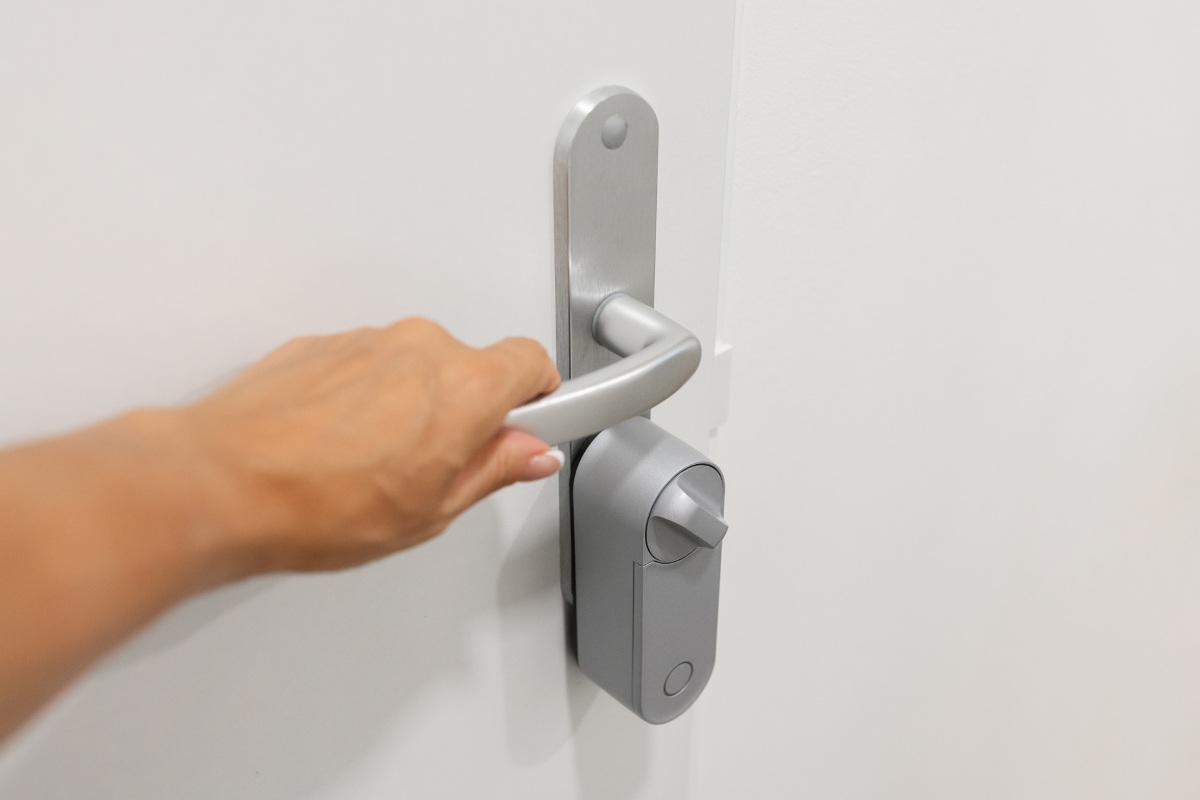
You should be able to look at a handle and know immediately how it works. Levers make this easy - the extended arm practically shows you what to do. Complicated designs create hesitation. You stand there for half a second trying to work out whether to push, pull, twist, or lift.
The handle's appearance should match its function. A delicate-looking handle that needs significant force to operate feels wrong. You expect it to move easily because it looks lightweight, and when it doesn't, there's a disconnect that's weirdly unsettling.
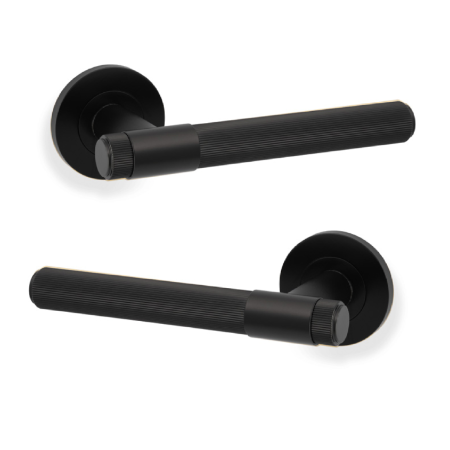
Contrast helps too. A black handle on a white door tells you exactly where to reach, which matters particularly for people with reduced vision. Our elegant hardware suited for minimalist interiors often uses this principle - the definition comes from contrast, not ornate detailing.
Mounting Height and Reach Considerations
Standard handle height sits between 900mm and 1100mm from the floor. This works for most standing adults and remains accessible to wheelchair users. Mount handles outside this range and you've immediately excluded a chunk of your potential users.
How far the handle projects from the door matters too. Project too far and you're creating a collision hazard, reducing the effective width of the passage. Not far enough and there's no space to get a proper grip, particularly when you're approaching at an angle rather than square-on.
Heavy doors need handles positioned to give you leverage whilst letting you throw your body weight into the push. Get the height wrong and you're fighting the door's weight instead of using it.
Addressing Common Operational Issues
Most common door handle issues trace back to design problems rather than mechanical failure. Handles that force your wrist into uncomfortable positions put stress on the internal mechanisms. Over time, this misaligned force wears components unevenly.
A properly designed ergonomic handle distributes force efficiently. The mechanism lasts longer because the load is spread correctly. The door operates smoothly because users aren't having to compensate for awkward angles or insufficient leverage.
Long-Term Comfort in High-Traffic Applications
In commercial buildings or busy family homes, handles get operated hundreds of times daily. Poor ergonomics creates cumulative strain. Your wrist aches by the end of the day, though you can't quite identify why.
Handles designed for high-frequency use tend to have longer levers, moderate spring tension, and finishes that don't show wear patterns quickly. These aren't just comfort features - they're durability considerations. The ergonomic factors that make a handle comfortable for individual use also extend its working life under heavy traffic.
Good ergonomic design is invisible. When a door handle works properly, you use it without thinking. That unconscious ease is what we're aiming for - hardware that simply does its job whilst you get on with yours.