




Choosing Hardware for Bi-Fold Doors: 6 Tips from the Experts
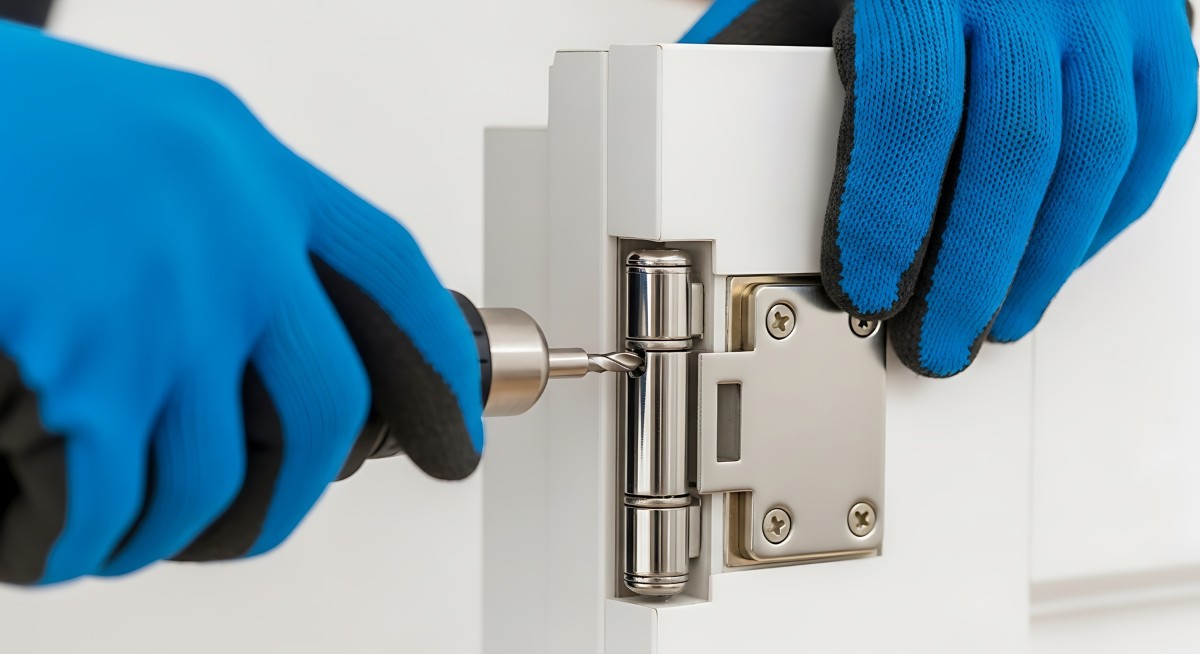
Bi-fold doors present specific hardware challenges that standard door fittings simply don't address. The folding mechanism, weight distribution, and frequent operation all demand careful component selection. Getting it wrong means premature wear, alignment issues, and compromised security.
Understand the Weight Load Requirements
Bi-fold door panels carry substantial weight, particularly in larger installations with multiple panels. The track system and hinges must support this load through thousands of opening and closing cycles. Undersized hardware leads to sagging panels and binding mechanisms.
Calculate the combined weight of all panels before selecting components. Manufacturers specify weight ratings for tracks, pivots, and hinges. These ratings aren't suggestions - they're structural requirements. Exceeding them shortens hardware lifespan dramatically and creates safety concerns.
Larger bi-fold installations often require commercial-grade hardware even in residential settings. The domestic-rated components that work perfectly for standard doors may not withstand the mechanical stress of multi-panel folding systems.
Prioritise Track Quality and Material
The track bears the operational burden of the entire door system. Aluminium tracks offer adequate performance for lighter installations, whilst steel tracks provide superior strength for heavier configurations. Surface-mounted tracks simplify installation but sit proud of the floor. Recessed tracks create a flush threshold but demand more complex fitting.
Track condition directly affects how smoothly the doors operate. Any imperfection in the track surface translates into catching, sticking, or uneven panel movement. Quality tracks maintain dimensional stability under load and resist deformation from repeated use.
Consider threshold weather sealing as well. External bi-fold doors need tracks that accommodate weatherstripping without compromising the folding action. This requires precise tolerances between the track profile and the door bottom.
Select Appropriate Hinge Systems
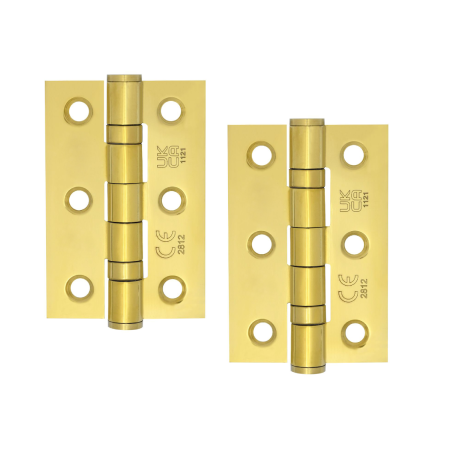
Standard butt hinges don't work for bi-fold applications. These doors require specialised pivot hinges designed for the folding motion and weight transfer. The pivot point location affects how the panels stack when open.
Top and bottom pivot hinges must align precisely. Misalignment causes binding and puts stress on both the hinges and the door panels themselves. Installation tolerances are tighter than with conventional doors.
Some systems use continuous hinges along the full panel height. These distribute weight more evenly and reduce stress concentration at individual pivot points. They cost more initially but often prove more durable in high-use installations.
Consider Handle and Lock Placement
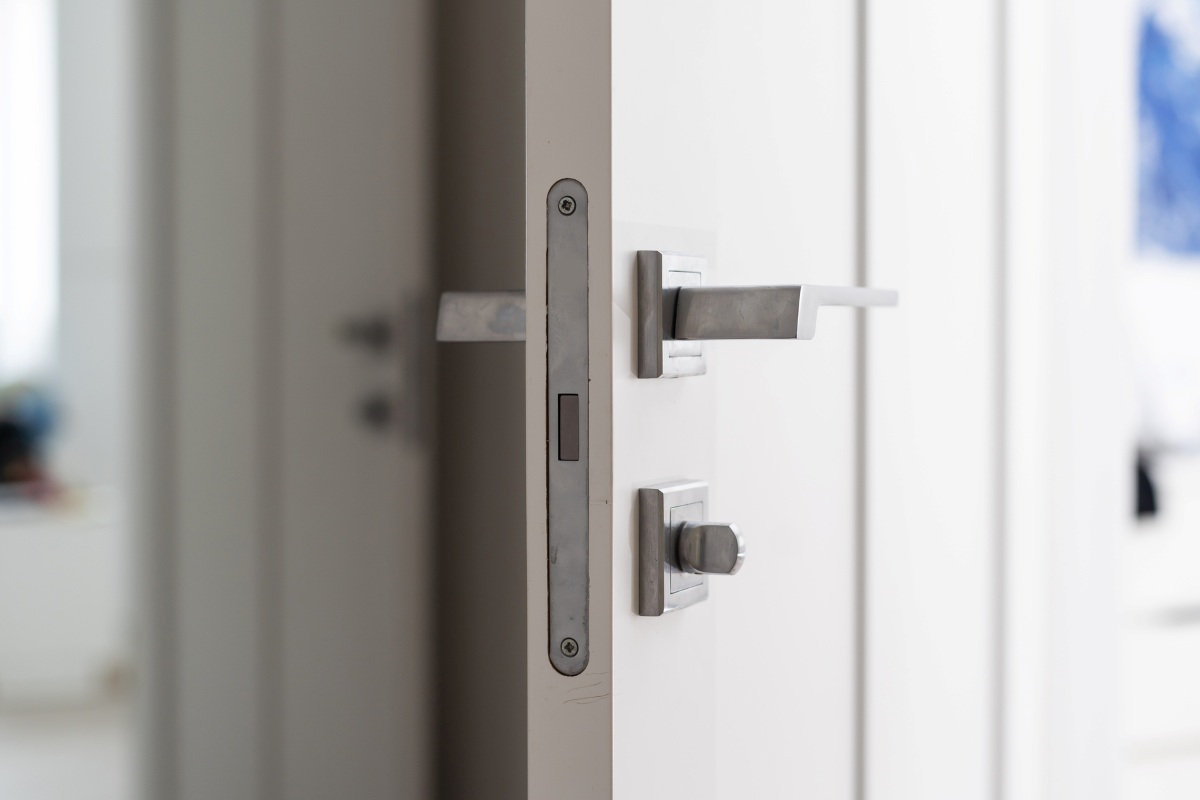
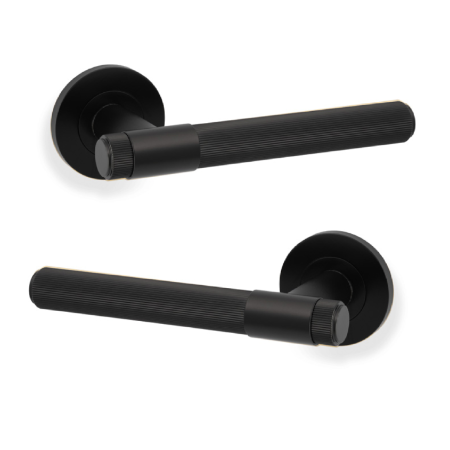
Handle positioning on bi-fold doors differs from standard door applications. The lead panel typically carries the primary handle and locking mechanism. This hardware needs to be accessible when the door is fully closed but not interfere with the folding action.
Flush pulls work well for bi-fold applications where projecting handles might catch during operation. These sit within the door profile and maintain clean lines. However, they offer less leverage than traditional handles, which matters for larger, heavier door sets.
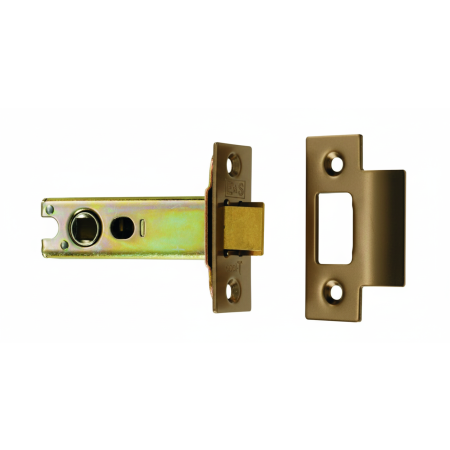
Locking mechanisms must secure multiple panels simultaneously in many installations. Multi-point locks or shoot bolts engage into the top and bottom tracks, preventing panel movement. The locking action should feel smooth and positive without requiring excessive force.
Understanding how roller bolts work helps when specifying security hardware for bi-fold configurations, particularly where multiple locking points are necessary.
Account for Panel Alignment and Adjustment
Bi-fold doors settle after installation. Seasonal movement, building settlement, and regular use all affect panel alignment. Quality hardware includes adjustment provisions that allow fine-tuning without removing the doors.
Pivot hinges with vertical adjustment let you correct height discrepancies between panels. Horizontal adjustment addresses alignment issues that cause panels to catch against each other. Some systems include cam adjusters that modify the swing angle.
Check what adjustment range the hardware provides before purchasing. Limited adjustment capability means you'll need near-perfect installation to achieve proper operation. Generous adjustment ranges tolerate minor installation variations and building movement.
Match Hardware Finish to Usage Conditions
External bi-fold doors face weather exposure that internal installations avoid. Hardware finishes must resist moisture, UV exposure, and temperature fluctuations. Stainless steel and powder-coated finishes generally outperform brass or bronze in exterior applications.
Internal bi-fold doors allow for broader finish choices. Brass, bronze, and various plated finishes all work provided they match the interior aesthetic. Consider how the hardware finish coordinates with other fittings throughout the space.
Key Takeaways
Ultimately, consistency in hardware finish across all bi-fold components creates visual cohesion. Mixing finishes - chrome tracks with brass handles, for instance - rarely looks intentional. It’s better to select stylish fittings for modern and classic doors that complement your overall design direction, whilst meeting the technical demands of bi-fold operation.
Hardware quality also ultimately determines bi-fold door performance and longevity. Skimping on components to reduce initial costs typically results in premature failure and expensive retrofitting. Invest in properly specified hardware from the outset, and your doors will deliver years of reliable service.