




Lacquered vs Unlacquered Brass: What's the Difference?

Brass comes in two fundamentally different forms, and the choice between them affects how your hardware looks for the next decade. One stays locked in time, the other evolves constantly. Neither is objectively better, but they behave completely differently in practice.
The split comes down to a thin protective coating - or the deliberate absence of one.
What Lacquered Brass Actually Does
Lacquered brass gets sealed with a transparent protective layer straight after manufacturing. This coating sits between the metal and everything else - air, moisture, the oils from your hands every time you touch it.
The result is brass that looks on year ten exactly how it looked on day one. That bright, polished gold finish stays consistent because the lacquer prevents oxidation entirely. It's brass in suspended animation.
For years this was the default choice. People wanted their durable hardware pieces built to last to also remain pristine. No darkening, no patina developing over time, no variation in colour. Just permanent shine.
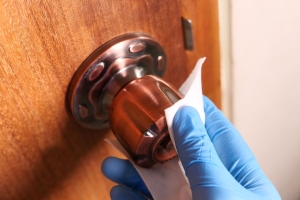
Maintenance is minimal. Wipe it down occasionally with a soft cloth and it stays clean. The lacquer does all the preservation work, which appeals to anyone who doesn't want another item on their home maintenance list.
But lacquer has vulnerabilities. Once it chips or scratches - and eventually it will, particularly on high-touch surfaces - the underlying brass oxidises whilst the protected areas stay bright. You end up with patchy tarnishing that's difficult to fix. Stripping and reapplying lacquer isn't a simple weekend project.
The Unlacquered Alternative
Unlacquered brass is exactly what it sounds like - bare metal with no protective barrier. The brass interacts directly with its environment from the moment it's installed.
This means it changes. The bright gold darkens into warmer tones - amber first, then deeper bronze, eventually rich brown in areas that don't get touched frequently. Where your hand grips a door lever daily, the brass stays lighter from the friction and oils. The surrounding areas age more dramatically.
Some people find this horrifying. Others consider it the entire point of choosing brass.
The darkening isn't damage, though that distinction matters. It's oxidation - the same process that turns copper pipes green or gives old pennies their distinctive appearance. The metal remains structurally sound whilst its surface develops character.
You can reverse this whenever you want. Polish removes the patina and brings back the original brightness, assuming you're willing to put in the effort. Most people who choose unlacquered brass simply let it age, treating the patina as a feature rather than a problem to solve.
There's practical resilience here too. Scratches and marks blend into the evolving surface rather than standing out as flaws. The brass doesn't fail catastrophically the way lacquered finishes can when their coating gets compromised.
How They Perform in Different Environments
Lacquered brass faces challenges in kitchens and bathrooms. Humidity, temperature fluctuations, cleaning products - these all stress the protective coating over time. You need to be careful about what touches the surface, which limits your cleaning product options.
Unlacquered brass just keeps oxidising regardless of environmental conditions. There's no coating to protect, which paradoxically makes it more forgiving. Aggressive cleaning won't damage it because you're working directly with the metal.
High-traffic areas show the difference clearly. Lacquered brass in an entrance hallway maintains its consistent appearance until the coating fails, at which point it deteriorates noticeably. Unlacquered brass develops a pattern of wear that reflects actual use - lighter where hands touch, darker everywhere else.
The Aesthetic Question

Your feelings about change determine which finish makes sense. If you want your house to look the same in 2035 as it does today, lacquered brass delivers that consistency. The hardware remains a stable element whilst everything around it evolves.
Unlacquered brass suits spaces where materials are expected to show their age. It works in homes that embrace the fact that things get used, handled, lived with. The patina becomes part of the story rather than evidence of neglect.
This isn't just about traditional versus modern design either. Plenty of contemporary interiors use unlacquered brass specifically for that evolving quality. The gradual darkening adds depth that static finishes can't match.
Maintenance Reality
Lacquered brass demands gentleness. Soft cloths, mild cleaning products, nothing abrasive that might damage the coating. You're maintaining the lacquer layer, not the brass itself.
Unlacquered brass tolerates rough treatment. You can use stronger cleaners when needed because there's no delicate surface layer to protect. If you scratch it, the mark blends in eventually. If you let it tarnish completely and decide you hate it, polish brings it back.
The polish-or-don't question matters though. Some people buy unlacquered brass intending to maintain the original brightness, then discover that regular polishing becomes tedious. Others plan to let it age naturally and find they dislike how dark it gets.
Cost Considerations
Lacquered brass typically costs less upfront. The coating process is standard manufacturing practice, and the material doesn't require the same quality standards as unlacquered brass that will be on display forever.
Unlacquered brass commands higher prices initially but doesn't need coating maintenance. There's no future refinishing cost, no risk of coating failure requiring replacement. You're paying more once rather than potentially dealing with degradation later.
Making the Choice
Think about how you actually live in your home. If you wipe down surfaces weekly and notice when things look different, lacquered brass might drive you mad once it starts showing wear. If you barely register small changes and like the idea of hardware that ages alongside the house, unlacquered brass makes more sense.
Consider your timeline too. Staying in the property for three years? Lacquered brass will likely perform fine. Planning to hand the house down to your children? Unlacquered brass ages more gracefully over decades.
Neither finish is a mistake, but they require different mindsets. Lacquered brass is about preservation and consistency. Unlacquered brass is about evolution and character. And when it comes to choosing the right finish for door handles, it’s about matching the material's behaviour to your actual preferences, not just its appearance on installation day.