




Do Door Handles Have To Match The Hinges?

Whether door handles and hinges should match is one of the most common questions homeowners and designers ask. It makes sense: hardware sits right at eye level, gets handled constantly, and plays a significant part in how a door looks once installed. When the finishes or styles conflict, the door never feels fully considered. But matching doesn’t always mean identical. The goal is cohesion, not strict uniformity. The right approach depends on the door type, the interior style, and how visible the hinges are in day-to-day use.
When Matching Makes the Most Sense
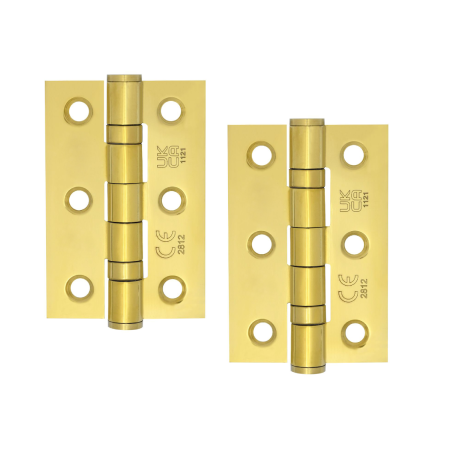
On doors where the hinges are visible, matching them to the handle’s finish usually creates the cleanest result. If a polished brass handle is paired with cool-toned steel hinges, the contrast is immediate and often distracting. Visible hinges sit close enough to the handle that mismatches feel unintentional rather than designed. In period properties, where traditional doors often feature exposed hinges, matching finishes helps maintain architectural continuity. The hardware appears as a unified component rather than separate, unrelated parts fixed to the door.
When a Contrast Can Still Work
There are cases where matching isn’t necessary. Many modern internal doors use concealed hinges, meaning the handle is the only visible hardware. In these situations, the hinge finish becomes far less important. The focus shifts entirely to the handle and latch, and you can choose whichever finish aligns with the interior style. Even with semi-visible hinges, a subtle contrast can work if the tones sit comfortably together. For example, a brushed brass handle paired with a satin stainless hinge can succeed when both finishes share a similar softness. The key is ensuring the contrast looks deliberate rather than accidental.
Considering the Bigger Picture
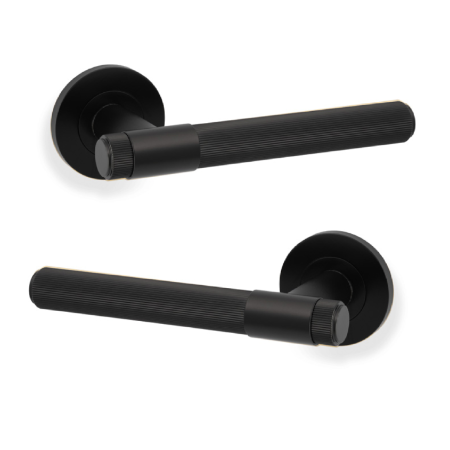
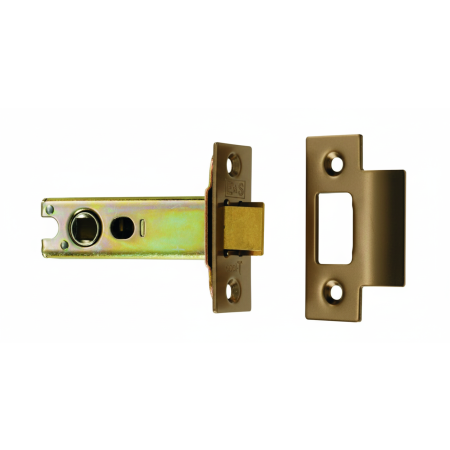
Hardware doesn’t exist in isolation. The handle, hinge, latch, escutcheon, and any additional fittings should feel part of the same design story. This doesn’t require a perfect match, but they should relate. If the door sits in a room with brass lighting, warm-toned switches, or timber detailing, choosing hardware that aligns with those tones helps the room feel more coherent. If the space leans modern and clean-lined, a darker finish may be better suited, even if the hinges remain concealed. Looking at the room as a whole avoids the common trap of selecting finishes piece by piece without considering how they interact.
Practical Implications of Finish Choices

Finish is not only visual; it affects maintenance and longevity. Some finishes mark or fingerprint more easily. Others show wear faster on frequently used doors. Matching finishes avoids the issue of one component ageing differently from another, especially on doors used by multiple people throughout the day. Brass, for instance, ages gracefully and remains consistent over time. Black finishes provide strong definition but benefit from high-quality coatings to maintain durability. When hinges and handles differ in finish, it’s important to ensure both materials age at a similar rate.
Style Differences Between Hinges and Handles
Even when finishes match, large differences in style can still look uneven. A heritage-style hinge paired with a very modern handle interrupts the visual flow of the door. Traditional hinges tend to feature rounded edges and classic shapes, while contemporary handles rely on sharper lines. Aligning the general style - even if the finishes differ - creates better balance. When the style language clashes, the door looks pieced together rather than thoughtfully assembled.
Coordinating Hardware When Updating Gradually
Not every project involves replacing all hardware at once. Sometimes hinges are already installed or built into fire-rated doors, making replacement impractical. In these cases, choosing a handle that complements rather than matches the hinge becomes the priority. Finishes that sit near each other on the tonal spectrum usually work best. Brushed brass with stainless steel, or matte black with dark bronze, are examples of combinations that maintain harmony even without a perfect match.
Why Choose Brass Works
At Brass Works, we focus on providing hardware solutions that support both design integrity and long-term performance. Our guidance is based on practicality, accuracy, and an understanding of how different components work together on the door. We stock a broad range of finishes - modern, traditional, and transitional - so you can choose handles that align with your existing hinges or coordinate the entire set for a unified look. Whether you’re replacing a single handle or updating a full property, we help ensure the hardware you select feels consistent, durable, and suited to the architectural style.
Making the Best Choice for Your Doors
Matching handles and hinges can create a clean, cohesive result, especially on doors where both are visible. But matching is not a strict requirement. What matters is whether the finishes and styles relate in a way that feels intentional. Consider how visible the hinges are, how the door functions, and how the hardware integrates with the wider design of the room. And if you want a fully coordinated approach with dependable performance, take a look at our secure and stylish door hardware. With quality at the forefront of everything we do, we offer hardware designed to bring clarity, consistency, and long-term reliability to every door in your home.