





7 Ways to Make Your Home Interior Look More Expensive

Expensive-looking interiors don't require expensive budgets. The perception of quality comes from specific choices that have little correlation with actual cost. Understanding which elements create this impression lets you achieve a refined aesthetic without proportional spending.
Simplify and Edit Ruthlessly
Clutter kills any sense of luxury instantly. High-end homes feel spacious because they contain only what's necessary or genuinely valued. This isn't about embracing minimalism as a lifestyle - it's about intentional curation.
Go through each room and remove decorative items that don't serve a clear purpose. Your surfaces need breathing room. Every piece on display should actually merit the visual attention it receives. When twenty objects compete for space on a shelf, none of them look valuable.
Storage that conceals everyday necessities maintains this edited appearance. Visible storage isn't inherently problematic, but it should look deliberate rather than improvised. Built-in solutions read as permanent and considered. Freestanding wire shelving and plastic containers broadcast temporary, regardless of what they're storing.
Upgrade Architectural Hardware Throughout
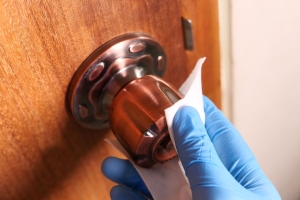
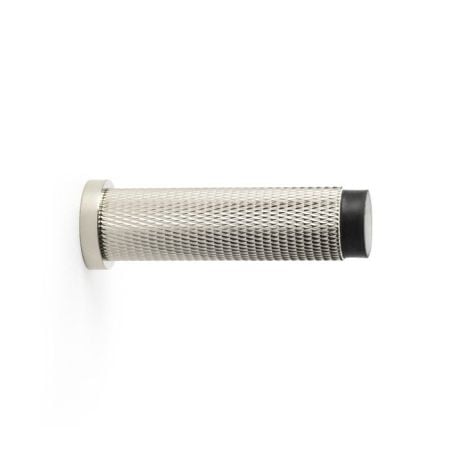
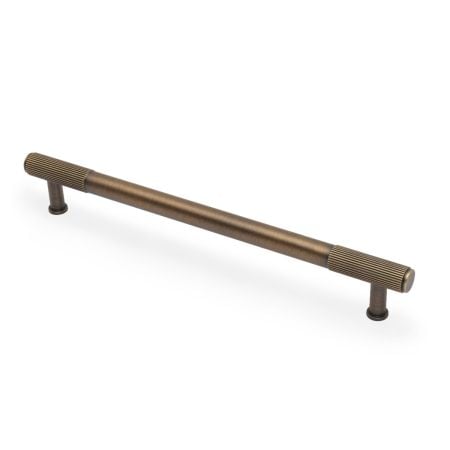
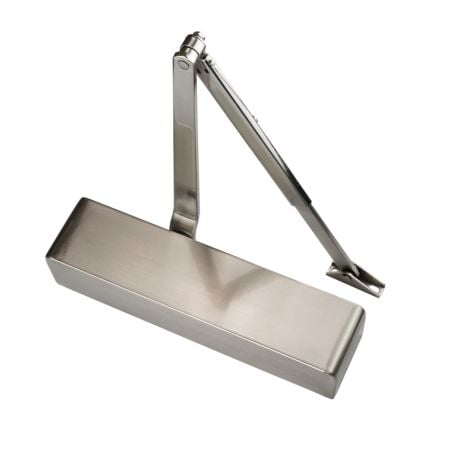
Door handles get touched multiple times daily. Light switches, socket plates, cabinet pulls - these small components appear in every room. Mismatched or builder-grade hardware immediately signals where corners were cut.
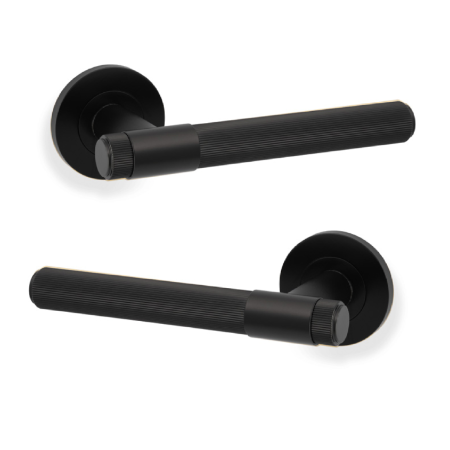
Consistent hardware finish throughout the home creates cohesion that reads as intentional design. Brass, bronze, or matte black across all touchpoints establishes a unified language. Chrome and brushed nickel work functionally but often look standard rather than selected.
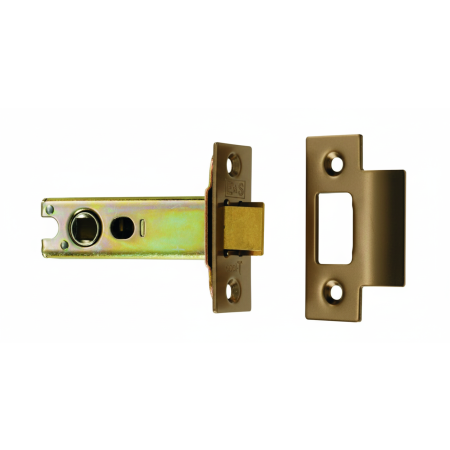
Quality hardware has weight - both visual and physical. Cheap handles feel hollow and operate with a loose, imprecise action. Well-made pieces have substance when you grip them and move smoothly through their range. That tactile quality matters more than most people realise until they compare directly.
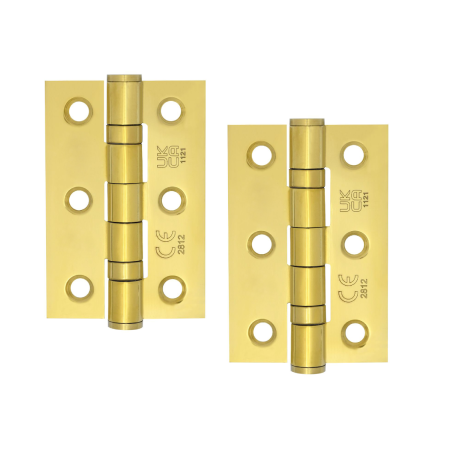
The finish consistency extends to hinges, escutcheons, even the small screws visible on socket plates. When everything matches, it looks planned. When finishes vary randomly between rooms, it looks like different people installed things at different times using whatever was available.
Layer Lighting Instead of Relying on Ceiling Fixtures
Single overhead lights flatten spaces and create harsh shadows. Expensive interiors use multiple light sources at different heights - table lamps, floor lamps, wall sconces, picture lights.
This layered approach lets you adjust the atmosphere throughout the day. Bright task lighting when you need it, ambient warmth in the evening. The variety adds depth that single-source lighting can't achieve.
Dimmer switches transform how rooms feel at different times. The same space works for concentrated work during the day and relaxed conversation at night. Installing dimmers on existing fixtures costs relatively little but changes how the room functions.
Lampshades matter more than the fixtures themselves in many cases. Cheap shades with visible seams or synthetic materials broadcast their cost. Linen or cotton shades with clean construction look substantially better without dramatic price differences.
Invest in Window Treatments That Actually Fit

Curtains that don't reach the floor look unfinished. Blinds that fit poorly within the window frame draw attention to the gap. Window treatments that don't quite work undermine everything else in the room.
Floor-length curtains should either just kiss the floor or puddle slightly. Hanging them higher than the window frame - closer to the ceiling - makes the room feel taller. This costs nothing extra in terms of hardware but requires slightly more fabric.
The quality of the fabric shows immediately. Cheap synthetic curtains hang stiffly and don't drape naturally. Cotton, linen, or wool blends move better and catch light differently. The difference is obvious from across the room.
Blackout linings serve a function but also add weight and structure to curtains. They hang better and the extra layer prevents that thin, flimsy appearance that screams budget option.
Use Larger Rugs Than You Think You Need
Small rugs make rooms look smaller and furniture arrangements feel disconnected. In living rooms, the front legs of all major furniture pieces should sit on the rug, or ideally the entire piece. This anchors the arrangement and defines the space properly.
Undersized rugs are one of the most common mistakes in home styling. People buy what fits their budget rather than what fits the room, then wonder why the space feels disjointed.
Natural fibre rugs - wool, jute, sisal - have texture and depth that synthetic versions lack. They age better too. A quality natural rug develops character over time rather than looking progressively more worn.
Rug padding underneath prevents slipping and adds cushioning, but it also makes the rug feel more substantial underfoot. That slight elevation and softness registers as quality even if people can't articulate why.
Match Your Metals But Not Obsessively
Consistency in metal finishes creates cohesion, but absolute matching looks overly coordinated. The goal is intentional variety within a limited palette.
Choose two complementary metal finishes maximum - brass and matte black work well together, as do bronze and aged copper. Use one as the primary finish for most hardware and the other as an accent.
This applies beyond door hardware to lighting fixtures, cabinet pulls, curtain rods, picture frames. When these elements share a finish family, the room looks considered rather than assembled randomly over time.
The exception is truly vintage or antique pieces, which can introduce different metals because their age gives them permission to stand outside the contemporary scheme.
Upgrade in the Kitchen Without Renovating
Kitchens signal a home's quality level immediately. Full renovations cost substantially, but targeted upgrades create disproportionate impact.
Replace cabinet hardware first. New handles and knobs transform how the kitchen reads visually. This is particularly effective if you're keeping the existing cabinets but want them to look more deliberate.
Tap upgrades make a surprising difference. The kitchen tap gets used constantly and sits prominently in the space. A well-designed tap in a quality finish immediately elevates how the room feels, and there are plenty of approaches to updating your kitchen on a budget that don't require full replacements.
Hardware finish consistency matters here too. If you've chosen matte black door handles throughout the house, carrying that through to kitchen cabinet pulls creates visual continuity.
The same principle applies to brass or bronze - you can browse the black finish collection here if you're working with darker hardware across multiple rooms.
Open shelving, if it suits your lifestyle, looks more expensive than closed cabinets when styled properly. The key is discipline - only attractive items on display, and not too many of them. It creates an intentional, curated appearance that upper-end kitchens favour.
The Reality of Perceived Value
None of these changes are particularly expensive individually, but their cumulative effect dramatically shifts how a space reads. The home feels more considered, more permanent, more valuable than its actual cost basis.
The difference between looking cheap and looking expensive often comes down to consistency, proper scale, and the small details that indicate someone made deliberate choices rather than accepting whatever came standard. That intentionality is what people register as quality, even if they can't articulate exactly what creates the impression.