




8 Different Types of Doors to Consider for Your Home

Doors do more than provide privacy and security. They shape how spaces flow, how light moves through your home, and how each room connects to the next. The door type you choose affects both practical function and visual impact, and the options extend well beyond standard hinged panels.
Panel Doors
Panel doors remain the most common choice for good reason. They consist of vertical stiles and horizontal rails that frame individual panels - typically four or six. The panels sit within the frame, allowing the wood to expand and contract with humidity changes without warping the door.
Traditional panel doors suit period properties and classic interiors. The depth and shadow lines created by raised panels add architectural detail that flat doors can't match. Flat panel versions work in more contemporary settings whilst maintaining the structural benefits of the panel-and-frame construction.
Quality shows in how the panels are constructed. Better doors use solid wood panels rather than MDF or veneer. The joinery matters too - mortise and tenon joints outlast simpler construction methods by decades.
Flush Doors
Flush doors have completely flat surfaces with no panels, mouldings, or decorative elements. This creates clean lines that work particularly well in modern and minimalist interiors.
The internal construction varies significantly. Solid core flush doors contain dense material throughout, making them heavier, more substantial, and better at blocking sound. Hollow core versions use a honeycomb or lattice internal structure with thin veneer faces. They're lighter and cheaper but feel insubstantial when you close them.
Flush doors show surface imperfections more readily than panel doors. Any dent, scratch, or irregularity in the flat plane becomes obvious. This makes material quality and finish particularly important.
Glazed Doors
Glazed doors incorporate glass panels within the door structure. This allows light to pass between rooms whilst maintaining some separation and sound insulation.
The amount of glazing varies enormously. Some doors have small glass panels at eye level for visibility. Others feature floor-to-ceiling glass with minimal framing. Half-glazed doors balance light transmission with privacy.
Glass choice affects both appearance and function. Clear glass maximises light but provides no privacy. Frosted or textured glass obscures views whilst still allowing light through. Leaded or stained glass adds decorative interest but reduces light transmission.
Internal glazed doors work well between hallways and rooms, or between kitchen and dining areas where you want visual connection without fully open spaces. External glazed doors need appropriate glass specifications for security and thermal performance.
Bi-Fold Doors
Bi-fold doors consist of multiple panels that fold against each other when opened, stacking to one or both sides. This creates wide openings from relatively compact door sets.
They're particularly effective for connecting indoor and outdoor spaces. A bi-fold door across the back of a house can open an entire wall, transforming how the space functions in good weather. Internal bi-folds work for wardrobes or to divide large rooms without the swing space that conventional doors require.
The hardware matters enormously with bi-folds. Track quality, pivot mechanisms, and panel alignment all determine whether the doors operate smoothly or become frustrating to use. Cheaper systems often bind, stick, or develop alignment issues quickly.
Sealing presents challenges with bi-folds. Multiple panels mean multiple potential gaps where draughts can enter. Quality weatherstripping and precise installation are essential for external applications.
Sliding Doors

Sliding doors move horizontally along a track rather than swinging on hinges. This eliminates the space required for door swing, making them useful in tight areas or where furniture placement would conflict with a hinged door.
Standard sliding doors require wall space adjacent to the opening for the door to slide across. Pocket doors solve this by sliding into a cavity within the wall itself, disappearing entirely when open.
Installing a pocket door requires more structural work than surface-mounted sliding doors since you're creating a cavity within the wall. The cavity needs to accommodate the door thickness plus the track mechanism, which can complicate situations where plumbing or electrical services run through the wall.
Sliding door hardware quality determines long-term performance. The rollers take constant load and need to run smoothly without rattling or binding. Soft-close mechanisms prevent the door from slamming but add complexity to the system.
French Doors
French doors are pairs of hinged doors that meet in the middle with no central mullion. Both panels open, creating a wide passage that feels more generous than a single door of the same width.
They work internally between rooms or externally opening onto gardens or balconies. The symmetry appeals in formal settings and traditional homes. Modern versions with minimal framing suit contemporary interiors as well.
One panel typically includes locking hardware whilst the other has flush bolts top and bottom to secure it in place. You can open just one panel for regular use or both for moving furniture or hosting.
The gap between the two doors requires careful sealing for external installations. Weather strips and proper overlap detailing prevent draughts and water penetration. Internal French doors avoid these concerns but still need precise hanging to ensure the doors meet evenly.
Stable Doors
Stable doors split horizontally, allowing the top and bottom halves to open independently. Originally designed for stables - where you'd want ventilation whilst keeping animals contained - they've found use in residential properties for their practical benefits and character.
They work well for homes with young children or pets. You can open the top for ventilation and light whilst keeping the bottom closed for security. They also create a casual, cottage-style aesthetic that suits certain properties.
The two halves need to align precisely when closed or the door looks wrong. Quality stable doors include positive location mechanisms that ensure consistent alignment. The hardware requires more maintenance than single doors since you're essentially maintaining two separate doors in the same frame.
Fire Doors
Fire doors are rated to resist fire for specific periods - typically 30 or 60 minutes. They're required by building regulations in certain locations, particularly in flats and houses of multiple occupancy.
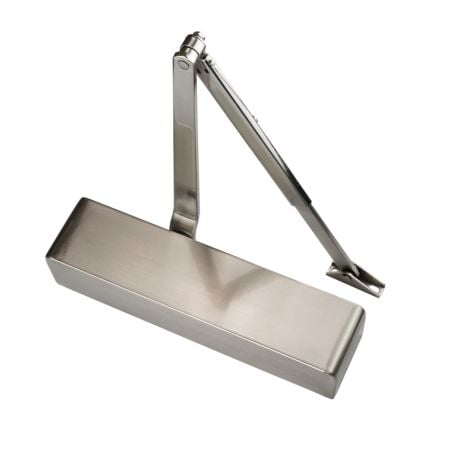
Fire doors look like standard doors but have denser cores and specific hardware requirements. The intumescent strips around the edge expand when exposed to heat, sealing gaps to prevent smoke and flame spread. Self-closing mechanisms ensure the door returns to the closed position automatically.
You can't modify fire doors without potentially compromising their rating. Cutting the door down, adding glass panels, or changing hardware needs to maintain the fire rating. Certification labels indicate the door's rating and shouldn't be removed.
Making the Right Choice
Door selection depends on the space's function, architectural style, and practical constraints. Hinged panel doors remain the versatile default for most internal applications. Sliding or bi-fold doors solve specific space challenges. Glazed doors balance light and separation.
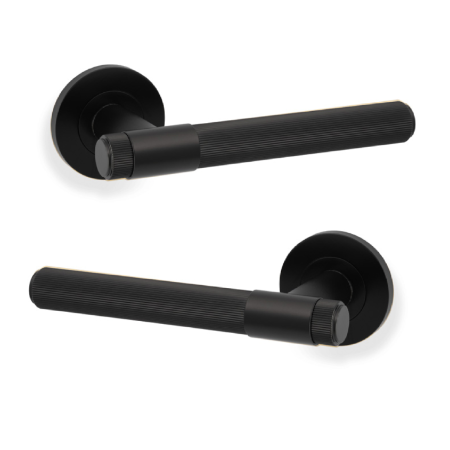
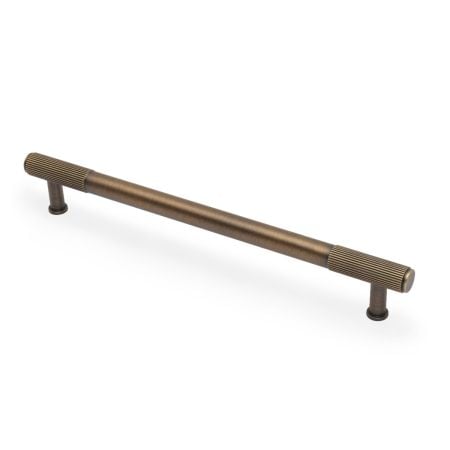
External doors face additional requirements around security, weather resistance, and thermal performance. The door type affects hardware needs as well - solid brass fittings built with durability in mind suit traditional panel doors, whilst contemporary flush doors might pair better with minimalist hardware designs.
Consider how the door operates in practice, not just how it looks when closed. A beautiful bi-fold door that binds constantly becomes frustrating quickly. A simple hinged door that opens smoothly and closes with a satisfying click serves you better than impressive-looking hardware that doesn't function properly.