




8 Effective Ways to Improve Your Home Security

Home security isn't about creating a fortress. It's about making your property less appealing to opportunistic criminals whilst maintaining a home that's actually pleasant to live in. Most break-ins exploit obvious vulnerabilities rather than sophisticated methods, which means straightforward improvements create meaningful protection.
Upgrade Your Door Locks
Door locks are your primary defence, and many homes still have inadequate hardware installed by builders decades ago. Cylinder locks on UPVC doors can be vulnerable to snapping - a technique that takes seconds with basic tools.
Anti-snap cylinders resist this attack method through reinforced construction and sacrificial sections that break away without compromising the lock mechanism. They cost marginally more than standard cylinders but provide substantially better security.
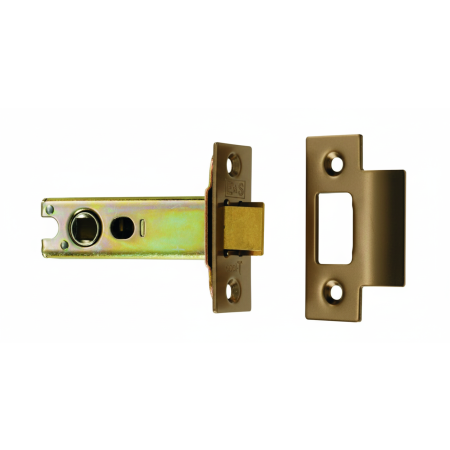
Deadbolts on timber doors should throw at least 25mm into the frame. Shorter throws can be forced with moderate pressure. The strike plate - the metal plate on the frame that receives the bolt - needs secure fixing into solid timber, not just the architrave.
Multi-point locking systems engage at several points simultaneously when you lift the handle and turn the key. These are standard on most modern UPVC and composite doors. If your door only locks at a single point, upgrading the entire lock mechanism improves security considerably.
Understanding choosing the right lock for home security helps when you're replacing or upgrading existing hardware. Different door types require specific lock configurations.
Secure Ground Floor Windows
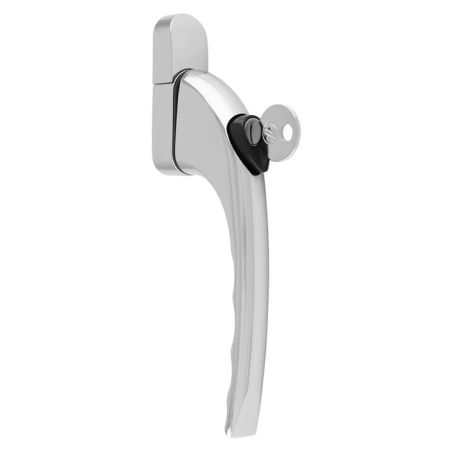
Ground floor windows provide easy access if they're left unsecured. Window locks prevent opening even if someone breaks the glass and reaches through to the handle.
Casement windows need locks that secure the opening section to the fixed frame. These should be positioned so they can't be accessed by breaking a small pane of glass. Sash windows require locks that prevent the sliding sections from moving independently.
Laminated glass in ground floor windows makes forced entry more difficult. Unlike standard glass that shatters into fragments, laminated glass stays bonded to an internal plastic layer. Breaking through requires sustained effort and noise rather than a quick smash.
Window security film applied to existing glass creates similar resistance without replacing the glazing. The film holds shattered glass together, making quick entry through windows much harder.
Install Visible Deterrents
Opportunistic criminals assess risk quickly. Visible security measures often convince them to move on rather than attempting entry.
External lighting with motion sensors creates the impression of activity and makes approach more difficult to do discreetly. Position sensors to cover paths, driveways, and potential hiding spots near doors and windows.
Dummy cameras lack the functionality of real CCTV systems but create visual deterrence at minimal cost. Real cameras obviously provide better protection if someone does attempt entry, but even visible dummy units make properties less attractive targets.
Alarm system signage works similarly. Actual alarm systems provide genuine protection, but even displaying stickers indicating an alarm presence can discourage casual attempts. Professional criminals may recognise dummy signage, but most break-ins aren't committed by professionals.
Strengthen Door Frames and Hinges
The strongest lock fails if the door frame splinters under force. Timber frames should be in good condition without rot or damage. Strike plates need long screws that penetrate into the wall structure, not just the door frame timber.
Door viewers (peepholes) let you identify visitors without opening the door. Wide-angle viewers show a broader area outside, though they distort the image somewhat. Digital viewers with screens provide clearer images and can record visitors.
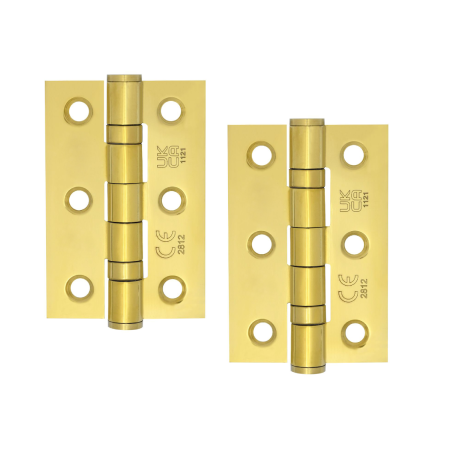
Hinge bolts on outward-opening doors prevent the door being lifted off even if the hinges are compromised. These are small bolts on the hinge side that engage into the frame when the door closes.
Security chains allow you to open the door partially whilst maintaining a physical barrier. Proper installation into solid timber or masonry provides genuine protection. Chains screwed only into plasterboard pull out easily.
Control Access Points

Every unlocked door or window is a potential entry point. Establishing habits around locking up reduces opportunities significantly.
Back doors and side doors often get less attention than front doors despite being less visible to neighbours and passing traffic. These need the same security standards as primary entrances.
Pet doors create a vulnerability depending on their size and location. Large dog doors can allow human entry. Position them away from door locks so someone can't reach through to operate the internal handle. Some pet doors include locking mechanisms or electronic access control.
Ladders, garden furniture, and wheelie bins provide easy climbing access to first-floor windows. Store ladders secured in sheds or garages. Position bins away from windows on collection day. Clear climbing aids from around the property perimeter.
Manage Key Security
Lost or stolen keys compromise your security until you change the locks. Key control prevents unauthorised copying and ensures you know where keys are.
Never label keys with addresses. If lost, nothing identifies which property they open. Number keys if you need identification and keep the key/location reference separate and secure.
Key safes mounted externally provide backup access but create a permanent vulnerability. Position them discretely rather than prominently by the front door. Choose safes with anti-tamper features and change the combination regularly.
Spare keys left under mats, plant pots, or fake rocks rarely fool anyone. These are the first places criminals check. If you need emergency access options, give keys to trusted neighbours rather than hiding them on the property.
Secure Sheds and Garages
Outbuildings often contain tools that can be used to force entry into the main house. Securing these secondary structures protects both their contents and your home.
Shed and garage locks are often minimal - basic padlocks on flimsy hasps. Upgrade to closed-shackle padlocks where the shackle has minimal exposure, making cutting more difficult. Hasp and staple fittings should bolt through the door and have concealed fixings internally.
Ground anchors let you secure valuable items like bikes and power tools with chains or cables. These work particularly well in garages where you've got a solid floor for mounting.
Windows in sheds and garages need securing as well. Security grilles prevent access even if the glass is broken. Alternatively, paint interior surfaces of windows to obscure visibility of contents whilst maintaining some natural light.
Consider Smart Home Security
Modern security technology offers remote monitoring and control. Smart locks, cameras, and alarm systems connect to your phone, letting you check status and respond to alerts from anywhere.
Video doorbells record visitors and let you speak to them remotely. They capture delivery attempts, unexpected visitors, and suspicious activity. The footage provides evidence if problems do occur.
Smart locks eliminate key management entirely, using codes, phone apps, or biometric access. You can grant temporary access to visitors and receive notifications when doors are accessed. If you're incorporating these modern solutions into your security strategy, you'll still need practical hardware solutions with built-in locks as your baseline physical security.
Connected alarm systems send alerts when triggered and some include professional monitoring services. These cost more than standalone alarms but provide response capability when you're away.
Battery backup ensures systems continue functioning during power cuts. Cellular backup maintains connectivity if internet service fails.
The Layered Approach
Effective home security combines multiple measures rather than relying on any single solution. Visible deterrents discourage casual attempts. Physical barriers slow determined intruders. Monitoring systems detect and record intrusion attempts.
The goal isn't absolute prevention - that's impossible without turning your home into a prison. Instead, make your property sufficiently difficult and risky that criminals move on to easier targets. Most break-ins are opportunistic rather than planned, so basic security improvements eliminate the majority of risk.
Balance security with livability. Fire safety requires that windows and doors can be opened quickly from inside without keys. Overly complex security systems that you don't use consistently provide less protection than simple measures you actually implement.