




Internal vs External Door Handles: What's the Difference?
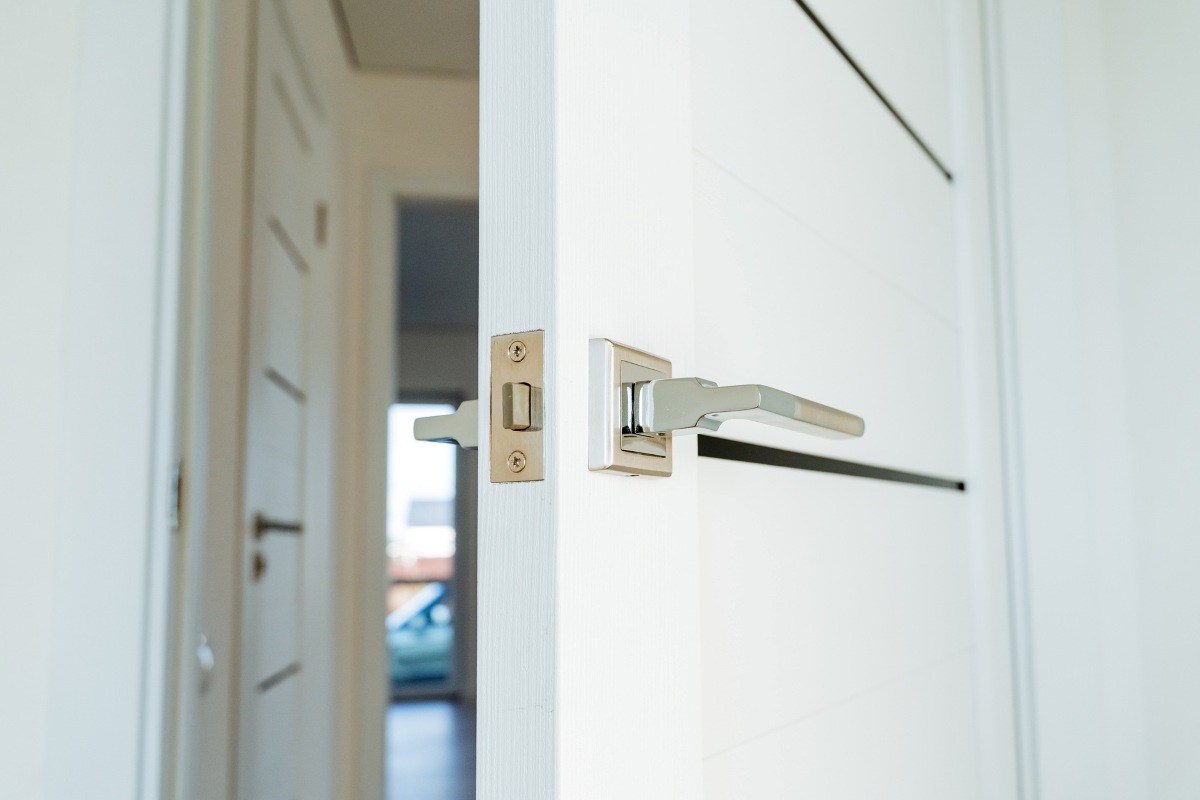
When you're choosing door handles, it's tempting to think aesthetics are the main consideration - finding hardware that matches your interior style and looks good on your doors. And whilst appearance certainly matters, there's a more fundamental distinction that affects performance, durability, and safety: whether the handle is designed for internal or external use.
Internal and external door handles aren't interchangeable. They're built differently, use different materials and finishes, meet different security requirements, and perform different functions. Using internal handles on external doors creates problems - premature deterioration, security vulnerabilities, and handles that simply don't stand up to weather exposure and security demands.
Understanding what makes them different helps you choose appropriate hardware rather than discovering you've made the wrong choice after installation.
Construction and Material Durability
Internal Door Handle Materials
Internal handles prioritise aesthetics and comfort over extreme durability. They're designed for controlled environments where temperature stays relatively stable, moisture exposure is minimal, and the primary concern is daily use rather than weathering.
Materials include brass, zinc alloy, aluminium, and sometimes plastic components for budget options. These materials work perfectly well indoors where they're protected from weather, but they're not necessarily built to withstand outdoor conditions.
Finishes on internal handles - polished chrome, brushed nickel, painted options - are selected for appearance and moderate wear resistance. They'll handle the opening and closing that occurs indoors, but they're not engineered for UV exposure, rain, temperature extremes, or coastal salt air.
External Door Handle Construction
External handles use more robust construction and weather-resistant materials. Solid brass, stainless steel, and marine-grade alloys are common because they resist corrosion, handle temperature fluctuations, and maintain structural integrity despite constant weather exposure.
The finish matters significantly outdoors. Lacquered brass protects the underlying metal from oxidation. PVD (Physical Vapour Deposition) finishes provide superior durability compared to standard plating. Powder coating offers weather resistance that painted finishes cannot match.
External handles also feature sealed mechanisms protecting internal components from moisture ingress. Water getting into the handle mechanism causes corrosion, freezing in winter, and eventual failure - problems that proper sealing prevents.
Weather Resistance Requirements
How Weather Affects Door Hardware
External door handles face conditions internal hardware never encounters. Rain causes surface corrosion on unsuitable materials. UV exposure degrades certain finishes and plastics. Temperature fluctuations cause metal expansion and contraction. Coastal environments introduce salt that accelerates corrosion dramatically.
Using internal handles externally means they'll deteriorate visibly within months. Chrome finishes pit and corrode, brass tarnishes unevenly, zinc alloy handles corrode through, and mechanisms seize from moisture damage.
Design Features for Weather Protection
External handles incorporate specific design features addressing weather exposure. Drip channels divert water away from keyholes and mechanisms. Sealed backplates prevent water penetration behind the handle. Drainage holes allow any moisture that enters to escape rather than pooling inside.
These aren't aesthetic details - they're functional elements preventing the weather damage that destroys handles not designed for outdoor use.
Security and Locking Mechanisms
Internal Door Security Needs
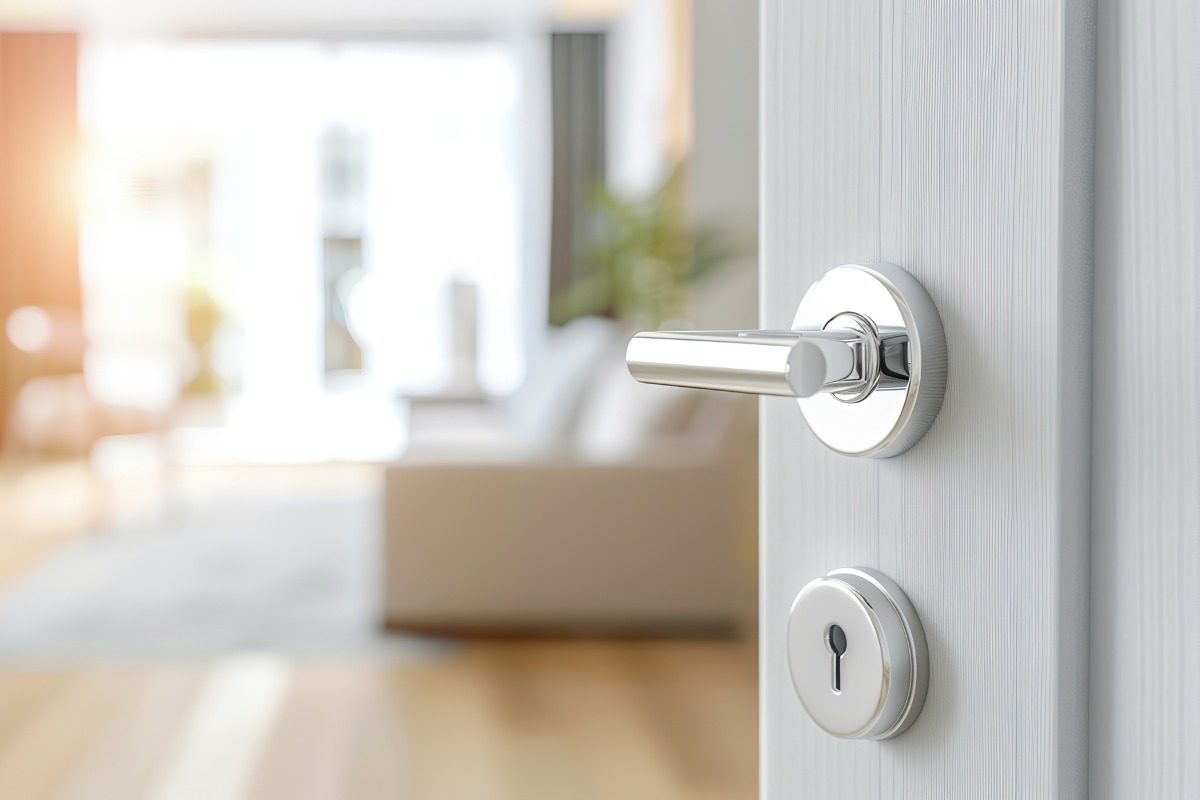
Internal doors typically don't require high security. Privacy locks for bathrooms and bedrooms prevent accidental intrusion but aren't designed to resist forced entry. Passage handles for hallways and living areas don't lock at all - they're purely functional hardware for opening and closing doors.
The mechanisms are simpler, the construction lighter, and the security considerations minimal compared to external doors where preventing unauthorised entry is the primary function.
External Door Security Standards
External door handles must meet security standards that internal hardware doesn't. They incorporate anti-drill plates protecting the cylinder, reinforced construction resisting forced entry, and more robust locking mechanisms.
Many external handles include multipoint locking compatibility - connection points for additional locking bolts that engage at multiple points along the door edge. Internal handles rarely include these features because internal doors don't need them.
The lever or knob itself is often reinforced on external handles to resist the twisting and forcing that occurs during break-in attempts. Internal handles don't face these stresses and aren't built to withstand them.
Functional Differences
Handle Operation
Internal and external handles often operate slightly differently. Many external handles include a key cylinder on the outside and a thumb turn on the inside, allowing keyless exit whilst maintaining security. Internal privacy locks typically use simple twist mechanisms or button locks.
External handles might include additional features like night latches, automatic locking, or deadbolts integrated into the handle mechanism. These features address security needs that don't exist for internal doors.
Fire Rating Considerations
Fire-rated doors require appropriately rated hardware. External doors often need fire rating as part of building regulations, particularly for flats or commercial properties. The handles must maintain their integrity during fire exposure for the specified duration.
Internal doors might or might not require fire rating depending on location and building regulations. Where fire rating is needed, the handle specification must match the door's rating - another consideration beyond simple appearance.
Aesthetic and Design Considerations
Style Coordination
Whilst internal and external handles serve different purposes, many manufacturers offer coordinating ranges allowing visual consistency throughout your home. You can have matching styles in appropriate specifications for each location - the same design aesthetic but engineered differently for internal versus external use.
Proportions and Visual Weight
External handles are often slightly larger and more substantial than internal handles. This partly reflects their more robust construction but also suits the visual weight appropriate for entrance doors.
Main entrance doors typically benefit from more prominent hardware that creates presence and makes a design statement. Internal doors work better with more understated hardware that doesn't dominate the door or room.
Making the Right Choice
The most important consideration is simple: use external handles for external doors, internal handles for internal doors. Don't attempt to save money by using internal handles outside - they'll fail prematurely, look terrible within months, and potentially compromise security.
For internal doors, you have more flexibility. Higher-quality internal handles will last longer and operate more smoothly than budget options, but the performance difference isn't as dramatic as with external hardware where weather exposure ruthlessly reveals any quality shortcomings.
At Brass Works, we offer a wide range of door handle options specifically designed for their intended locations. Our external handles meet security standards, use weather-resistant materials and finishes, and include the construction features that ensure they'll perform reliably despite weather exposure. Our internal handles prioritise aesthetics and smooth operation whilst providing the durability needed for daily use in protected environments.
Plus, if you need any help at all when making your choice - whether you’re unsure about sizing or simply want guidance when choosing the right door handle colour - we’re here to help.