




Door Handle Sizes: A Complete Guide
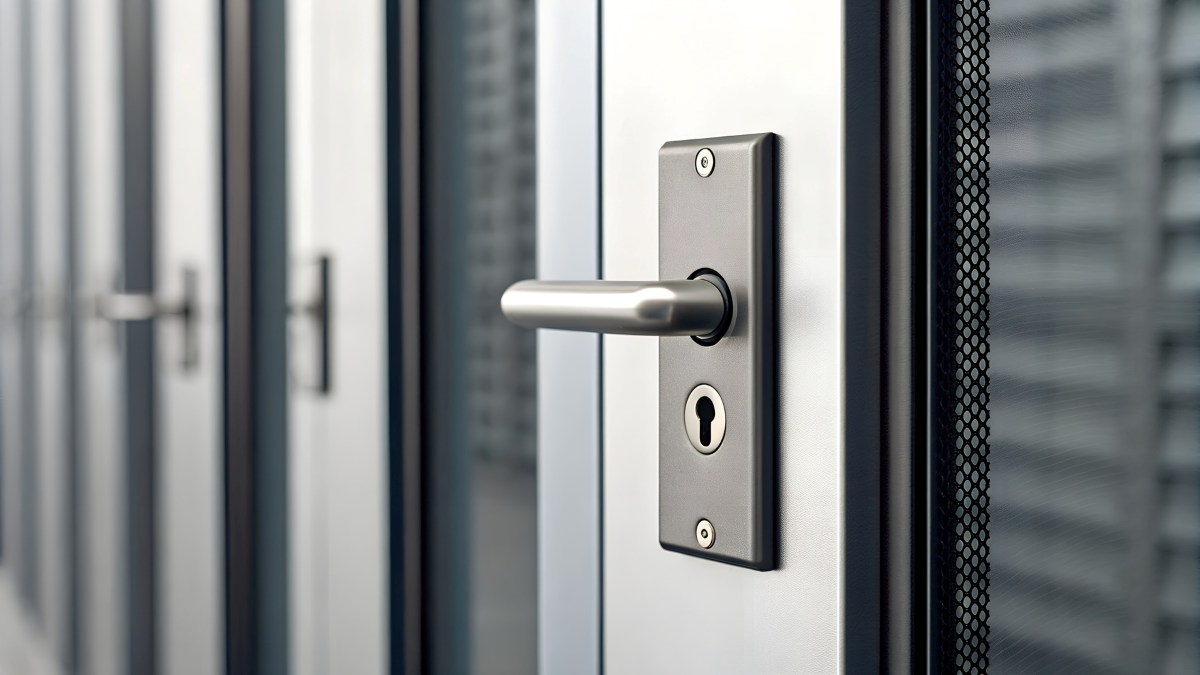
One of the biggest mistakes to avoid in selecting door handles is getting the wrong size. We don’t blame you, though - door handle sizing seems straightforward until you're actually trying to choose hardware and discover there are multiple measurements to consider, terminology you're unfamiliar with, and compatibility issues you didn't anticipate. The wrong size doesn't just look odd - it can make doors difficult to operate, require modifications to your door, or simply not fit the existing holes and mechanisms.
Getting sizes right the first time means understanding what measurements matter, how they're expressed, and what's standard versus what requires custom preparation. It prevents the frustration of ordering handles that arrive and don't fit, or look disproportionate once installed.
Key Measurements Explained
Backset Measurement
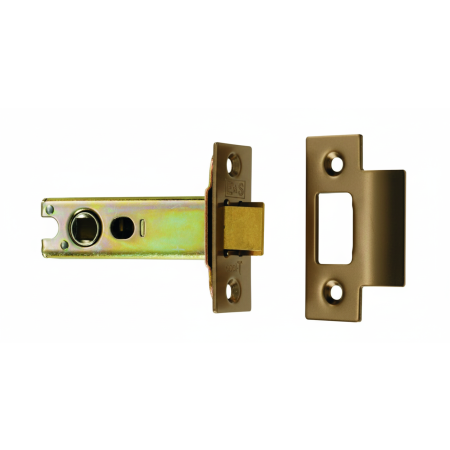
Backset is the distance from the edge of the door to the centre of the handle spindle hole - essentially how far the handle sits from the door edge. This is the most critical measurement for compatibility because it determines whether the handle aligns with your existing latch or lock mechanism.
Standard backsets in the UK are 44mm and 57mm for most residential applications. Older doors or specific lock types might use different backsets, but these two measurements cover the vast majority of situations.
If your handle has the wrong backset, it won't align with the latch. The spindle won't engage properly, the handle won't operate the mechanism, and you'll need either different handles or modifications to the door and lock position.
Centres (PZ - Pitch Centre Dimension)
For handles used with euro cylinders - common on uPVC doors and modern composite doors - the centres measurement indicates the distance from the spindle centre to the cylinder centre. This is often referred to as PZ (pitch centre dimension).
Standard PZ measurements are typically 92mm, though 70mm and 85mm also occur. Measuring your existing setup before ordering ensures the new handle positions the cylinder correctly.
Getting PZ wrong means the handle won't align with the cylinder hole, creating an awkward gap or overlap that looks poor and might affect security by not properly covering the cylinder.
Overall Length and Projection
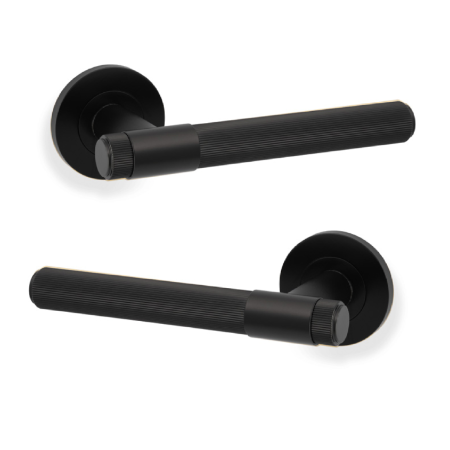
Overall length measures the handle from end to end - particularly relevant for lever handles where this dimension affects both aesthetics and clearance. Long lever handles make bold design statements but require adequate wall clearance when the door opens.
Projection measures how far the handle extends from the door face. This matters for clearance - in tight hallways or where doors swing close to walls, excessive projection means handles hitting walls or creating obstacles.
Plate Dimensions
The backplate or rose that mounts to the door has its own dimensions affecting appearance and coverage. Larger plates cover more of the door surface, which can be desirable if you're replacing handles and want to hide marks from previous hardware.
Plate dimensions also affect proportions. A small handle on a large plate looks unbalanced. A large handle on a minimal rose might look disproportionate to the door size.
Standard Sizes vs Non-Standard
Common UK Standards
Most modern UK door handles follow reasonably consistent sizing:
- Backset: 44mm or 57mm
- Spindle diameter: 8mm square
- Screw centres on backplates: 38mm (though this varies more than backset)
- Lever length: 100-150mm for most residential handles
These standards mean handles from different manufacturers are often interchangeable if you're replacing existing hardware. You can swap brands without needing door modifications.
When Non-Standard Occurs
Older properties, heritage doors, or imported hardware sometimes use different dimensions. Victorian doors might have unusual backsets. Some European imports use metric measurements that don't align with UK standards. High-end architectural hardware sometimes uses proprietary dimensions.
If your existing hardware is non-standard, you'll need either custom handles or door modifications to fit standard sizes. Neither option is impossible, but both require awareness before ordering.
Choosing Appropriate Sizes for Different Doors
Entrance Doors
Main entrance doors benefit from more substantial hardware - longer lever handles or larger knobs that create presence and make operation comfortable. Lever lengths of 120-150mm work well, providing good leverage and visual impact.
The backplate or rose should be proportional to the door size. A 3-metre tall entrance door looks odd with tiny handles. Similarly sized hardware on both sides creates balance.
Internal Doors
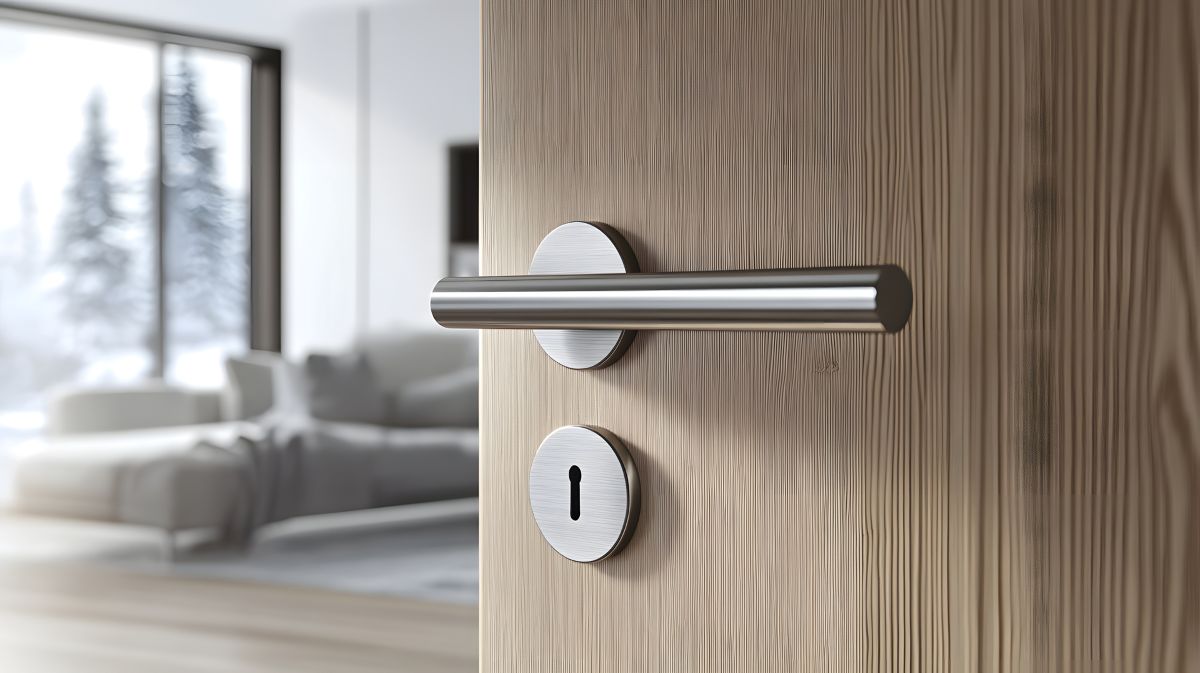
Internal doors typically use slightly smaller, more understated hardware. Lever lengths of 100-120mm suit most applications, providing comfortable operation without dominating the door.
For small spaces like bathrooms or cupboards, compact handles prevent the hardware feeling oversized relative to the door. A large lever on a narrow bathroom door looks disproportionate and might create clearance issues.
French Doors and Patio Doors
French doors and patio doors often use slimmer, more streamlined handles because they're operated frequently and need to look elegant in pairs. The handles should be substantial enough for comfortable operation but not so large they look heavy on doors that are often glazed.
Patio door handles specifically designed for these applications typically have longer backplates that span more of the door height, providing both aesthetic balance and structural support.
Measuring Your Existing Hardware
What to Measure Before Ordering
If you're replacing existing handles, measure the current hardware before ordering replacements:
- Backset - edge of door to centre of spindle hole
- Centres/PZ - spindle centre to cylinder centre (if applicable)
- Overall handle length
- Backplate or rose dimensions
- Screw hole spacing on backplates
Having these measurements ensures replacement handles will fit without door modifications. Even small discrepancies can create problems - a 2mm difference in backset might not sound significant, but it can prevent proper operation.
When Measurements Don't Match Standards
If your measurements don't match standard sizes, you have several options. Some manufacturers offer adjustable backset handles accommodating multiple measurements. Custom hardware can be made to specific dimensions. Alternatively, door modifications can adapt non-standard doors to accept standard handles.
Aesthetic Proportions
Matching Handle Size to Door Size
Beyond technical fit, handles should be proportional to the door. Large entrance doors suit substantial hardware. Small cupboard doors need compact handles. The relationship between door size and handle size affects overall appearance significantly.
As a general rule, lever handles shouldn't exceed about one-third of the door width. Anything larger starts looking disproportionate. Similarly, backplates or roses should relate proportionally to the door's overall dimensions.
Consistency Across Your Home
Whilst different door types might justify different handle sizes, maintaining some consistency creates visual harmony. Using wildly different handle sizes on adjacent doors looks disjointed even if each choice suits the individual door.
Many people choose a primary handle size for most internal doors, then vary only for entrance doors or where specific requirements dictate different sizing.
Getting It Right First Time
Door handle sizing combines technical requirements - ensuring the handle fits your door's existing preparation and mechanisms - with aesthetic considerations about proportion and visual impact.
At Brass Works, we offer door hardware choices for home renovations including detailed specifications for every product, showing backset options, centres measurements, overall dimensions, and compatibility information. If you're uncertain about sizing, providing your measurements allows us to confirm compatibility before you order.
Getting sizes right means your new handles fit properly, operate smoothly, and look proportional to your doors rather than creating the frustration of ordering beautiful hardware that doesn't actually work with your doors.