




10 Common Mistakes to Avoid When Choosing Door Handle

Choosing a door handle seems straightforward until you’re comparing dozens of shapes, finishes, mechanisms, and price points. The handle that looks fine on a product page can feel completely different once fitted, and that’s usually where people notice the mistakes they didn’t realise they’d made. Because hardware isn’t just decorative - it’s a daily touchpoint. It affects how a door performs, how the room feels, and how cohesive the home appears overall. Understanding the common pitfalls helps avoid the frustration of replacements, returns, and mismatched finishes later on.
Overlooking the Style of the Property
The biggest issue people run into is choosing a handle that has no relationship to the building’s overall style. Modern, angular levers rarely sit comfortably in a period property. Likewise, a traditional round knob looks out of place in a contemporary setting. The handle should work with the architecture, the doors, and the surrounding finishes. It doesn’t need to match every detail, but it should make sense within the space. When in doubt, look at your internal doors, woodwork profiles, and existing hardware to determine whether a modern, traditional, or transitional design is the right direction.
Choosing a Finish Without a Plan
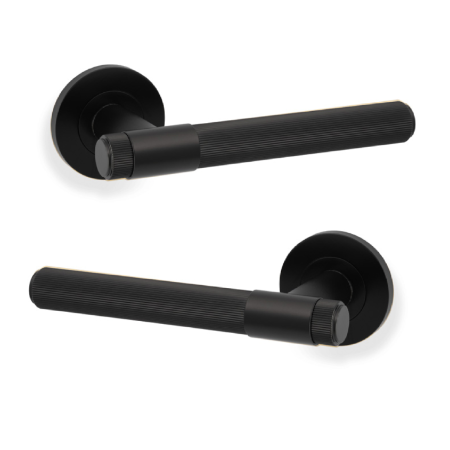
Finish affects how the handle appears in the room more than the shape does. People often choose based on personal preference alone, then realise later that it clashes with hinges, taps, lighting, or paintwork. A warm-toned interior pairs naturally with brass or bronze. Cooler, minimal schemes tend to suit black, stainless steel, or satin nickel. If you want consistency throughout the home, planning the finish before choosing the handle avoids mismatches. Our guide to choosing the right door handle colour over on our blog can help you narrow down options and support a more coordinated result.
Not Considering the Practical Feel of the Handle
A handle can look correct but perform poorly. Mechanisms vary significantly in quality. Some handles feel light, loose, or stiff from the start. Others have a smooth, solid action that lasts. Knobs require a grip not everyone finds comfortable, particularly in family homes. Levers are more accessible but only when the internal mechanism is well made. Because door hardware is used constantly, choosing based solely on appearance leads to issues later. Weight, movement, and construction matter just as much as aesthetics.
Selecting the Wrong Backplate or Rose Size
Backplates and roses seem like small details, but they influence the overall proportion of the door. A rose that’s too small can look lost on a wide, solid internal door. A large backplate on a slim door can dominate unnecessarily. If you’re replacing existing hardware, the plate or rose also needs to cover previous fixing holes. People often overlook this until installation day, which leads to visible marks or the need to fill and repaint the door. Checking measurements beforehand avoids the problem entirely.
Ignoring the Function of Each Door
Not all doors need the same type of hardware. Bathrooms and bedrooms usually require privacy locks. Cupboards often work better with latchless options. High-traffic rooms benefit from stronger internal mechanisms. A one-style-fits-all approach leads to practical issues, especially when functionality wasn’t considered at the time of purchase. Reviewing what each door needs ensures the hardware supports everyday use instead of complicating it.
Mixing Too Many Styles
Variety can work, but too many unrelated designs disrupt flow throughout the home. It’s common for people to choose handles on a room-by-room basis, not realising how much the overall consistency matters. Maintaining the same finish is usually the easiest way to achieve cohesion. If you want variation, keep either the shape family or the finish consistent while allowing subtle differences elsewhere. This approach keeps the design balanced without feeling repetitive.
Buying on Price Alone

A lower price point can be appealing, but cheap hardware rarely holds up. The finish often wears faster, the mechanism loosens, and the overall feel diminishes quickly. With something handled multiple times a day, quality has a noticeable impact. Higher-quality hardware isn’t about luxury; it’s about durability, smoother operation, and long-term performance. It’s one of the small upgrades that delivers ongoing value simply because of how often it’s used.
Forgetting to Check Door Thickness
Door thickness varies more than people expect, particularly between older properties and newer builds. Not all handles are designed to fit all thicknesses. Buying without checking leads to mechanisms that sit incorrectly or handles that feel loose even when installed correctly. A quick measurement before ordering prevents compatibility issues and ensures the handle operates as intended.
Mismatching Hinges and Additional Hardware
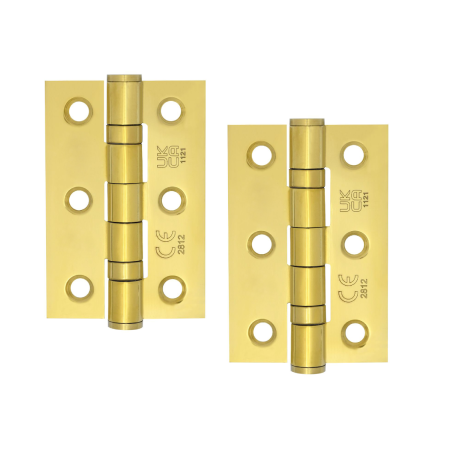
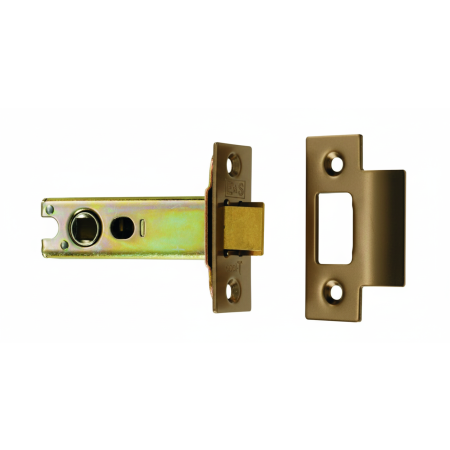
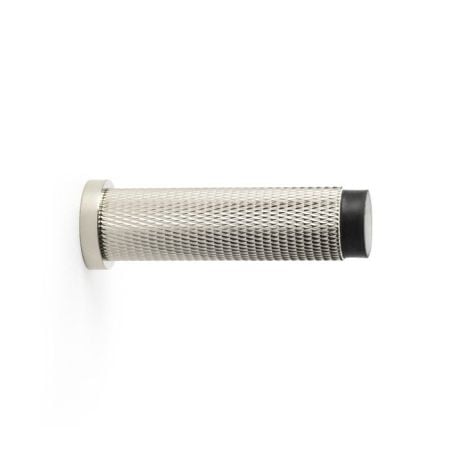
Handles don’t sit alone. Hinges, latches, bolts, and door stops all play a part in the final appearance. When finishes conflict, the door looks pieced together rather than considered. Matching every component isn’t essential, but keeping the main touchpoints aligned creates a far more cohesive result. If you’re using a brass handle, for example, pairing it with cool-toned hinges usually creates an unwanted contrast. Planning the door as a whole gives a cleaner, more intentional finish.
Not Thinking Long Term
A handle should support future interior decisions, not limit them. If you plan to update paint colours, flooring, or interior styling, choosing a finish that works across different directions is sensible. Similarly, if you’re replacing doors gradually, selecting a handle that suits both the current door style and potential future upgrades saves time and avoids unnecessary repurchases. Thinking ahead ensures the hardware remains suitable even as the home evolves.
The Final Check
Before committing, hold the handle against the actual door where it will be installed. Lighting, paint tone, and door proportions influence how it appears in the space. Seeing it in place often clarifies whether the finish and shape are right.
And if you're aiming for a higher level of refinement or long-lasting performance, take a look at our premium handle options for home upgrades. After all, the right handle doesn’t draw attention to itself - it simply feels correct every time it’s used.