




Door Knobs vs. Door Handles: Which Should I Choose?

The choice between door knobs and door handles seems simple, but it has a meaningful effect on how a room performs and how the home feels as a whole. Both options have strengths, and both suit different types of doors, interior styles, and practical needs. The right decision comes from understanding how each functions, how they fit into the architecture, and whether they align with the way the home is actually used.
Understanding the Practical Differences
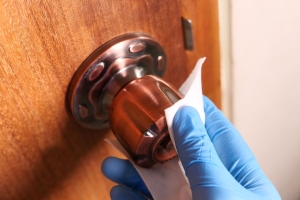
Door handles, particularly levers, offer easier operation. They require less grip strength, they’re more accessible for children and older adults, and they tend to provide smoother, quicker movement. A lever allows the door to open with a simple press, which is why they’re often used in busy or high-traffic areas. Door knobs demand a turning motion. It’s a smaller movement, but it requires more precision. Some designs can be difficult to grip if hands are wet or if the knob has a highly polished surface. This doesn’t make knobs impractical, but it does mean they’re better suited to quieter spaces where accessibility isn’t a concern.
How They Influence Interior Style
Knobs bring a sense of tradition and formality. They work naturally in period homes or in spaces where you want a softer, more classical aesthetic. They sit comfortably on panelled doors and often look best in warm finishes like antique brass or polished brass. Handles, especially contemporary levers, suit modern architecture.
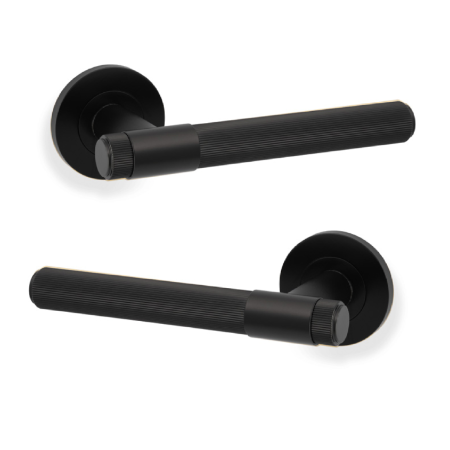
Their cleaner, linear profile works with simple door designs and spaces with minimal detailing. A matte black lever, for example, creates definition on a neutral door and offers a modern contrast that feels intentional. For homes with a strong contemporary direction, our sleek dark-finish hardware for modern doors are a fantastic option.
Considering the Shape and Proportions of the Door
The door itself influences which hardware works best. Large, heavy internal doors are usually better supported by a handle, which distributes force more effectively. Slimmer doors or doors in older properties often look more balanced with knobs, particularly if the existing hardware historically used them. Panel spacing also plays a role. Some traditional doors have panel layouts where a knob sits more naturally within the design lines. On flush or modern doors, levers tend to integrate more seamlessly.
Functionality Across Different Rooms
Bathrooms and bedrooms typically require privacy functions, and both knobs and handles offer this option. However, lever handles often provide easier, more reliable locking mechanisms, especially when combined with a thumb turn. Rooms with frequent use - kitchens, living rooms, utility spaces - usually benefit from levers simply because of their practicality. Knobs are often chosen for aesthetic reasons rather than functional ones and tend to work best in quieter areas like studies, guest rooms, or formal spaces where the added visual detail is welcome.
Accessibility and Ease of Use
If accessibility is a priority, handles are the clear choice. They comply with modern standards more easily and provide a straightforward operation that doesn’t require strength or dexterity. Knobs, while still suitable for many homes, aren’t the most user-friendly option in households with young children, elderly residents, or anyone with mobility or grip concerns. When choosing hardware for rental properties or multi-user environments, handles consistently offer better long-term practicality.
Durability and Maintenance Considerations

Both knobs and handles can last for decades when made from quality materials and installed correctly. However, handles tend to show wear differently. Because the user presses them down rather than twisting them, the mechanical action is more predictable and often smoother over time. Knobs rely on rotational movement, which means the internal mechanism must handle torque regularly. This isn’t inherently a weakness, but cheaper knobs often loosen faster or develop play around the spindle. Regardless of style, quality construction matters more than the shape itself.
How Finish Affects the Final Decision
Finish can shift the direction entirely. A simple knob in a modern finish can feel more contemporary; a slim lever in warm brass can support a traditional scheme. It isn’t just about shape. It’s about how that shape interacts with colour, sheen, and surrounding materials. Black finishes continue to be a strong choice for modern homes due to their clean, architectural presence. Brass remains popular in both traditional and transitional interiors because it brings warmth and depth. Stainless steel and nickel sit comfortably in minimal, practical spaces.
When Knobs Make More Sense
Knobs make the most sense in period properties, especially those retaining original doors or traditional joinery. They also work well in spaces where you want hardware to feel discreet. Knobs naturally draw less visual attention than levers. In homes with detailed skirting, architraves, or door paneling, knobs often blend into the detail rather than competing with it.
When Handles Are the Better Choice
Handles are ideal for busy households, modern interiors, and homes where function takes priority. They’re easier to operate, they support a wider range of door styles, and they allow for more variation in design. Handles are also preferred when you want a defined, streamlined look - particularly on flush or contemporary doors where the linear shape complements the architecture.
Why Choose Brass Works
At Brass Works, we specialise in high-quality hardware designed for long-term performance. Every product is selected for durability, reliability, and precise construction, ensuring smooth operation and consistent finish quality.
Our range supports both modern and traditional properties, with options suited to private homeowners, trade clients, and large-scale projects. We provide clear, practical guidance to help you choose hardware that aligns with the door type, interior style, and functional needs of your space. Whether you’re fitting a single room or updating an entire property, the focus remains on quality, accurate information, and products that meet the highest standards.
Making the Right Decision for Your Home
The choice between knobs and handles isn’t about trends - it’s about how you use the space, how the hardware complements the architecture, and how it performs over time. Take a moment to consider who will use the door, how often, and what design direction you want the home to reflect. If your interior leans modern, or if ease of use is a priority, levers are likely the right fit. If you favour a period aesthetic or want a more understated look, knobs may be the better option.