




How to fix common problems with door handles and locks

Troubleshooting Common Door Handle & Lock Problems
Even the best-made door furniture can develop issues over time. Daily use, seasonal changes in timber, and simple wear can all affect how handles, locks and hinges perform. The good news? Most problems have straightforward fixes. Below, we explore the most common door handle and lock problems, their likely causes, and how to put them right - without compromising on finish or style.
1. Handles Becoming Loose
The problem: Handles that wobble in the hand or sag when released.
Causes:
- Fixing screws loosening through daily use.
- The grub screw (small side screw securing the spindle) working loose.
- Inferior fixings on cheaper hardware.
The fix:
- Check and tighten the visible screws securing the handle to the door.
- Use a screwdriver, not a drill, to avoid stripping threads.
- Tighten the grub screw with the correct Allen key or screwdriver.
If it is a door handle on rose, has the SPS screw been installed correctly?
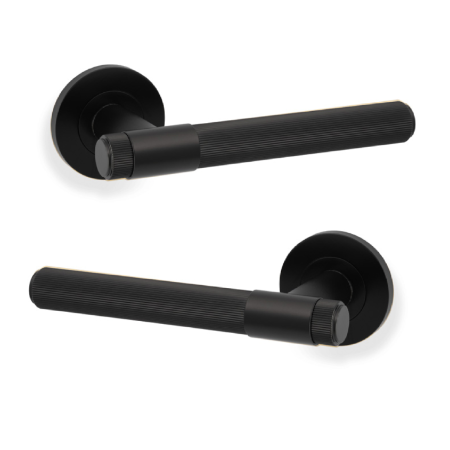
If the handle continues to sag, the internal spring mechanism may have worn - replacing with a sprung lever set ensures durability.


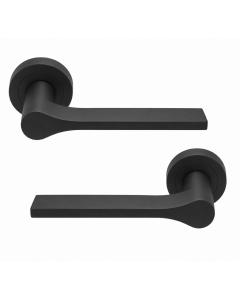


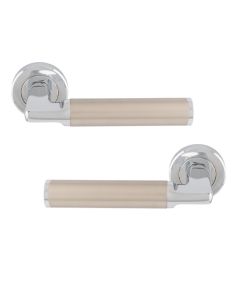


2. Locks Binding or Feeling Stiff
The problem: The key is difficult to turn, or the lock seems to “catch” when operated.
Causes:
- Dirt or dust inside the cylinder.
- Lack of lubrication.
- Timber movement (seasonal swelling) misaligning latch and strike plate.
- Over-tightened screws distorting the lock case.
The fix:
- Avoid oil-based sprays that attract dust; use a specialist lock lubricant or graphite powder.
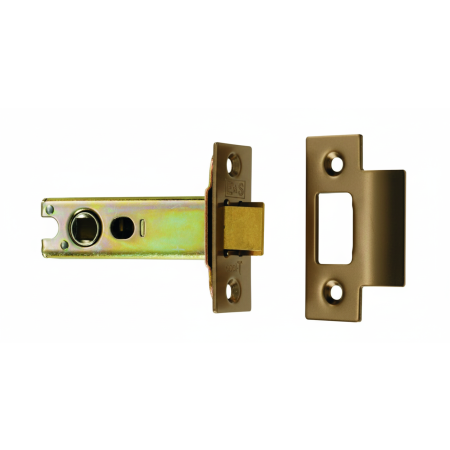
- Check alignment: if the latch bolt doesn’t enter the keep smoothly, adjust the strike plate.
- Loosen screws slightly if the case is pinched.
If wear is advanced, upgrading to a quality mortice lock or euro profile case ensures smooth operation long-term.


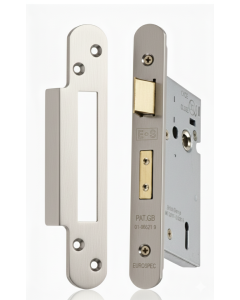


3. Hinges Squeaking
The problem: Annoying squeaks whenever the door is opened or closed.
Causes:
- Friction between hinge knuckles due to dryness.
- Build-up of dust or paint around the hinge.
- Misaligned or overstrained hinge pins.
The fix:
- Apply a light graphite spray or silicone lubricant to the hinge pin.
- Work the door back and forth to spread evenly.
- For persistent noise, remove the hinge pin, clean, and re-lubricate.
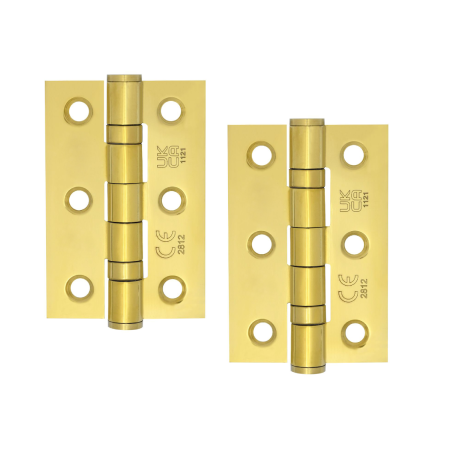
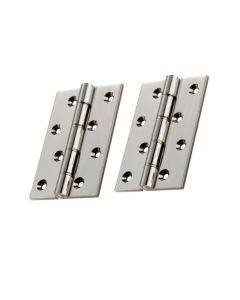
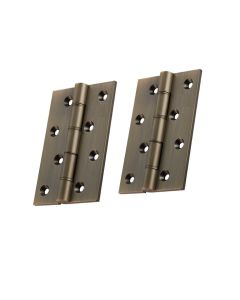
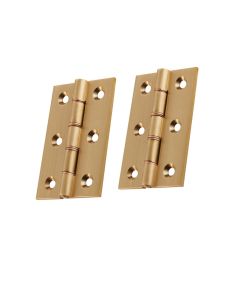
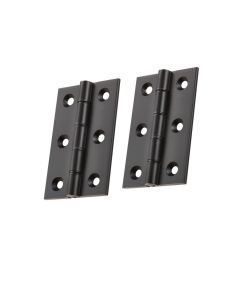
If hinges are rusting or warped, replace with a solid brass or stainless steel hinge in a matching finish for a silent swing.






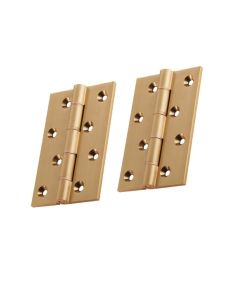







4. Door Sagging or Catching on the Floor
The problem: The door drags along the floor or won’t close smoothly.
Causes:
- Loose hinge screws causing the door to drop.
- Hinges undersized for the weight of the door.
- Timber swelling in humid conditions.
The fix:
- Tighten hinge screws and, if necessary, use longer screws that bite into the stud frame rather than just the door lining.
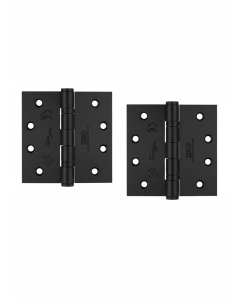
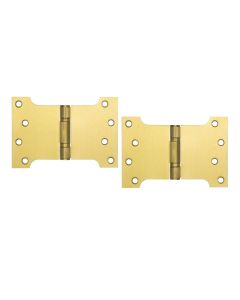
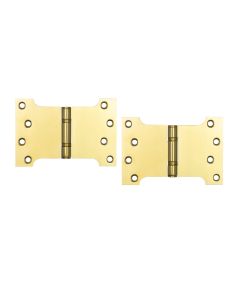
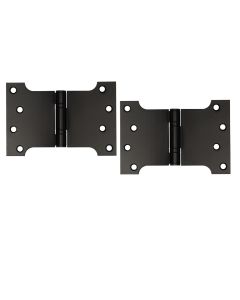
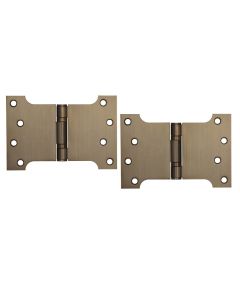
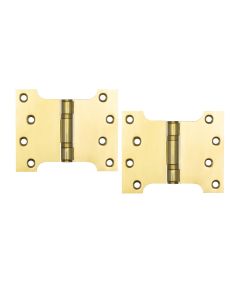
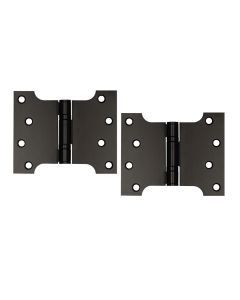
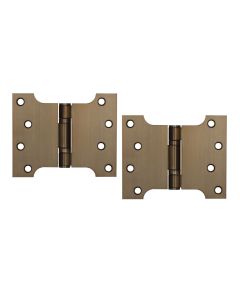
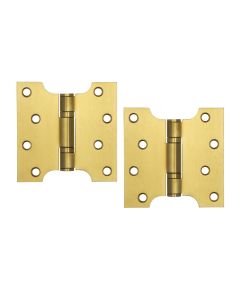
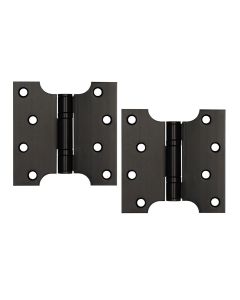
- Upgrade to ball bearing hinges for heavy or frequently used doors.
- Plane the door slightly if seasonal swelling is the culprit.









5. Latch Not Engaging Properly
The problem: The handle operates, but the latch doesn’t “catch” in the keep.
Causes:
- Misaligned strike plate due to door movement.
- Worn latch bolt.
- Handle spindle not turning the latch fully.
The fix:
- Re-align or reposition the strike plate.
- Replace the latch mechanism if worn.
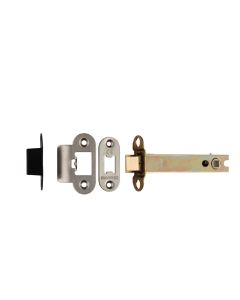
- Upgrade to a tubular latch, which is precision-engineered for long life and smooth action.


6. Key Snapping in the Lock
The problem: A broken key stuck inside, leaving the lock unusable.
Causes:
- Worn keys or poor-quality blanks.
- Dirt or stiffness inside the lock putting pressure on the key.
- Attempting to force the key when alignment is off.
The fix:
- Extract the broken piece with specialist pliers or a key extractor.
- Lubricate the lock to prevent recurrence.
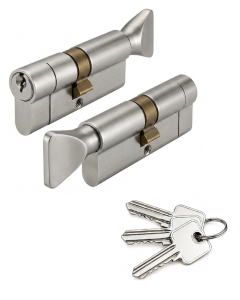
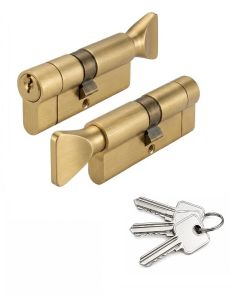
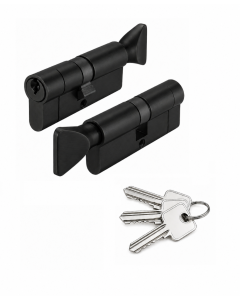
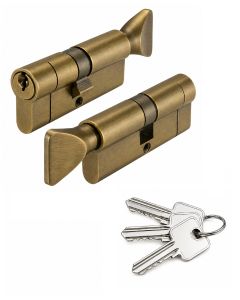
- Replace worn cylinders with a euro cylinder or mortice lock, cut with new keys to precise tolerances.







Preventative Maintenance Tips
Annual check-up: Tighten screws and grub screws annually across your door furniture.
Lubrication: Use silicone spray or graphite annually on locks and hinges - never oil.
Finish care: Brass, bronze and nickel finishes can be lightly polished with non-abrasive cloths; unlacquered brass will naturally patinate.
Fit for purpose: Choose hinges and latches rated for door weight and traffic - under-specifying leads to problems later.
When to Replace Rather Than Repair
Sometimes, the most effective fix is a new piece of hardware. Signs it’s time to replace:
Internal springs inside handles have failed.
Lock cylinders are visibly worn or security is compromised.
Hinges have warped or corroded beyond lubrication.
Brass Works stocks high-quality door handles,door knobs, locks and hinges in a wide range of finishes - from satin brass and antique bronze to satin nickel and matt black - ensuring your replacement not only solves the issue but elevates the look of your doors.
Good quality door furniture lasts longest
Door furniture works hard every day. With a little maintenance and the right hardware choices, common problems like loose handles, binding locks, and squeaky hinges can be resolved quickly. For reliable replacements and finish-matched upgrades, Brass Works’ stock ensures you’ll find the perfect solution for both function and style.