

Period homes have a character that can be difficult to replicate in newer properties. From original timber doors and decorative mouldings to ornate fireplaces and ceiling roses, architectural details help tell the story of a building. Choosing the right hardware is an important part of preserving that character, and brass remains one of the most appealing options.
Whether you are restoring a Georgian townhouse, updating a Victorian terrace or refreshing an Edwardian property, brass hardware is one of the most popular finishes for period properties, because they share a natural connection that goes beyond appearance. Brass offers a range of finishes, styles and practical benefits that make it suitable for both sympathetic restorations and more contemporary interpretations of traditional interiors.
Here are five reasons brass continues to be a favourite for period properties, along with advice on choosing fittings that complement your home's age and style.
The Enduring Appeal Of Brass In Period Homes
Brass has a long history in domestic architecture, appearing in door knobs, locks, knockers, hinges and decorative fittings across different periods. Its warm, golden tones work particularly well with natural timber, painted panelling and the rich colours often found in traditional interiors.
However, choosing brass is not simply about recreating an old-fashioned look. Modern manufacturing offers a wide selection of designs and finishes, making it possible to respect a property's heritage without compromising on everyday functionality.
Reason 1: Historical Authenticity And Heritage Appeal
One of the strongest arguments for choosing brass is its association with traditional British interiors. Brass fittings have featured in homes for centuries, with different designs becoming popular across the Georgian, Victorian and Edwardian periods.
Georgian interiors often favour understated elegance, making simple brass knobs and restrained decorative details a natural fit. Victorian properties may suit more elaborate backplates, rim locks and decorative door furniture, while Edwardian homes can accommodate both traditional polished brass and more refined, understated designs.
Matching the hardware to the property's architectural period can help create a more convincing finish. A contemporary lever handle might work perfectly in a renovated interior, but a traditional knob or backplate can feel more appropriate on an original panelled door.
Authenticity Does Not Mean Everything Must Be Original
Restoring a period property rarely means preserving every fitting exactly as it was. Some original hardware may be missing, damaged or unsuitable for modern use. Reproduction designs offer a practical way to achieve a heritage-inspired appearance while introducing fittings that meet your current needs.
The key is to consider the door's proportions, the surrounding architectural details and the overall style of the property. Hardware that looks appropriate for the building will usually create a more harmonious result than choosing fittings based on appearance alone.
Reason 2: Durability That Suits Older Doors
Period doors often remain in service for decades, so replacing their hardware with fittings designed for regular use makes practical sense. Quality brass hardware can offer good durability, particularly when the product is made from solid brass and manufactured to a suitable standard.
Brass is an alloy of copper and zinc. Unlike ordinary iron or steel, brass does not develop red rust in the same way, although its surface can tarnish and its condition will still depend on the environment, finish and level of care.
This makes brass an appealing option for frequently used internal doors, as well as selected external door furniture designed for the relevant exposure. Solid brass components can also be maintained over time, helping extend their useful life.
Check The Material, Not Just The Colour
Not every fitting described as brass is made entirely from brass. Some products use a different base metal with a brass-coloured plating or surface finish. These can look similar when new, but the materials and their long-term wear characteristics may differ.
When selecting traditional brass hardware, check the product description to establish the material and finish. Consider the quality of the latch, hinges and other working components as well as the visible handle. A decorative fitting is only part of the overall door assembly, and its performance depends on the suitability of the complete set.
Reason 3: Ages Gracefully With Character Over Time
Part of brass's appeal is the way its appearance can change as it ages. Unlacquered brass can develop a patina through exposure to air, moisture and regular handling. This gradual change may deepen the colour and create subtle variations across the surface.
In a period home, that evolving appearance can feel particularly appropriate. Rather than looking out of place as the surrounding timber and interior finishes age, brass can develop a character that complements the property's lived-in atmosphere.
However, a natural patina is a matter of personal preference rather than an automatic advantage. Some homeowners appreciate the softer, darker tones that develop over time, while others prefer the bright, reflective appearance of polished brass.
Choose A Finish That Matches Your Maintenance Preferences
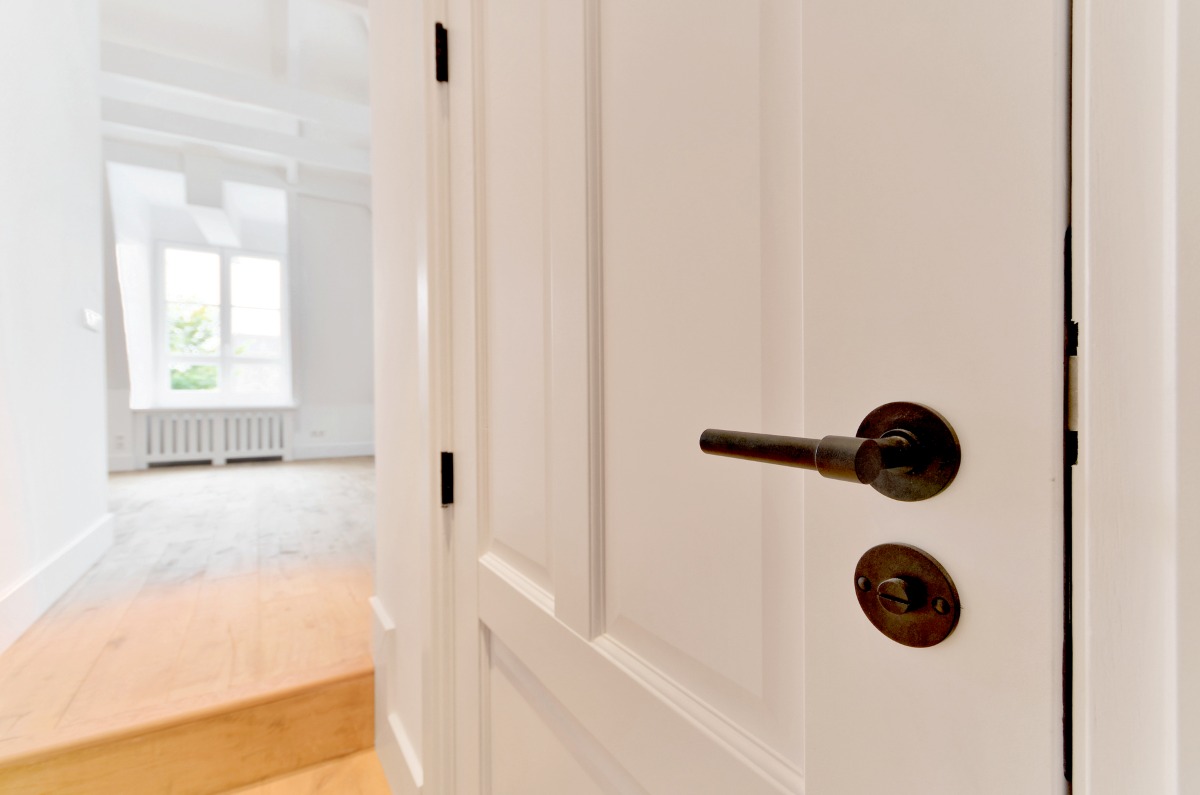
Different brass finishes require different levels of care. Unlacquered brass generally changes more noticeably, while lacquered brass has a protective coating intended to preserve its original appearance. Coatings can wear or become damaged, so follow the manufacturer's cleaning advice rather than assuming every brass fitting can be polished in the same way.
For a naturally aged look, avoid repeatedly polishing away the patina unless that is the appearance you want. For brighter finishes, regular gentle cleaning may be more suitable. In either case, avoid abrasive products or harsh chemicals that could damage the surface.
Reason 4: Complements Traditional Architectural Details
Brass works particularly well alongside the materials and decorative features found in period homes. Its warm colour can complement oak doors, dark timber floors, painted skirting boards, marble fireplaces and traditional cabinetry without competing for attention.
It is also versatile enough to suit different rooms. Brass handles can bring continuity to internal doors, while matching or complementary fittings on cupboards, drawers and entrance doors help create a considered design scheme.
The important point is not to match every metal surface indiscriminately. Instead, look at the overall palette and identify which details should stand out. A warm brass handle can provide a subtle contrast against a deep green door, for example, while polished brass may introduce a brighter accent to a pale hallway.
Coordinate Hardware With The Property's Era
Architectural details can guide your choice. Panelled doors, decorative architraves and ornate mouldings may suit traditional knobs or handles with more elaborate backplates. Simpler door designs may benefit from restrained brass levers that introduce warmth without overwhelming the space.
Cabinet hardware also deserves attention, particularly in kitchens and utility rooms where modern cabinetry may sit alongside original features. Choosing complementary finishes can connect old and new elements without requiring every fitting to be identical.
Reason 5: Versatile Across Different Brass Finishes
Brass is not limited to one golden colour or a single traditional appearance. Different finishes can produce noticeably different effects, allowing you to tailor the hardware to the property and your personal taste.
Common options include:
- Polished brass: Bright and reflective, making it suitable for formal interiors and homeowners who appreciate a classic, decorative finish.
- Satin brass: Softer and less reflective, offering a more understated appearance that can work well in updated period homes.
- Antique brass: Generally darker and more aged in appearance, making it a natural choice for heritage-inspired interiors.
- Aged brass: Designed to provide a more subdued, lived-in look, although the precise colour and texture vary between products.
- Unlacquered brass: Allows the surface to develop a natural patina over time, appealing to homeowners who prefer evolving character.
Bear in mind that finish names are not always standardised across manufacturers. Two products described as antique brass may have different tones, so compare actual product images and specifications before purchasing several fittings for the same property.
Balance Consistency With Individuality
Using one brass finish throughout a home can create a cohesive look, particularly where several doors are visible from the same hallway. However, it is possible to combine finishes thoughtfully, especially in larger properties with distinct interior schemes.
For example, you might choose polished brass for a formal entrance and a softer satin finish in a contemporary kitchen extension. The result should feel intentional, with enough visual connection between spaces to avoid a disjointed appearance.
Choosing The Right Brass Hardware For Your Property
The best choice depends on more than the age of your home. Before ordering, consider the door's design, the function of the room, your preferred level of maintenance and the hardware already installed elsewhere.
Brass Works offers a selection of brass door handles in different styles and finishes, including traditional knobs and contemporary lever designs. You can learn more about the available options when deciding which fittings might suit your property.
Before making a final decision, check the following:
- Style: Does the handle complement the door and the property's architectural features?
- Material: Is the fitting made from solid brass or another material with a brass-coloured finish?
- Function: Does the hardware provide the right latch, lock or privacy mechanism for the door?
- Compatibility: Will the new fittings work with the existing door thickness, fixing positions and mechanism?
- Maintenance: Are you happy to maintain a polished appearance or allow an unlacquered finish to develop a patina?
If your property has original doors or specialist fittings, measure carefully and check compatibility before replacing anything. Older doors may have non-standard dimensions, and altering them unnecessarily can damage original features. Where a door has fire-resistance or security requirements, ensure replacement components remain suitable for the intended use.
Ultimately, brass hardware period homes can benefit from is hardware chosen with the property's character and practical requirements in mind. The right fittings can bring warmth, durability and a sense of continuity to an interior, whether you are carrying out a careful restoration or giving a traditional home a more contemporary finish.
FAQs
Is brass hardware suitable for every period property?
Brass suits many Georgian, Victorian and Edwardian interiors, but the best choice depends on the property's original features and your preferred style. Some homes may be better complemented by black iron, nickel or other traditional finishes.
What is the best brass finish for a Victorian house?
Polished brass can suit formal Victorian interiors, while antique brass offers a more subdued, aged appearance. Consider the door design, existing fittings and overall colour scheme before deciding.
Does brass hardware tarnish over time?
Unlacquered brass can develop a natural patina through exposure to air and handling. Lacquered finishes are designed to limit these changes, although their protective coating can wear over time.
Is solid brass better than brass-plated hardware?
Solid brass and brass-plated products have different material compositions and wear characteristics. Solid brass can be a durable option, but overall quality, construction and suitability for the intended use also matter.
Can I use brass handles on modernised period doors?
Yes. Brass works well with both traditional and contemporary door designs. Simple lever handles and satin finishes can suit updated interiors, while decorative knobs and antique finishes may provide a stronger heritage look.
Should all the hardware in a period home match?
Not necessarily. Using a consistent finish can create visual harmony, but carefully chosen variations can work across different rooms. Aim for a coordinated scheme rather than matching every fitting without considering its surroundings.


