
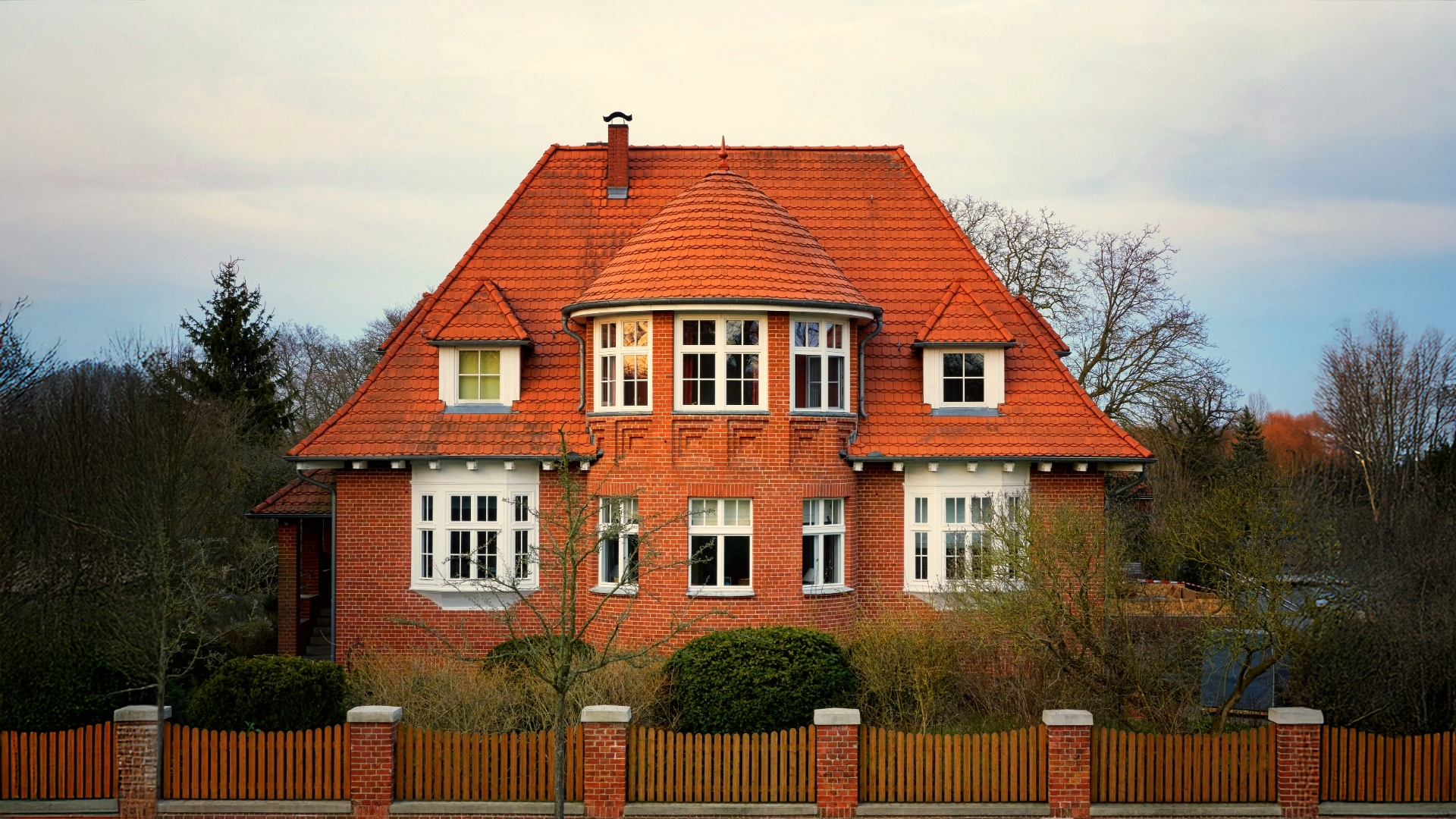
The Most Popular Finishes for Home Hardware in Period Properties
If you’re lucky enough to have purchased or inherited a period property that’s in need of restoration, you’re probably dead set on maintaining the right aesthetic. Few details matter more than your choice of finish on door furniture and cabinet fittings, whether you’re fixing up a Georgian townhouse or a Victorian terrace. The right hardware finish can enhance the character of your home and subtly anchor it in the correct historical context.
Here’s a guide to some of the most suitable finishes for period homes across the UK, with tips on where and how to use them for the most authentic effect.
Antique Brass
Best for: Georgian and early Victorian properties
Typical use: Door handles, knobs, letterplates, escutcheons, drawer pulls
Antique brass is a perennial favourite for period interiors. Its warm, aged tone complements older timber doors beautifully and works particularly well in hallways and drawing rooms. The soft patina gives the impression of long service and quiet grandeur, making it a go-to for Georgian homes and any setting aiming for understated elegance.
Look for unlacquered versions if you want the finish to continue ageing naturally over time.
Polished Brass
Best for: Regency, Victorian and Edwardian homes
Typical use: Front door furniture, internal door knobs, cabinet knobs
Polished brass has long been associated with formality and status. In Victorian and Edwardian periods, highly polished brass was common on front doors - think centre door knobs, ornate letterplates, and boot scrapers on the porch.
Inside, it was frequently used on knobs and rim locks. While it needs regular polishing to maintain its shine, its impact is second to none. For lower maintenance, lacquered versions are available - though as with antique brass, purists may prefer the way traditional brass ages over time.
Aged Bronze
Best for: Arts & Crafts and Edwardian homes
Typical use: Lever handles, casement fasteners, cabinet pulls
Aged or oil-rubbed bronze gives a rich, darker alternative to brass. It suits late-period properties that began to embrace moodier, more textured finishes. The finish evolves subtly with use, developing highlights where it’s touched most often.
It pairs well with darker wood tones and is especially popular for the handles and fittings in kitchens, where it brings warmth and contrast to painted cabinetry.
Polished Nickel
Best for: Edwardian, Art Deco and early 20th-century homes
Typical use: Bathroom fittings, cabinet knobs, door handles
For a cooler, more refined look than brass, polished nickel offers a high-shine silver tone with just a hint of warmth. It was a popular choice during the turn of the century, often appearing in bathrooms, kitchens and more modernised spaces in period homes.
Unlike chrome, it’s less clinical, making it ideal for heritage settings that still want a touch of glamour. Nickel works especially well when paired with marble, white tiles, or dark cabinetry.
Black Iron / Beeswax Finish
Best for: Cottages, Tudor and farmhouse-style properties
Typical use: Thumb latches, hinges, bolt locks, cupboard catches
Wrought black iron hardware with a beeswax or powder-coated finish is a natural fit for rustic properties and exposed timber interiors. It’s a staple of country homes and historic cottages, especially on ledged and braced doors.
Black iron is particularly striking on pale or lime-washed wood and is often chosen to match traditional cast iron radiators or period light switches.
Satin Chrome and Brushed Nickel
Best for: Mid-century and transitional properties
Typical use: Kitchen and bathroom hardware, cupboard pulls, modernised door handles
Though less common in strictly traditional settings, satin chrome and brushed nickel have gained ground in period renovations that aim for a transitional or updated aesthetic. They offer a clean, contemporary look without the glare of polished metal.
These finishes are most appropriate in areas of the home where traditional styling gives way to practical updates - think converted lofts, updated kitchens, or newly fitted bathrooms.
Tips for Choosing the Right Finish:
- Match or Complement: In smaller homes, it’s often best to stick to one or two hardware finishes for cohesion. In larger homes, you can use finishes to define the function or formality of different spaces.
- Respect the Era: Research the period your home was built in - you might find a wealth of ideas, and it’ll give you a strong grip on what the house was intended to look like when it comes to hardware.
- Think About Patina: Unlacquered finishes will develop character over time, whereas lacquered or modern coatings will stay consistent. The aged look isn’t for everyone, so you need to think about what you want the end result to look like.
- Don’t Forget Cabinet Hardware: Small knobs and pulls may seem insignificant, but in kitchens and bathrooms they can either disrupt or enhance your aesthetic. Matching cupboard knobs to your door hardware helps to tie the room together, and there will be options that are closer to and further from the correct look for the period.
From antique brass to black iron, the right hardware finish can elevate a room and strengthen the identity of a period property. Whether you’re aiming for museum-worthy authenticity or a balanced mix of old and new, thoughtful hardware choices are one of the simplest and most satisfying ways to do justice to your home’s heritage.
We stock a wide range of door hardware in all kinds of styles and finishes. Take a look today to find the right pieces for your home.


