
For years, interior design advice centred around matching every metal finish throughout a room. If your taps were chrome, your handles, lighting, and accessories were expected to follow suit.
Today, designers take a different approach. Mixing metal finishes has become one of the most effective ways to add depth, character, and visual interest to a space. When done well, it creates a more considered and layered interior rather than one that feels overly coordinated or flat.
The key is understanding how different metals work together and knowing where consistency still matters.
Why Mix Metal Finishes?
Using a single finish throughout an entire property can sometimes create a predictable look. Introducing a second or third metal allows you to create contrast and highlight specific features within a room.
Different finishes can also help bridge design styles. For example, polished brass can introduce warmth to a contemporary kitchen, while matte black hardware can add a modern edge to a more traditional space.
Mixing metals successfully is not about combining finishes randomly. Instead, it involves creating balance so each finish feels intentional.
Start With a Dominant Finish
The easiest way to approach mixed metals is to choose one primary finish that will appear most frequently throughout the room.
This dominant finish often comes from larger fixed elements such as:
- Door handles
- Cabinet hardware
- Taps
- Shower fittings
- Lighting fixtures
Once you establish a primary finish, you can introduce one or two secondary finishes as accents.
For example:
- Brass handles paired with black lighting
- Satin nickel taps combined with brass accessories
- Black door hardware complemented by bronze furniture details
Having a dominant finish helps prevent the space from feeling visually chaotic.
Understand Warm and Cool Metals
Metal finishes generally fall into two categories.
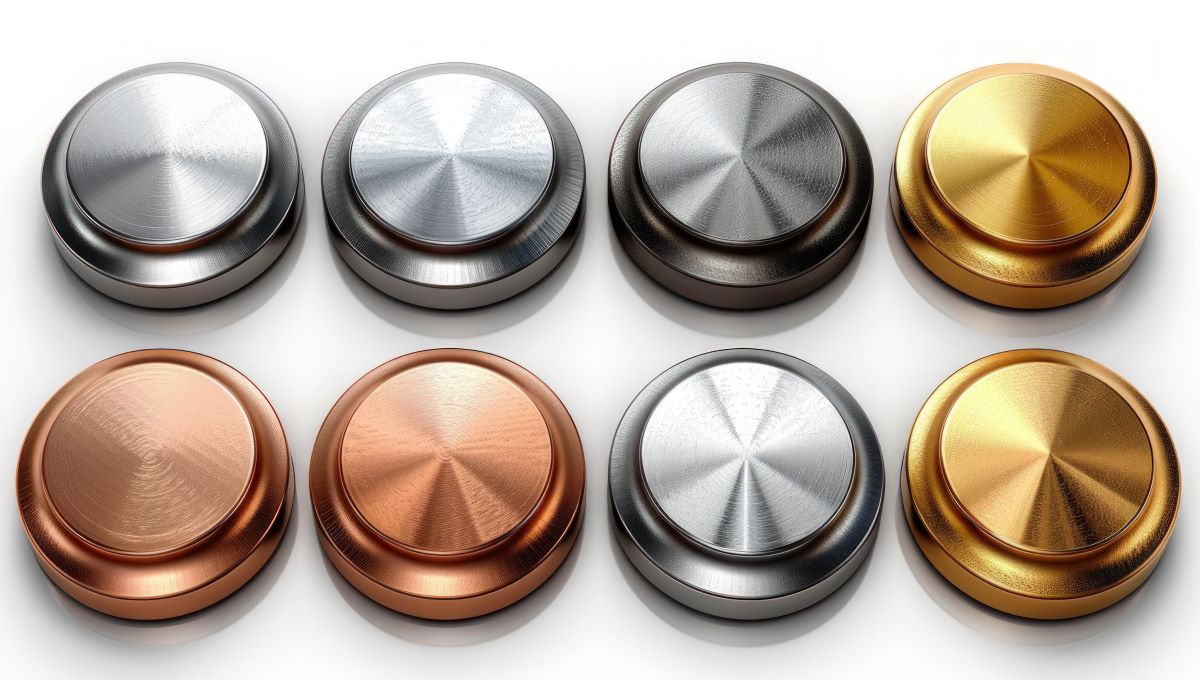
Warm Metals
Warm-toned metals include:
- Brass
- Antique brass
- Bronze
- Copper
These finishes tend to create a welcoming and inviting atmosphere.
Cool Metals
Cool-toned metals include:
- Chrome
- Polished nickel
- Satin nickel
- Stainless steel
These often create a cleaner and more contemporary appearance.
Mixing warm and cool finishes can work exceptionally well when there is a clear reason behind the contrast. For example, warm brass cabinet handles can soften the appearance of stainless steel kitchen appliances.
Follow the 70/30 Rule
Many designers use a simple guideline when mixing finishes.
Aim for approximately:
- 70% dominant finish
- 30% secondary finish
This creates enough contrast to be interesting without making the room feel disjointed.
For instance, in a bathroom with predominantly brushed brass fittings, you might introduce black-framed mirrors, black wall lights, or black cabinet handles as supporting accents.
The dominant finish remains visually strongest while the secondary finish provides definition.
Repeat Each Finish More Than Once
One of the most common mistakes when mixing metals is introducing a finish only once.
If a room contains a single black light fitting surrounded entirely by brass hardware, it may appear accidental rather than intentional.
Instead, repeat each finish in at least two or three locations throughout the space.
For example:
- Brass taps
- Brass cabinet handles
- Brass shelving brackets
Combined with:
- Black wall lights
- Black mirror frame
- Black door hardware
Repeating finishes creates visual rhythm and helps tie the room together.
Consider the Function of Each Element
A practical way to mix metals is by grouping finishes according to function.
For example:
- Door handles and architectural hardware use one finish
- Lighting uses another
- Decorative accessories introduce a third
This creates a logical design structure that feels cohesive even when multiple finishes are present.
Many homeowners find success by selecting one finish for frequently touched hardware and another for decorative features.
Mix Finishes, Not Styles
While combining metals can add character, mixing completely different design styles often causes problems.
A sleek contemporary black lever handle may not sit comfortably alongside highly ornate traditional brass fittings.
When choosing different finishes, try to keep the overall design language consistent.
For example:
- Contemporary brass handles with contemporary black lighting
- Traditional bronze hardware with traditional aged brass accents
The finish can vary, but the overall style should remain aligned.
Use Metal Finishes to Create Focal Points
Mixed metals can help draw attention to key design features.
In a kitchen, statement pendant lights in a contrasting finish can create a focal point above an island.
In a bathroom, distinctive mirror frames or taps can become visual highlights against more understated surrounding hardware.
This approach works particularly well when one finish is used sparingly for emphasis rather than throughout the entire room.
Know Where Consistency Matters
Although mixing metals is encouraged, complete inconsistency can make a home feel disconnected.
This is particularly true when moving between rooms.
Maintaining some degree of continuity with architectural hardware often creates a more polished result. Homeowners looking for guidance on matching hardware finishes throughout the home should consider how door handles, hinges, and other permanent fixtures contribute to the overall flow of the property.
A consistent approach to these core elements provides a strong foundation while still allowing decorative finishes to vary from room to room.
Choosing the Right Hardware for Mixed Metal Schemes
Door hardware often acts as the anchor for a room's overall design scheme. Because it appears throughout the property and is used daily, it plays an important role in establishing visual consistency.
Whether you prefer brass, bronze, black, or nickel finishes, investing in high-quality hardware helps ensure your chosen finish complements the wider interior design. For homeowners seeking stylish fittings for every room, selecting hardware that balances durability with aesthetic appeal can help create a cohesive design that supports both traditional and contemporary interiors.
Final Thoughts
Mixing metal finishes is one of the simplest ways to make an interior feel more layered and thoughtfully designed. By choosing a dominant finish, repeating metals throughout the space, and maintaining a consistent design style, you can create contrast without sacrificing cohesion.
The most successful schemes feel intentional rather than perfectly matched. When balanced correctly, mixed metals add depth, character, and flexibility, allowing your home to feel both timeless and personal.


