
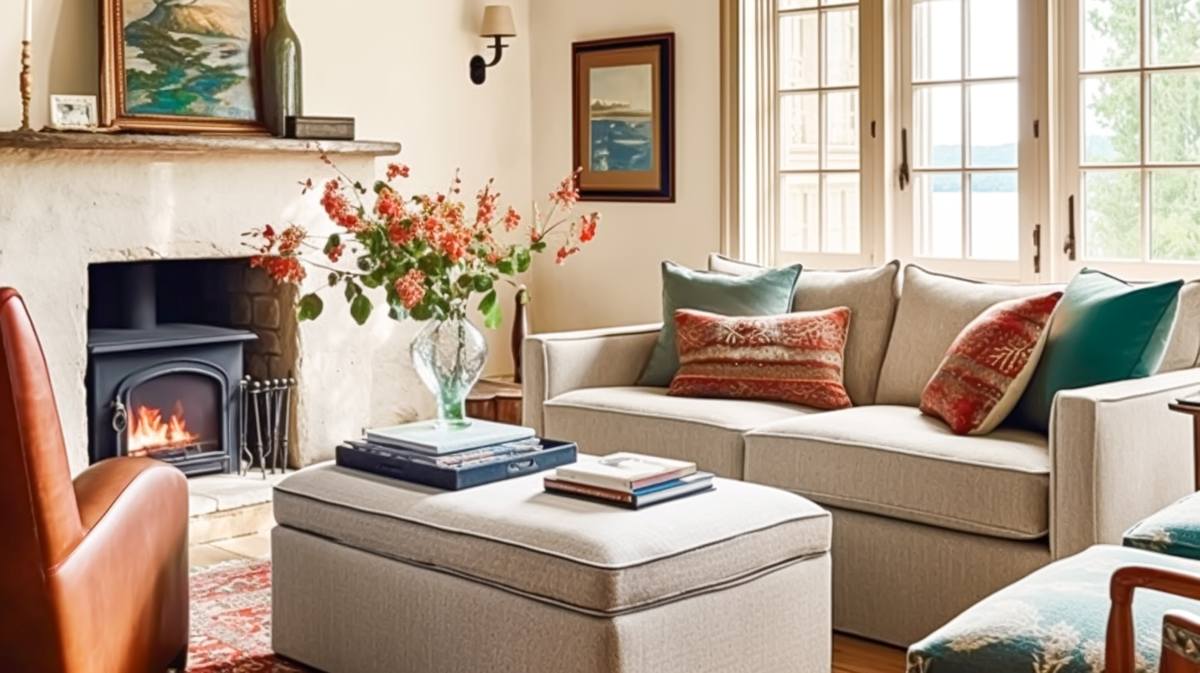
Most rooms reach a point where all the major decisions have been made.
The walls are painted, the furniture is in place, the flooring is finished, and the lighting has been installed. Yet something still feels incomplete.
This is a common challenge in interior design. A room can contain all the essential elements and still lack the sense of cohesion that makes it feel finished.
Often, the difference comes down to the smaller details. Finishing touches help connect the various elements within a space, creating a room that feels considered rather than merely assembled.
Here are ten finishing touches that can make almost any room feel complete.
1. Consistent Hardware
One of the most overlooked details in interior design is hardware.
Door handles, cabinet pulls, hinges, and other fittings appear throughout a room, influencing how the space feels both visually and practically.
When hardware styles and finishes are coordinated, the room immediately feels more intentional. Inconsistent finishes or mismatched fittings can have the opposite effect, making the design feel fragmented.
Because these details appear repeatedly throughout the home, their impact is often greater than many people realise.
2. Proper Window Treatments
Bare windows can leave a room feeling unfinished, even when the rest of the design is complete.
Curtains, blinds, or shutters help frame the space while adding softness, texture, and visual balance. They also contribute to privacy and light control, making the room more comfortable to use.
The key is ensuring that window treatments feel proportionate to the room and complement the overall design rather than competing with it.
3. Layered Lighting
Many rooms rely too heavily on a single ceiling light.
A finished space typically includes multiple sources of light working together. Floor lamps, table lamps, wall lights, and accent lighting create depth and allow the atmosphere to change throughout the day.
Layered lighting also highlights architectural features and helps different areas of the room serve distinct purposes.
The result is a space that feels warmer and more inviting.
4. Thoughtful Artwork
Artwork provides personality and helps a room feel lived in.
The best choices are not necessarily the most expensive pieces but those that feel appropriate to the scale and character of the space. Artwork can introduce colour, texture, and visual interest while helping establish a focal point.
Large blank walls often make rooms feel unfinished. Well-positioned artwork can solve that problem immediately.
5. Decorative Cushions And Textiles
Textiles play an important role in creating comfort and visual depth.
Cushions, throws, rugs, and upholstered accessories introduce layers that make a room feel more welcoming. They also provide opportunities to add colour and texture without making permanent design changes.
A carefully selected mix of fabrics can help soften harder surfaces and create a more balanced interior.
6. Plants And Natural Elements
Few finishing touches bring a room to life as effectively as plants.
Natural greenery adds colour, texture, and movement while helping spaces feel fresher and more relaxed. Even a single well-placed plant can make a noticeable difference.
Natural materials such as timber, stone, and woven textures can have a similar effect, adding warmth and visual interest throughout the room.
7. Styling Open Surfaces
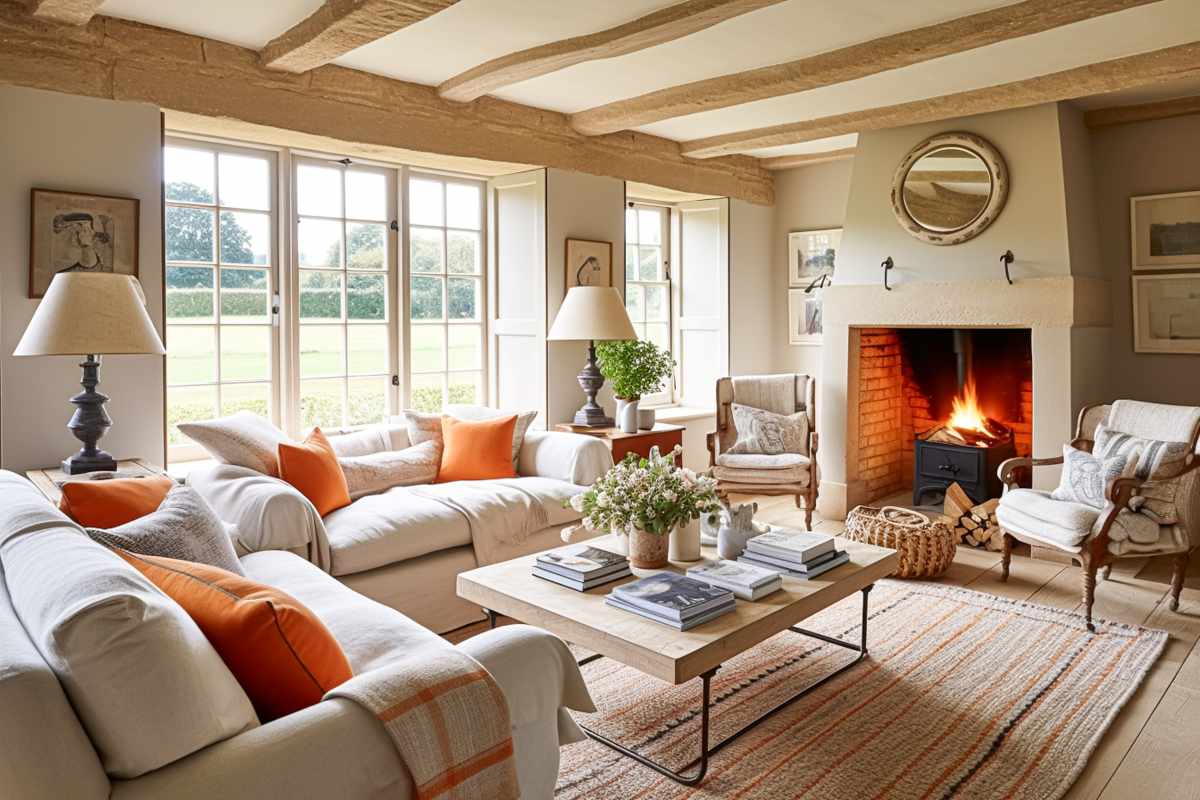
Coffee tables, shelves, sideboards, and consoles often determine whether a room feels finished or incomplete.
Completely empty surfaces can make a room feel sterile, while excessive decoration creates clutter. The goal is to strike a balance.
Books, candles, decorative objects, and personal items can all contribute to a carefully curated appearance that reflects the homeowner's personality without overwhelming the space.
8. Cohesive Colour Accents
Even neutral interiors benefit from a sense of visual continuity.
Repeating certain colours throughout a room helps connect different elements and create harmony. This might be achieved through artwork, cushions, accessories, or smaller decorative details.
The colours do not need to match perfectly. The objective is simply to create subtle relationships between different parts of the room.
9. Attention To Functional Details
A truly finished room works as well as it looks.
Practical details such as storage solutions, well-positioned lighting controls, and quality hardware all contribute to the overall experience of using the space.
For example, bedrooms, bathrooms, and home offices often benefit from privacy door hardware solutions for homes] that combine functionality with visual consistency. These practical elements may not attract immediate attention, but they contribute significantly to how complete a room feels.
Good design considers both aesthetics and everyday use.
10. A Sense Of Personal Identity
Perhaps the most important finishing touch is personality.
A room should reflect the people who live there rather than looking like a showroom display. Personal photographs, collected objects, meaningful artwork, and treasured possessions help create a sense of authenticity.
These details give a room character and ensure it feels genuinely lived in.
Without them, even the most beautifully designed interior can feel impersonal.
Why Small Details Matter
The finishing touches in a room rarely dominate attention individually.
Instead, they work together to create an overall impression. Consistent hardware, layered lighting, carefully chosen accessories, and thoughtful styling all contribute to a sense of completeness.
This is why designers often spend considerable time refining the smallest details. The cumulative effect can be surprisingly powerful.
Many homeowners exploring small finishing touches that transform interiors discover that these final adjustments often have a greater impact than larger and more expensive changes.
Final Thoughts
Creating a finished room is rarely about adding more furniture or undertaking another major renovation.
More often, it involves refining the details that connect everything together. Hardware, lighting, artwork, textiles, plants, and personal touches all play a role in shaping how a space feels.
When these elements are considered carefully, a room moves beyond simply looking good. It begins to feel complete, comfortable, and genuinely lived in.
That sense of completeness is often what separates a finished room from one that still feels like a work in progress.


