




Small Design Changes that Make a Big Impact in Your Home
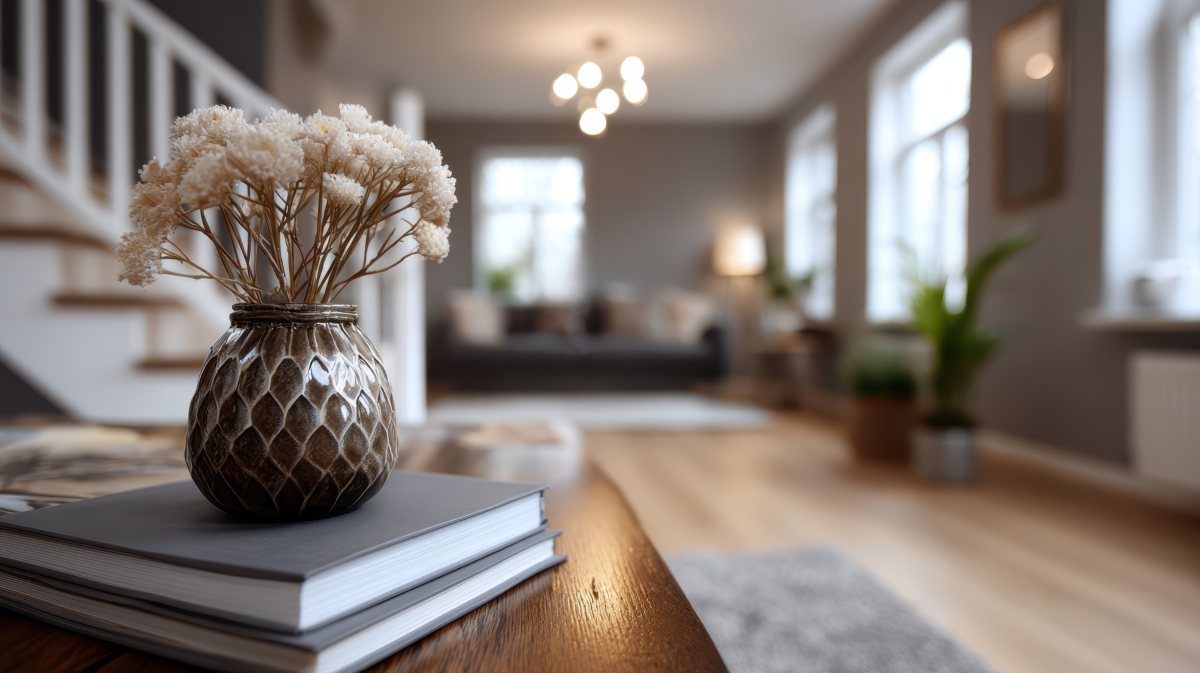
Major renovations get all the attention - knocking down walls, new kitchens, complete bathroom refits - but some of the most effective improvements to how your home looks and feels come from smaller changes that don't require contractors, significant budgets, or weeks of disruption. Never underestimate small upgrades that elevate your interiors without breaking the bank!
And these aren't minor tweaks that barely register. They're strategic updates that shift how spaces feel, how cohesive your interiors look, and how considered your home appears. The impact is disproportionate to the effort and cost involved, which makes them particularly valuable when you want meaningful improvement without major investment.
Upgrading Door Hardware Throughout
Why It Transforms Spaces
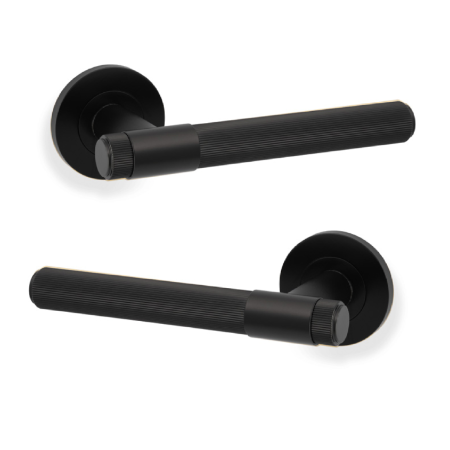
Door handles are touched dozens of times daily but rarely noticed until you upgrade them. Replacing outdated or builder-grade hardware with quality handles in a cohesive finish creates immediate visual improvement and better tactile experience every time you open a door.
The change is particularly noticeable when you've had mismatched hardware - different finishes and styles accumulated over years - and replace everything with consistent, quality pieces. The cohesion alone elevates the entire home.
Strategic Implementation
You don't necessarily need to replace every handle simultaneously. Start with the most-used or most-visible doors - entrance, main bedroom, bathroom - where you'll notice the improvement most. The handles you interact with constantly deliver the biggest experiential benefit.
Choose finishes that work across your home rather than trying to match each room's specific palette. Matte black, brushed brass, or quality brushed nickel work in virtually any interior, allowing consistency without forcing every room into identical styling.
Replacing Light Switch and Socket Plates
The Overlooked Detail
Light switches and sockets are everywhere - multiple in every room - yet most homes have the standard white plastic plates that came with the property. Upgrading to metal plates in brushed brass, black, chrome, or even coloured finishes transforms how polished spaces look.
This change costs relatively little per plate but the cumulative effect across an entire home is substantial. Rooms suddenly look more finished and intentional rather than having builder-grade basics that signal lack of attention to detail.
Coordinating with Hardware
Matching switch plates to door hardware creates subtle cohesion. If you've installed matte black door handles, matte black switch plates reinforce that design decision throughout the space. The consistency reads as deliberate design rather than random choices.
Updating Window Treatments
Beyond Basic Curtains
Replacing cheap curtains or outdated blinds with better window treatments changes room character immediately. Proper curtain poles rather than plastic tracks, quality fabric that drapes well rather than stiff budget material, or contemporary blinds replacing dated styles all substantially improve how rooms feel.
Window treatments occupy significant visual areas - they frame views, affect how light enters, and influence room proportions. Upgrading them delivers a visible impact that poor window dressing constantly undermines.
Installation Height Matters
Hanging curtains higher than the window frame - closer to the ceiling - makes rooms feel taller and more elegant. This costs nothing beyond slightly longer curtains but changes room proportions noticeably, particularly in standard-height rooms where every bit of perceived height helps.
Improving Lighting Fixtures
Replacing Builder Basics
Standard ceiling lights and basic lamp fixtures rarely suit how you actually use spaces. Replacing them with task lighting where needed, ambient lighting that creates atmosphere, and statement fixtures where appropriate transforms both functionality and aesthetics.
Even changing bulb temperature - replacing cool white bulbs with warmer alternatives - shifts how welcoming spaces feel. Harsh cool lighting makes homes feel clinical; warmer lighting creates comfort without changing any physical fixtures.
Layered Lighting Approach
Adding table lamps, floor lamps, or wall sconces creates lighting variety that overhead fixtures alone can't provide. Multiple light sources at different heights allow adjusting ambience and provide flexibility builder lighting rarely offers.
Decluttering and Editing
The Power of Less
Removing excess - too many decorative objects, unnecessary furniture, accumulated items that don't serve the space - costs nothing but dramatically improves how rooms feel. Less visual clutter makes spaces seem larger, calmer, and more considered.
This isn't about minimalism for its own sake. It's about ensuring what remains has purpose and impact rather than being lost among unnecessary items. Each piece gets to be appreciated rather than competing for attention.
Storage Solutions
Sometimes the issue isn't too much stuff but visible storage that looks messy. Adding attractive storage - baskets, boxes, cabinets - that conceals everyday items whilst keeping them accessible reduces visual noise without requiring you to own less.
Paint Refresh in Strategic Places
Accent Walls and Features
You don't need to repaint entire rooms to refresh spaces. Painting a single accent wall, refreshing tired woodwork, or updating a ceiling from magnolia to white creates noticeable improvement with minimal paint and effort.
Updating tired white to a cleaner, brighter white alone makes surprisingly big difference. Yellowed or grey-looking white walls make rooms feel dull; fresh bright white feels clean and considered.
Consistent Trim Colour
If your woodwork, skirting, and door frames vary between gloss white, cream, and off-white accumulated over years of different paint jobs, repainting everything in consistent white creates cohesion that makes interiors feel more finished and intentional.
Adding Greenery
Plants as Design Elements
Indoor plants add life, texture, and colour that static objects can't provide. Even a few well-placed plants in attractive pots softens spaces and creates visual interest without permanent commitment or significant cost.
Larger plants in particular - a substantial fiddle leaf fig, a mature monstera, statement planters with architectural plants - create a presence that changes room character. They fill vertical space, add organic forms, and provide focal points.
Updating Soft Furnishings
Cushions, Throws, and Textiles
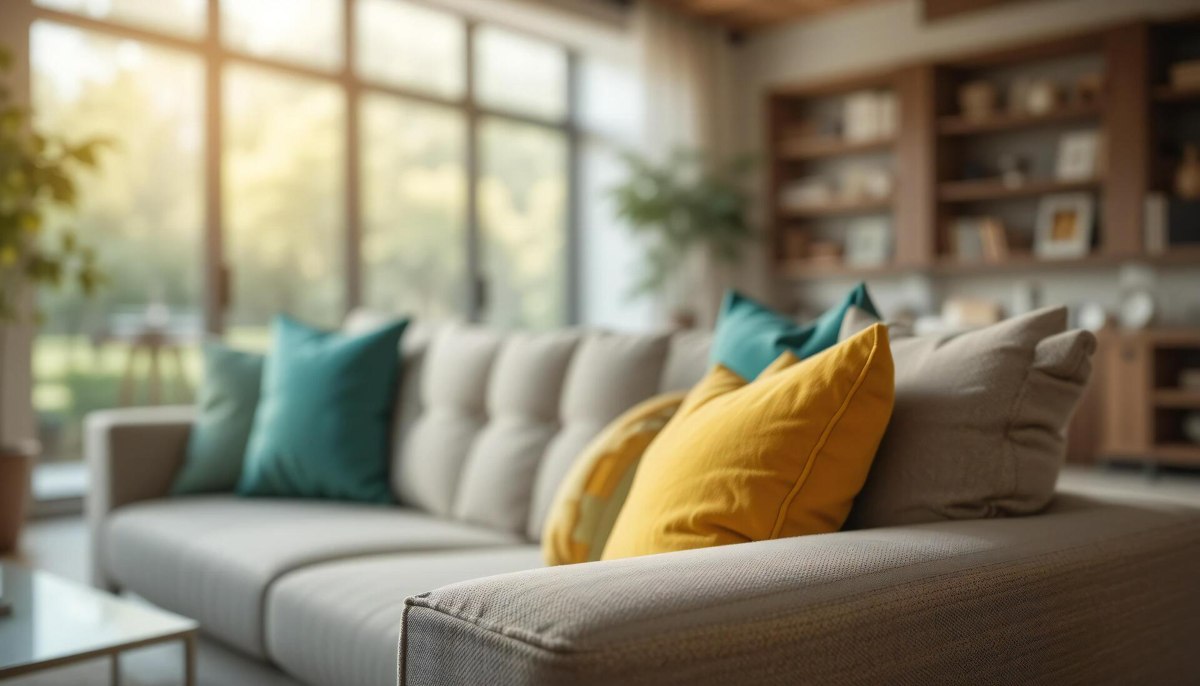
Refreshing cushions, throws, or rugs costs less than furniture replacement but changes room colour schemes and textures significantly. Swapping heavy winter textiles for lighter summer alternatives, or updating dated colours to current preferences, shifts how spaces feel seasonally or as tastes evolve.
Quality matters here. A few expensive cushions in beautiful fabric look better than numerous cheap ones. Better to have less in better materials than more in mediocre quality.
Hardware Consistency
The Cohesion Factor
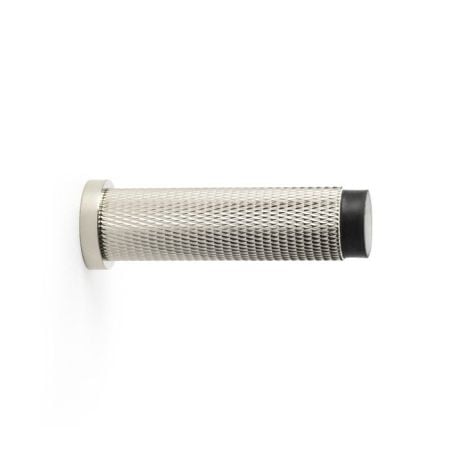
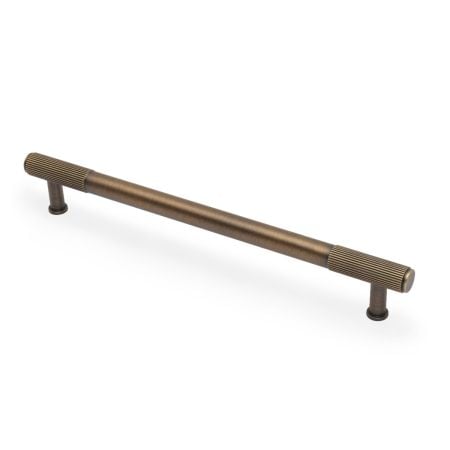
Beyond just door handles, ensuring consistency across all visible hardware - cabinet pulls, wardrobe handles, bathroom fixtures - creates visual flow that disparate finishes undermine. You don't need identical pieces, but finishes should coordinate.
At Brass Works, we provide door handle options for modern homes that work as part of broader small-change strategies for improving interiors. Quality door hardware represents exactly the kind of strategic small update that delivers impact beyond its cost or installation effort.
The most effective home improvements aren't always the biggest. Sometimes the details that get touched, noticed, and experienced daily create more meaningful change than major renovations that happen once and then become background.