




How to Design Interiors that Increase Property Value
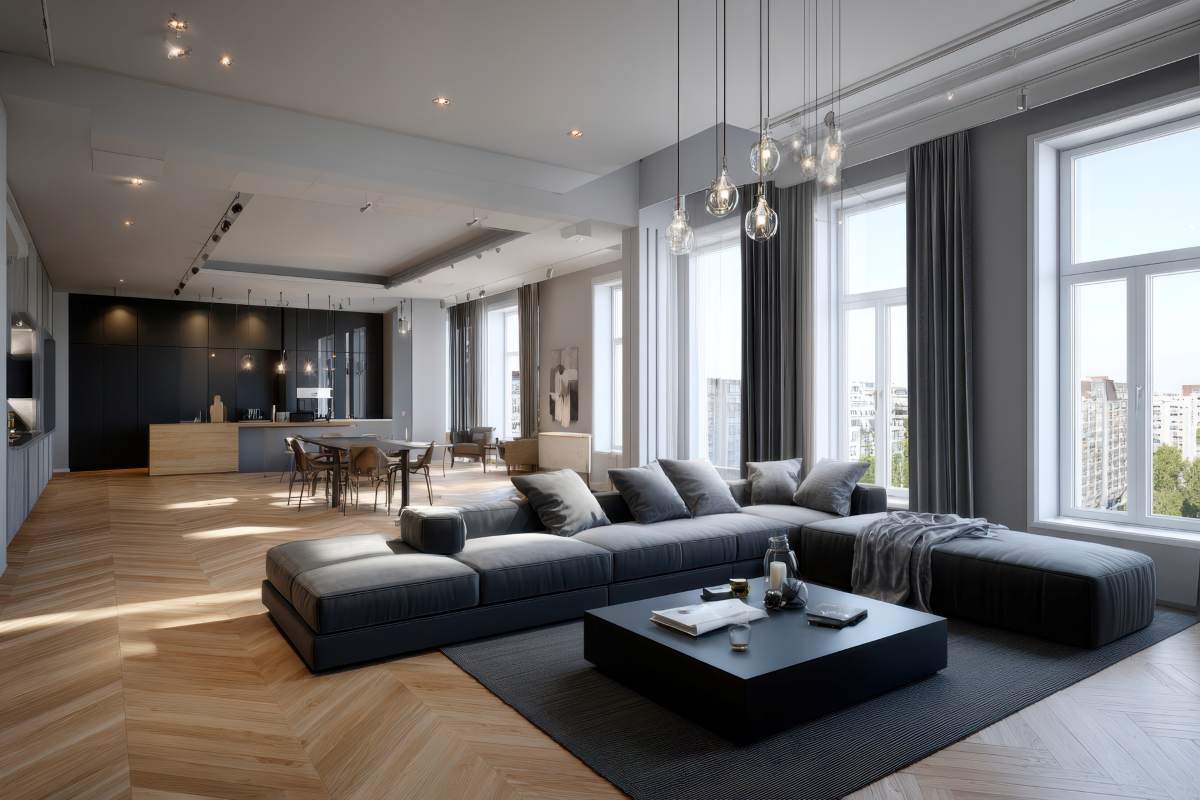
If you're planning to sell eventually - or even if you're not but want to protect your investment - certain interior design choices add tangible value whilst others merely reflect personal taste without moving the financial needle. Understanding the difference helps you make decisions that serve both your current enjoyment and future resale prospects.
This isn't about designing purely for hypothetical future buyers at the expense of living in a home you actually like. It's about recognising which improvements deliver financial return and which are purely personal investments, allowing you to allocate budget strategically between the two.
Focus on Kitchens and Bathrooms First
Where Buyers Notice Most
If you're working with limited budget for improvements, kitchens and bathrooms deliver the strongest return. These rooms heavily influence buyer decisions and valuations, whilst bedrooms and living areas matter less to ultimate property value despite being where you spend most time.
Quality kitchen cabinetry, worktops, and appliances command premium valuations. Outdated kitchens actively reduce property value - buyers either discount offers to account for replacement costs or choose different properties entirely. Modern, well-designed kitchens justify higher asking prices and sell properties faster.
Bathrooms follow similar patterns. Dated bathroom suites, old tiles, and poor lighting reduce perceived value. Contemporary bathrooms with quality fixtures, good lighting, and cohesive design add measurable value beyond their installation cost.
Balancing Personal Preference and Value
You can incorporate personal style in kitchens and bathrooms whilst maintaining broad appeal. Choose quality materials in relatively neutral palettes, ensuring fixtures and fittings are current rather than trendy. Painted cabinetry in versatile colours, quality stone or composite worktops, and good lighting all add value whilst allowing personalisation through accessories and smaller details.
Create Flexible, Well-Proportioned Spaces
Avoiding Over-Personalisation
If you're tempted to convert bedrooms into highly specific spaces - home cinemas, elaborate dressing rooms, themed children's rooms - consider the value implications. These conversions reduce bedroom count, which directly affects property value in most markets where bedroom quantity influences valuations.
Buyers want flexibility. A well-proportioned room they can use as bedroom, office, or nursery appeals to broader markets than a space so purpose-specific it requires reconversion. If you do create specialised rooms, ensure they can easily revert to bedrooms without major work.
Maximising Natural Light
If you're planning any structural changes, prioritising natural light delivers strong value returns. Additional windows, larger glazing, or repositioning windows to improve light distribution all increase property appeal and valuation.
Rooms with good natural light photograph better, feel more spacious, and appeal to virtually all buyers. Poor natural light actively reduces value - buyers discount properties with dark rooms even if everything else meets requirements.
Quality Over Trend-Following
Timeless Materials and Finishes
If you're choosing flooring, tiles, worktops, or other substantial finishes, quality in relatively classic choices holds value better than trendy materials that date quickly. Engineered wood flooring in natural oak tones, quality porcelain tiles, and stone or composite worktops maintain appeal across style changes.
Highly fashionable choices - particularly bold colours or patterns in permanent fixtures - risk looking dated within years. You might love bright patterned tiles now, but if you're selling in five years, they could actively reduce value by narrowing buyer appeal.
Where to Invest in Quality
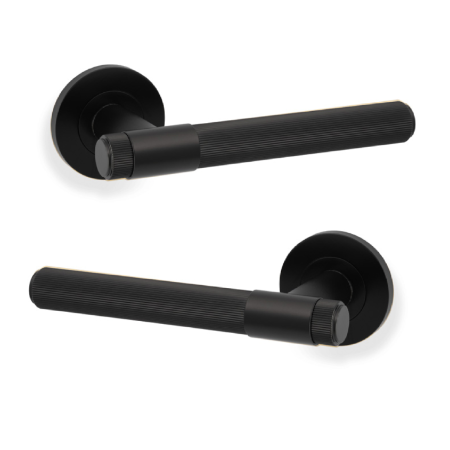
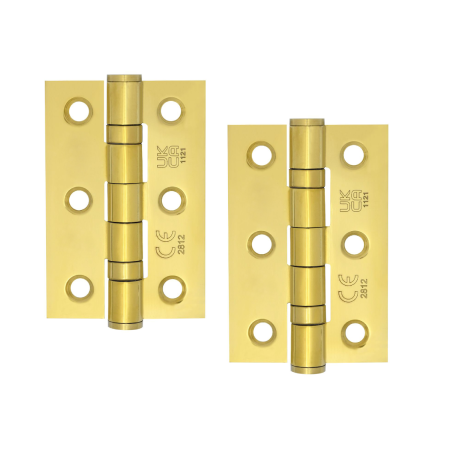
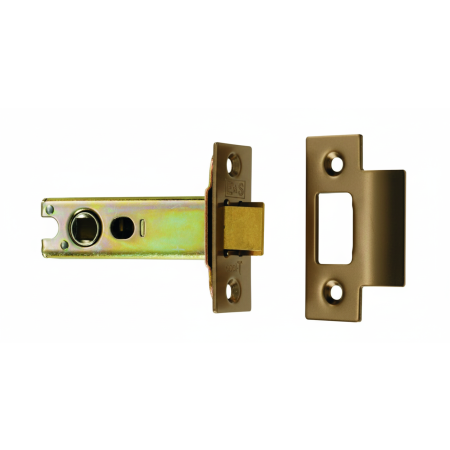
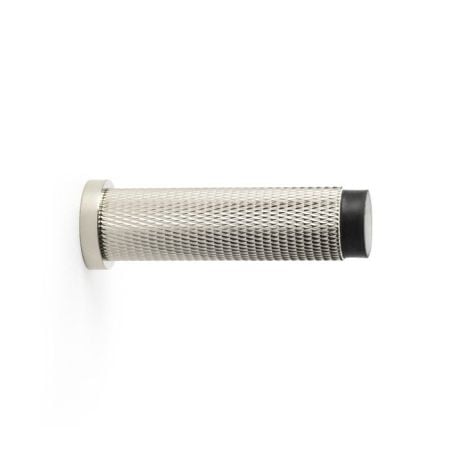
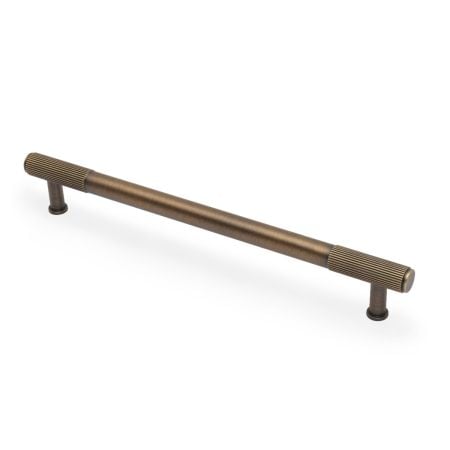
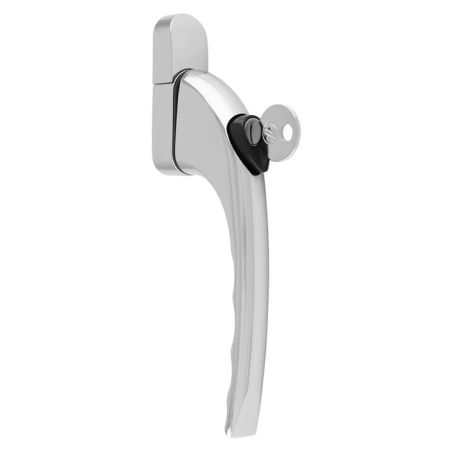
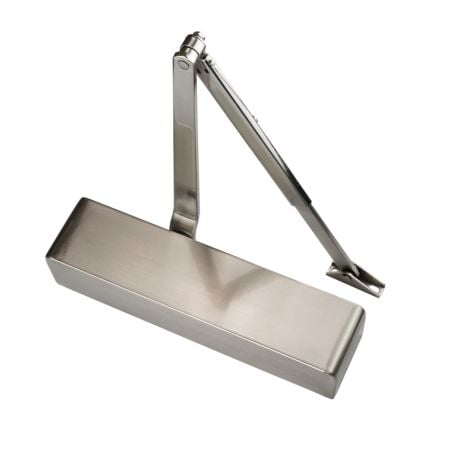
Allocate budget towards elements that affect daily experience and long-term durability rather than surface trends. Quality door hardware, well-fitted joinery, properly installed flooring, and good lighting infrastructure all add genuine value. Decorative elements that express personal style but don't affect function or durability matter less to property value.
Understanding design upgrades that add value helps distinguish between investments that improve both your experience and eventual sale price versus those serving only current enjoyment.
Consistent Quality Throughout
Avoiding Uneven Standards
If you're renovating gradually, room by room, ensure consistent quality standards throughout. Properties with premium kitchen but dated bathroom, or beautifully renovated ground floor but untouched bedrooms, confuse buyers and reduce overall value.
Buyers prefer consistent moderate quality throughout over pockets of excellence mixed with areas needing work. If budget forces choices, it's often better to improve everything to good standard rather than making some rooms exceptional whilst leaving others clearly needing attention.
Hardware and Fixture Consistency
If you're updating door handles, light switches, or bathroom fixtures, consistency across the property creates perceived quality that mismatched elements undermine. You don't need identical pieces everywhere, but finishes should coordinate and quality should remain consistent.
Budget hardware in some rooms and premium in others signals incomplete renovation or inconsistent standards. Uniform quality throughout - even if moderate rather than luxury - presents better than mixed levels.
Storage Solutions Add Measurable Value
Built-In Storage Appeal
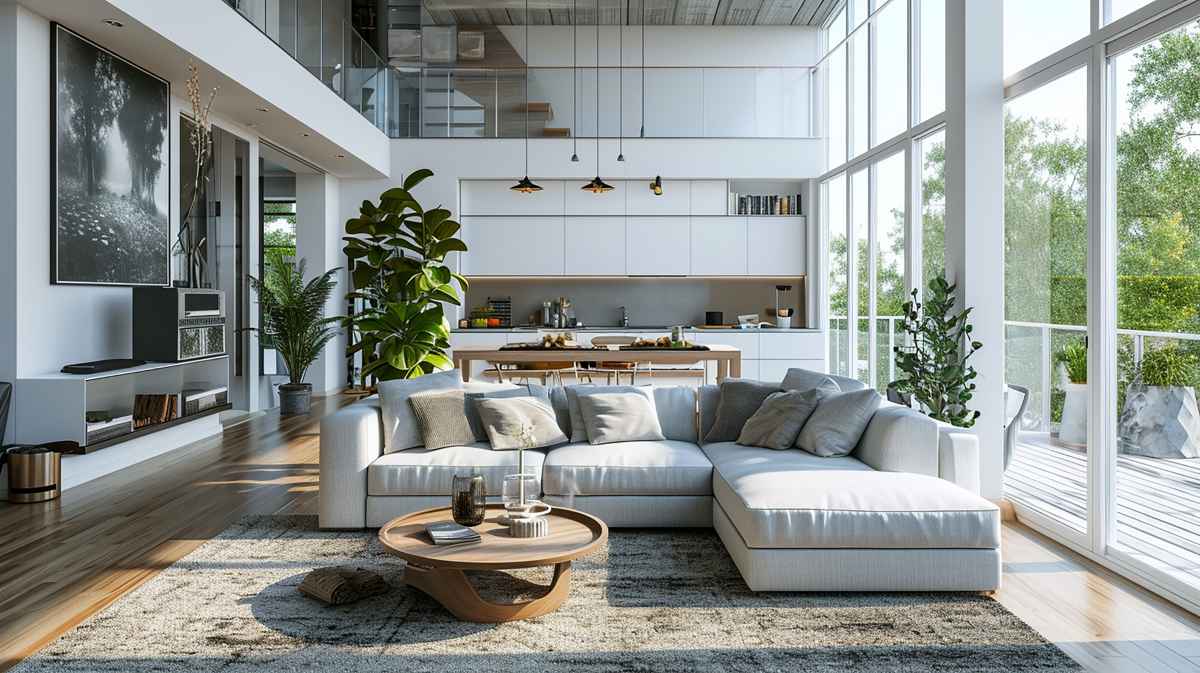
If you're considering storage improvements, built-in solutions add more value than freestanding furniture. Fitted wardrobes, under-stair storage, or custom shelving become property features that buyers value, whilst freestanding pieces are just furniture you might take with you.
Good storage particularly adds value in smaller properties where space efficiency matters. Buyers for compact homes specifically seek clever storage solutions that maximise usable space.
Practical Over Decorative
If you're choosing between decorative storage that looks beautiful but holds little, and practical solutions that maximise capacity, lean towards function. Buyers value storage that actually stores efficiently over attractive but impractical solutions.
Neutral Base with Personality in Details
The Resale-Friendly Approach
If you're decorating with eventual resale in mind, create neutral bases - walls, floors, major fixtures - then add personality through changeable elements like soft furnishings, artwork, and accessories. This allows you to express style whilst maintaining broad buyer appeal in permanent features.
You can repaint walls or change soft furnishings easily before selling. You can't easily change tiled floors, fitted kitchens, or bathroom suites. Keep the permanent expensive elements relatively neutral; express personality in the changeable affordable elements.
Smart Home Integration Done Right
Technology That Adds Value
If you're installing smart home systems, focus on elements that improve security, energy efficiency, and convenience without requiring specific ecosystems. Smart heating controls, quality security systems, and efficient lighting that can operate conventionally or via smart control add value.
Highly proprietary systems requiring specific platforms risk being obsolete or incompatible when you sell. Flexibility and standard compatibility matter more than cutting-edge features that might not work with future technology.
Energy Efficiency Improvements
Rising Value of Efficiency
If you're planning improvements, energy efficiency increasingly affects property values as buyers consider running costs and environmental impact. Better insulation, efficient heating, double or triple glazing, and renewable energy where appropriate all add value whilst reducing your current running costs.
Energy Performance Certificate ratings directly affect valuations in some markets and influence buyer decisions in all markets. Improvements that shift the rating upwards deliver measurable value returns.
Professional Finish Quality
The DIY Consideration
If you're competent at DIY, you can save money on labour costs. However, poor finish quality actively reduces property value even if the underlying work is sound. If you're not confident of achieving professional results, consider whether DIY savings outweigh the value impact of amateur finish.
Wonky tiling, uneven paintwork, or poorly fitted joinery signals amateur work throughout, making buyers question what else might be substandard even if structural work is sound.
Creating Value Through Design
If you're improving your home, balancing personal enjoyment against value creation doesn't mean living in a show home. It means making strategic choices about where to invest in quality, which elements to keep neutral, and which improvements deliver returns versus those serving only current preference.
At Brass Works, our architectural hardware with a black finish represents the kind of quality detail that serves both current use and future value - contemporary enough to appeal to buyers, classic enough not to date quickly, and quality that signals attention to detail throughout the property.
The best approach creates homes you genuinely enjoy whilst protecting and building the financial value that makes your property a sound investment as well as a pleasant place to live.