
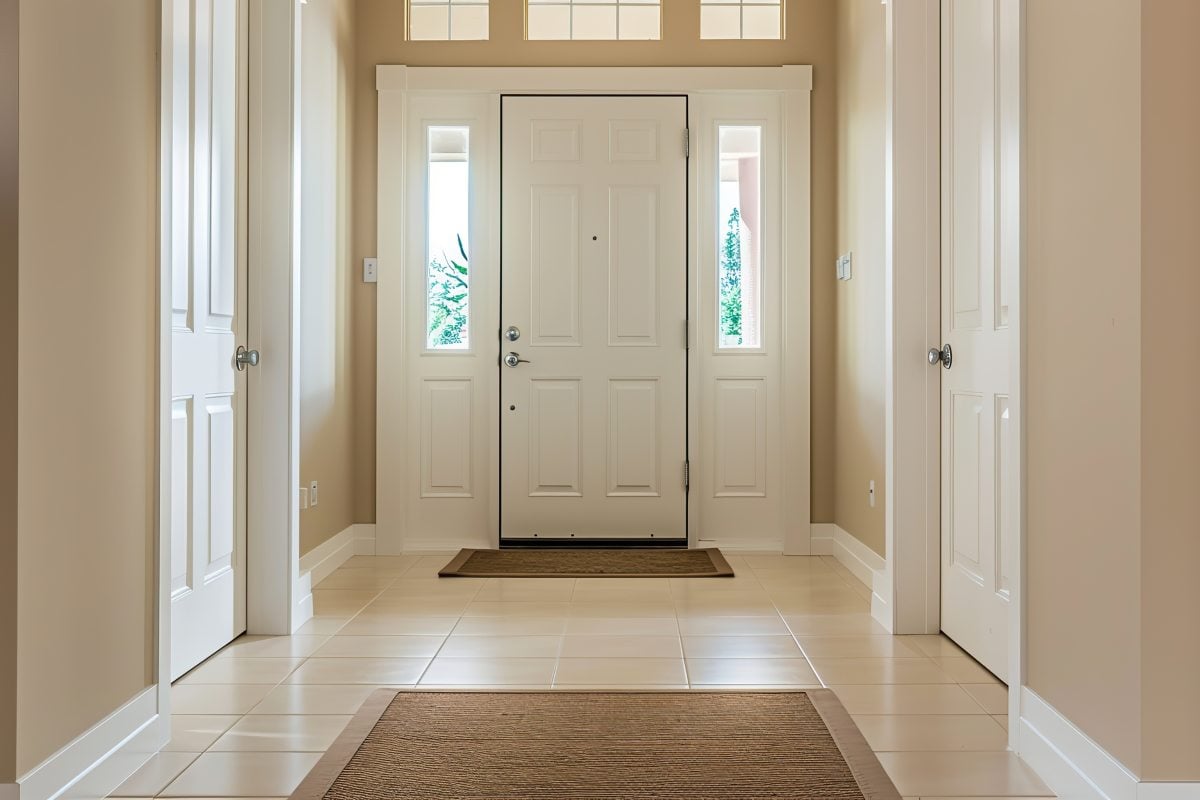
Your entrance creates the first physical impression of your home, and that initial moment influences how visitors - and you yourself - perceive the entire property. This isn't merely aesthetic preference or subjective opinion. The psychology of how we process environments means entryway design genuinely affects emotional responses, perceived home value, and even how welcome people feel entering your space.
If you're planning entryway improvements or wondering why your entrance feels unwelcoming despite looking presentable, understanding the psychological mechanisms at play helps you make changes that create the response you actually want rather than hoping generic improvements will somehow transform how the space feels.
First Impressions Form Within Seconds
The Immediate Judgement
When someone approaches your door - whether a first-time visitor, potential buyer viewing your property, or even you yourself returning home - their brain processes and judges the environment within three to seven seconds. That's barely enough time to consciously notice details, yet in that instant they've formed opinions about your home's character, your attention to detail, and even assumptions about what lies beyond the entrance.
If you're creating an entryway, those few seconds are what you're designing for. Every element that registers in that brief window contributes to the impression that colours everything that follows.
What the Brain Processes First
Your entrance door, its hardware, the immediate surroundings, lighting, and condition all register before conscious thought engages. The brain assesses whether the environment feels safe, welcoming, well-maintained, and aligned with expectations based on the building's exterior.
Misalignment between exterior promise and entrance delivery creates cognitive dissonance that feels uncomfortable even if visitors can't articulate why. If you're living in a beautiful period property with a cheap entrance door and builder-grade hardware, that disconnect undermines everything else.
The Door as Psychological Threshold
Transition and Territory
Doors represent more than physical barriers. Psychologically, they mark transitions between public and private, outside and inside, threat and safety. If you're choosing an entrance door, you're selecting the physical manifestation of that psychological boundary.
Substantial, well-maintained doors with quality hardware signal security and care. They communicate that what lies beyond is protected and valued. Flimsy doors with poor hardware suggest the opposite - that the threshold isn't important, which by extension makes visitors question what's being protected.
Control and Invitation
The entrance creates your first active interaction with the home - grasping the handle, turning the key, pushing or pulling the door. If you're selecting door hardware, you're choosing how that interaction feels. Smooth operation, comfortable grip, and quality construction create a positive tactile experience that contributes to welcome. Stiff, awkward, or poor-quality hardware creates immediate frustration that undermines any visual appeal.
Understanding how hardware influences first impressions helps you recognise that door handles aren't just decorative - they're the first physical contact point with your home, making their quality and function psychologically significant beyond their appearance.
Lighting and Safety Perception
Visibility as Welcome
Well-lit entrances feel welcoming and safe. Poorly lit entrances trigger caution - our brains evolved to treat dark enclosed spaces as potential threats. If you're wondering why your entrance feels unwelcoming despite looking attractive in daylight, insufficient lighting might be undermining everything once natural light fades.
The psychological response to lighting isn't subtle. Bright, warm lighting actively reduces stress and creates positive emotional responses. Harsh cold lighting or inadequate illumination creates mild anxiety even when there's no actual threat.
Layered Lighting Approach
If you're improving entrance lighting, consider multiple sources rather than single overhead fixtures. Wall lights flanking the door, overhead lighting, and even subtle path lighting all contribute to feeling safely lit without harshness. Layered lighting also creates depth and visual interest that single sources cannot achieve.
Colour Psychology at the Entrance
What Colours Communicate
Your door colour sends psychological signals before visitors even reach it. Traditional colours like deep blue, classic black, or rich red communicate stability and confidence. These are colours people have positive associations with for entrances - they feel appropriate and grounded.
If you're choosing entrance door colour, consider what you want to communicate. Bright unusual colours create memorable impact but risk looking frivolous or attention-seeking. Very pale colours can feel weak or insubstantial for entrance doors specifically, even though they work beautifully elsewhere.
Hardware Finish Psychology
The finish of your door hardware contributes to colour psychology as well. If you're selecting between finishes, consider that matte black communicates contemporary sophistication and understated confidence. Brass suggests traditional quality and permanence. Chrome can feel clean and modern but also somewhat clinical if not balanced with warmer elements.
At Brass Works, our dark-toned fittings for modern doors work particularly well psychologically for entrances - they provide visual definition and substance without overwhelming, creating the confident understatement that suits entrance doors across architectural styles.
Scale and Proportion Effects
Visual Weight Matters
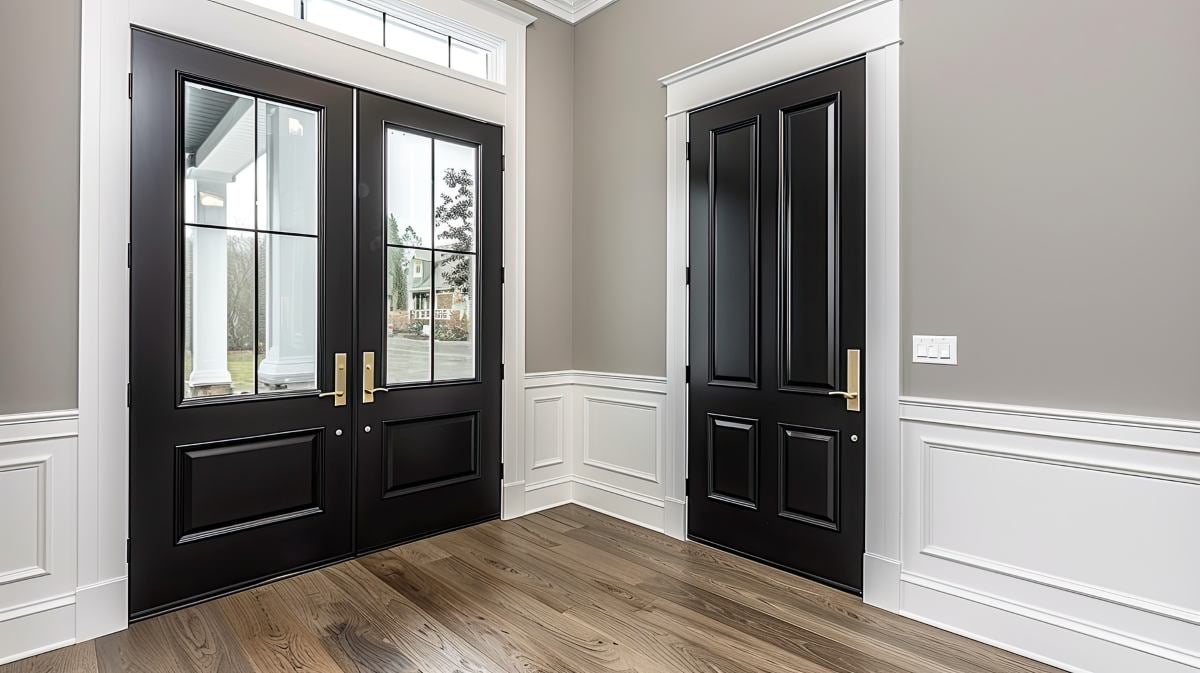
Entrance doors benefit from slightly more substantial hardware than internal doors. Psychologically, this makes sense - the entrance is a more significant threshold, and the hardware should reflect that importance. If you're using the same delicate hardware on your front door as on a bedroom door, the entrance reads as underweighted for its significance.
This doesn't mean entrance hardware must be oversized or elaborate, just that it should have appropriate presence for the psychological importance of the threshold it guards.
Proportion to Architecture
If you're matching hardware to your building, consider architectural proportions. Grand Victorian entrances need hardware with presence. Modest terraced house doors look silly with overly elaborate handles that don't suit the building's scale. The psychological response to inappropriate scale is immediate discomfort, even if viewers can't explain why something feels wrong.
Maintenance and Perceived Care
The Signal of Condition
The entrance's condition signals how much you care about the property. If you're letting your entrance door become shabby, the hardware tarnish, or the paintwork deteriorate, you're communicating - intentionally or not - that maintenance isn't a priority.
Psychologically, this triggers assumptions about the rest of the property. If the visible, important entrance isn't maintained, visitors assume hidden areas must be worse. Even if the interior is immaculate, a neglected entrance creates doubt that undermines everything else.
Fresh Versus Weathered
There's a distinction between purposeful weathered character - like unlacquered brass developing natural patina - and neglected deterioration. The former communicates considered aesthetic choice. The latter signals lack of care. If you're choosing materials for entrance hardware, understand which ages characterfully versus which just looks uncared-for when it weathers.
Symmetry and Order
The Comfort of Balance
Humans find symmetry psychologically comforting. If you're arranging elements around your entrance - flanking lights, planted pots, house numbers - symmetrical arrangement creates subconscious satisfaction that asymmetry doesn't provide.
This doesn't mean everything must be perfectly mirrored, but balanced composition creates calm whilst chaos creates mild stress. If your entrance feels unsettled despite having nice individual elements, arrangement might be the issue.
Personal Expression at the Threshold
Balancing Welcome and Identity
Your entrance should feel welcoming whilst expressing something about who lives there. If you're designing an entrance that feels like anyone could live there, you've prioritised bland inoffensiveness over character. If it's so personally specific that visitors feel they're intruding into private space immediately, you've gone too far the other direction.
The psychological sweet spot expresses enough personality to feel inhabited and interesting without becoming so personal it makes guests feel like they're already too far into private territory before they've even crossed the threshold.
Creating Psychological Welcome
If you're improving your entrance, you're not just changing physical elements - you're shaping psychological responses that affect how everyone, including you, experiences your home. The entrance that creates positive first impressions, feels safe and welcoming, and represents appropriate transition between public and private space delivers value beyond its aesthetic appeal.
The most effective entryways understand that design choices aren't just about appearance - they're about creating the psychological conditions for welcome, security, and positive impression that make houses feel like homes and visitors feel genuinely invited rather than merely permitted entry.


