




6 Creative Ways to Update Old Interior Doors Without Remodeling

If you're living with dated interior doors - flat hollow-core slabs from the 1980s, damaged Victorian panels that have seen better days, or builder-grade basics that came with the property - you've probably considered replacement. Then you've seen the costs involved, the disruption of removing and refitting doors throughout a home, and the reality that perfectly functional doors don't justify complete replacement just because they're not beautiful.
The good news is that door replacement isn't your only option for transforming how interior doors look and feel. If you're willing to invest some time and modest budget into creative updates, you can achieve dramatic improvement without the expense and disruption of full replacement.
Add Moulding or Trim Details
Creating Architectural Interest
If you're working with plain flat doors that lack character, adding moulding creates depth and architectural detail that transforms their appearance entirely. Simple rectangular panels created with picture frame moulding turn featureless slabs into doors with traditional panel styling.
You can purchase pre-cut moulding kits designed specifically for door panels, or cut your own from standard moulding if you're comfortable with basic woodworking. The moulding gets glued and potentially pinned to the door surface, then the entire door gets painted to create the illusion of proper panelled construction.
This works particularly well if you're updating hollow-core doors in period properties where flat modern doors feel incongruous with the building's character. The added moulding doesn't make them solid timber, but it creates visual interest that makes them less obviously cheap.
Installation Considerations
If you're attempting this yourself, accurate measuring and cutting matter enormously. Poorly aligned moulding looks worse than plain doors. Take time getting the spacing right, use a mitre saw for clean 45-degree corners, and ensure panels are perfectly rectangular before gluing anything down.
Fill any gaps at joins carefully, sand smooth before painting, and use quality paint for a professional finish. The difference between well-executed moulding addition and amateur work is primarily in the finishing details.
Replace the Door Hardware
The Quickest Transformation
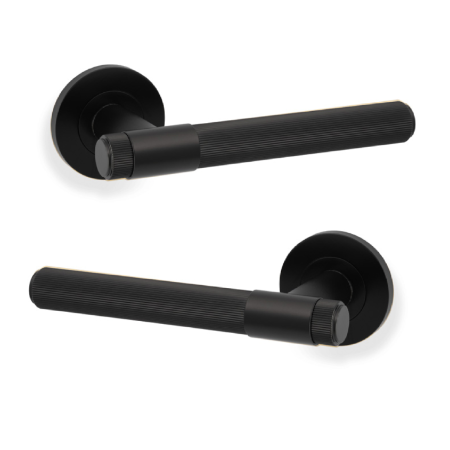
If you're looking for maximum impact with minimum effort, replacing door handles delivers remarkable improvement for relatively small investment. Dated brass handles from the 1990s, mismatched hardware accumulated over years, or cheap builder-grade handles all make doors look worse than they are.
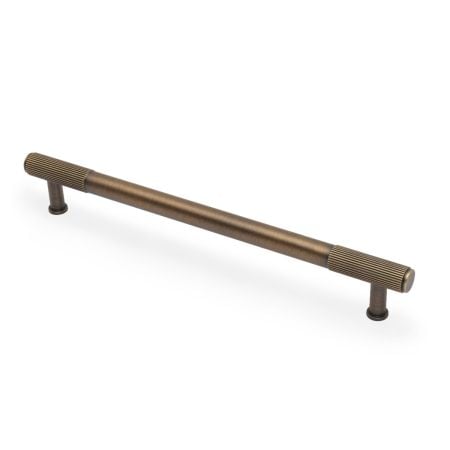
New handles in contemporary finishes - matte black, brushed brass, or quality chrome - instantly modernise doors regardless of their underlying condition. The handles are what you interact with constantly, making their quality and appearance disproportionately important to how doors feel.
If you're choosing between door handles and door knobs, consider that lever handles are generally read as more contemporary whilst knobs suit traditional styling. Either works, but the choice affects whether the update feels modern or maintains period character.
Coordinating Throughout
If you're replacing handles, doing all interior doors simultaneously creates cohesion that makes the entire home feel more considered. Mismatched handles room by room signals piecemeal updates rather than deliberate design choices.
Paint or Stain Refresh
Colour as Transformation
If you're dealing with painted doors that have become grubby, chipped, or are just the wrong colour for current interiors, repainting offers complete transformation for the cost of paint and your labour. Fresh white makes rooms feel clean and bright. Bold colours on feature doors create focal points. Soft neutrals complement contemporary interiors.
The preparation matters more than the painting itself. If you're repainting, proper sanding, cleaning, priming if needed, and quality paint application create results that last. Rushed painting over poorly prepared surfaces looks amateur within months as paint fails to adhere properly.
Staining Timber Doors
If you're lucky enough to have solid timber doors currently painted, consider whether stripping and staining might reveal beautiful wood grain worth showcasing. Victorian pine doors often hide under layers of paint, and their natural timber character suits period properties better than paint ever could.
This is labour-intensive work - paint stripping is tedious and messy - but the results can be spectacular if you're working with quality timber underneath. Test a small area first to see whether the timber underneath justifies the effort involved.
Update Door Furniture and Accessories

Beyond Just Handles
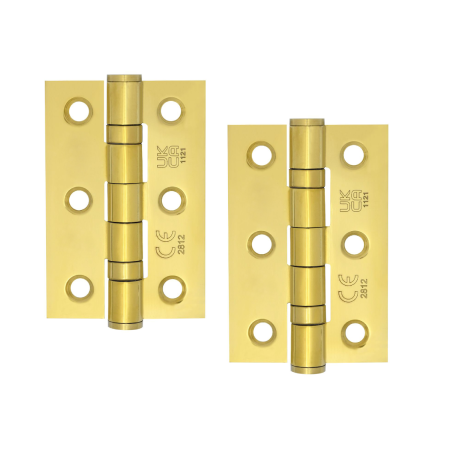
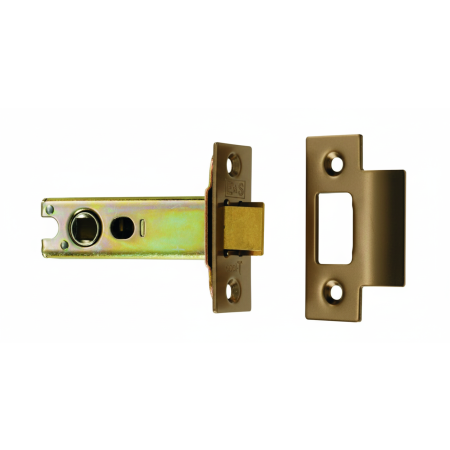
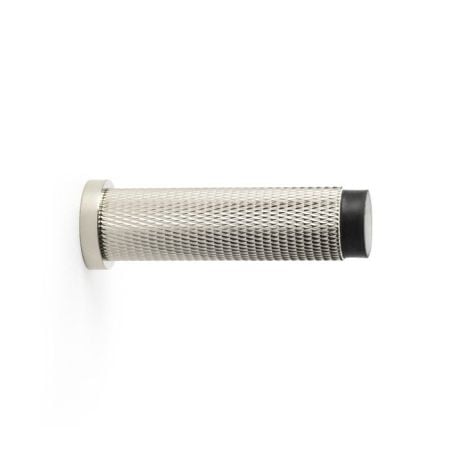
If you're refreshing doors, consider all the furniture - hinges, escutcheons around locks, door stops, even house number plates on relevant doors. Mismatched or tarnished hinges undermine beautiful new handles. Old brass escutcheons look dated against contemporary handles.
Replacing all visible hardware creates cohesion that makes doors feel completely refreshed rather than just having new handles grafted onto otherwise unchanged doors. The cumulative effect of coordinated hardware is substantial.
Finish Consistency
If you're choosing new hardware finishes, ensure hinges match or coordinate with handles. You don't need identical finishes - some people deliberately use different finishes for subtle contrast - but they should be intentionally coordinated rather than accidentally mismatched.
Add or Improve Door Casing and Architrave
Framing the Opening
If you're looking at the entire door opening rather than just the door itself, replacing or enhancing the architrave (the moulding around the door frame) changes how prominent and finished the doorway appears. Substantial architrave in interesting profiles creates architectural presence. Minimal contemporary architrave suits modern interiors.
Replacing damaged or inadequate architrave with better profiles instantly upgrades how doors integrate with surrounding walls. This is particularly effective if you're working with builder-grade minimal trim that does nothing for the overall appearance.
Matching or Contrasting
If you're painting architrave, you can match it to walls for doors that visually recede, or paint it in contrasting colours - white architrave against coloured walls, or coloured architrave against white walls - to emphasise the doorways as architectural features.
Install Door Curtains or Portières
The Soft Solution
If you're dealing with truly unsalvageable doors - damaged beyond reasonable repair but functional enough that replacement isn't urgent - hanging curtains over doorways conceals the doors whilst adding textile softness and colour to rooms.
This works particularly well for doorways between rooms that remain open most of the time. The curtain hangs to one side when the door is open, becoming a decorative element, and can be drawn across when you want privacy or to close off the doorway visually.
Portières work best if you're committed to the aesthetic - they suit eclectic, bohemian, or traditional interiors better than minimal contemporary spaces. They're also practical for draughty old doors, adding insulation that the door itself doesn't provide.
Making Old Doors Work
If you're working with old interior doors that function adequately but look dated or damaged, these creative updates offer transformation without the commitment and cost of complete replacement. The most effective approach often combines several techniques - new hardware with fresh paint, or added moulding with updated architrave.
At Brass Works, we provide warm metal fittings for classic interiors that work beautifully on updated vintage doors, bringing quality hardware that respects period character whilst feeling fresh and well-maintained rather than shabby or neglected.
The point isn't making old doors look like new replacements - it's making them look intentionally preserved and thoughtfully maintained rather than just outdated elements you haven't gotten around to replacing yet. That distinction makes all the difference to how they contribute to your interiors.