




How to Balance Aesthetics and Functionality in Interior Design
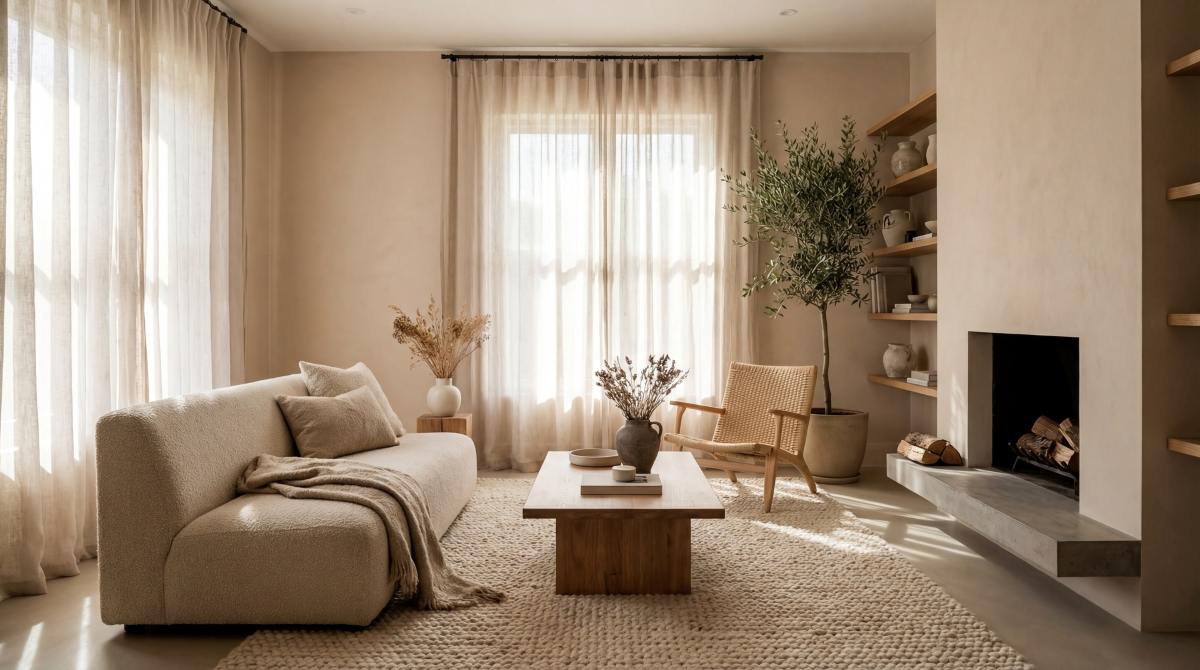
If you're designing or updating interiors, you've probably encountered the tension between creating beautiful spaces and ensuring they actually work for daily life. A stunning room that's uncomfortable to use fails functionally. A highly functional space that looks terrible fails aesthetically. The challenge is achieving both simultaneously rather than sacrificing one for the other.
This balance isn't about compromise where both aspects suffer. It's about understanding that the best design solutions serve both purposes - beautiful rooms should also be comfortable, practical spaces should also be attractive, and functionality itself can be elegant when properly considered.
Understanding True Functionality
Beyond Surface Practicality
If you're thinking about functionality purely as "does it work," you're missing half the picture. True functionality includes physical comfort, psychological comfort, appropriate storage, good lighting, suitable acoustics, and spaces that support how you actually live rather than how you think you should live.
A minimalist living room with one uncomfortable sofa might technically function as a living room, but if nobody wants to spend time there because it's unwelcoming, it's functionally failing despite looking beautiful. Conversely, a room stuffed with comfortable furniture but visually chaotic creates psychological discomfort that undermines physical comfort.
Lifestyle-Specific Function
If you're designing for your actual life rather than magazine photos, consider what functionality means specifically for you. Families with young children need different functionality than couples without kids. People who work from home need different spaces than those who don't. Functionality isn't universal - it's specific to how you use your home.
This means rejecting one-size-fits-all solutions. The gorgeous open-plan layout that works brilliantly for some lifestyles creates problems for others who need separation between spaces. Understanding your specific functional requirements prevents chasing aesthetics that don't serve your reality.
Furniture Selection Strategy
Form Following Function
If you're choosing furniture, start with functional requirements - how many people need seating, what activities happen in the space, storage needs, traffic flow - then select pieces that meet those needs whilst also looking good.
A beautiful sofa that's too small for your family fails functionally. An appropriately sized sofa in hideous fabric fails aesthetically. Both criteria matter equally, and neither should be sacrificed entirely for the other.
Comfort as Aesthetic
If you're selecting seating particularly, remember that comfort itself has aesthetic quality. Furniture that looks stiff and uncomfortable creates visual tension even in beautiful rooms. Furniture that appears comfortable and inviting contributes to welcoming aesthetics regardless of specific style.
This doesn't mean everything must be overstuffed and plush - sleek modern furniture can look and be comfortable - but the appearance of comfort matters to overall room aesthetics beyond the furniture's visual style.
Storage Integration
Hidden vs Displayed
If you're addressing storage needs, you can conceal storage behind closed cabinetry for clean minimal aesthetics, display storage on open shelving that becomes part of the decorative scheme, or combine both approaches with some items concealed and others displayed.
The right choice depends on what you're storing and how visually interesting it is. Books, attractive dishes, or collections can become decorative elements when openly stored. Everyday clutter, paperwork, and utilitarian items need concealment to maintain visual calm.
Built-In Solutions
If you're planning storage, built-in solutions often balance aesthetics and function better than freestanding furniture. Custom joinery fits spaces exactly, maximises storage capacity, and integrates visually with architecture in ways that freestanding pieces cannot.
This is particularly effective in awkward spaces - alcoves, under stairs, irregular walls - where standard furniture either wastes space or looks poorly proportioned. Built-in storage turns architectural quirks into functional assets.
Lighting for Beauty and Function
Layered Approach
If you're planning lighting, single overhead fixtures rarely serve either aesthetics or function well. Layering ambient lighting, task lighting, and accent lighting creates both visual interest and appropriate illumination for different activities.
Ambient lighting provides overall room illumination. Task lighting supports specific activities - reading, cooking, working. Accent lighting highlights architectural features or decorative elements. Each layer serves function, and together they create aesthetic lighting variety that single sources cannot.
Dimmers and Control
If you're installing lighting, dimmers allow adjusting intensity for different needs and times. Bright light for active use, softer light for relaxing, minimal light for ambience - the same fixtures serve multiple purposes through simple dimming.
This functionality enhances aesthetics. Harsh unchanging lighting feels institutional. Adjustable lighting that responds to needs and mood creates atmosphere that static lighting cannot.
Material Selection
Durability Meets Design
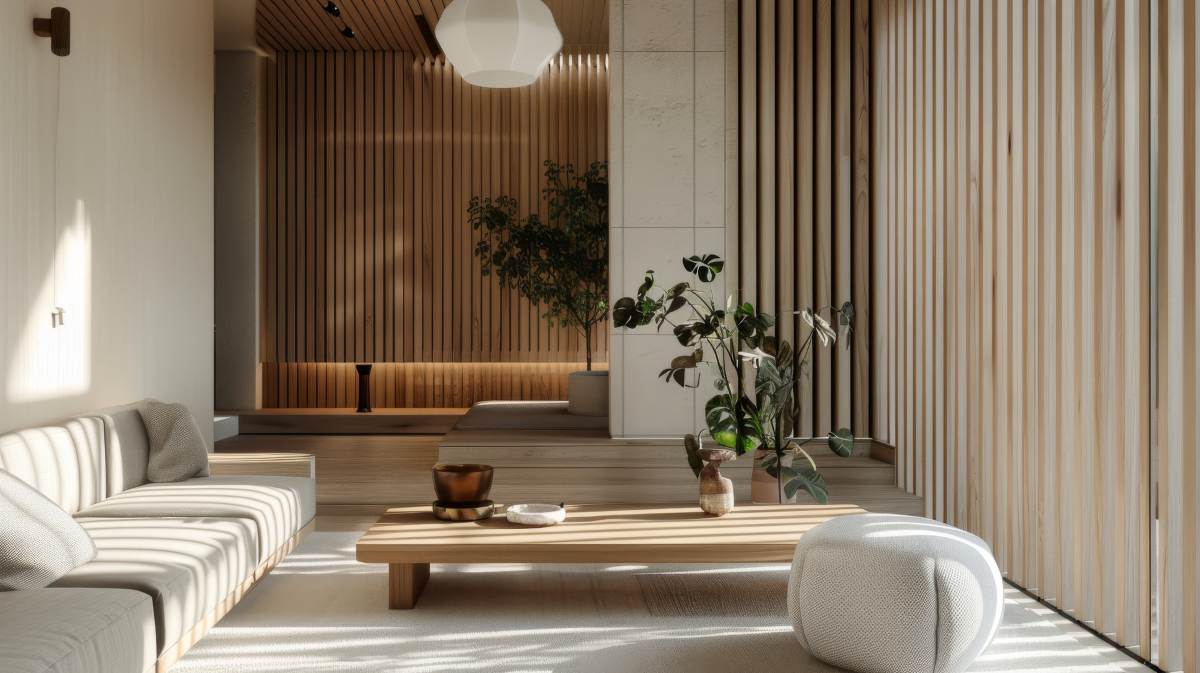
If you're choosing materials, consider both aesthetic appeal and practical durability for the specific use. Beautiful marble worktops that stain easily might suit low-use spaces but fail in busy kitchens. Gorgeous pale upholstery that shows every mark works for adults-only homes but struggles with children or pets.
The most successful material choices look beautiful whilst also withstanding their intended use. Aesthetic preference shouldn't override practical requirements, but practical needs don't require sacrificing beauty.
Aging Gracefully
If you're selecting materials for longevity, consider how they age. Some materials develop attractive patina - unlacquered brass, quality leather, solid timber. Others simply deteriorate - cheap laminates, thin fabrics, poor-quality finishes.
Materials that age well serve both function and aesthetics long-term. Those that deteriorate quickly fail both as they show wear, requiring replacement that defeats any initial cost savings.
Hardware and Fixtures
Small Details Matter
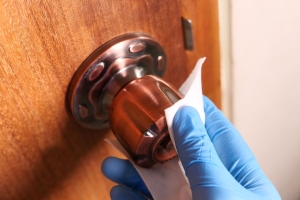
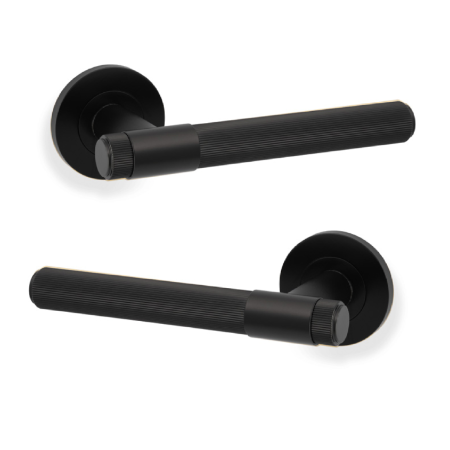
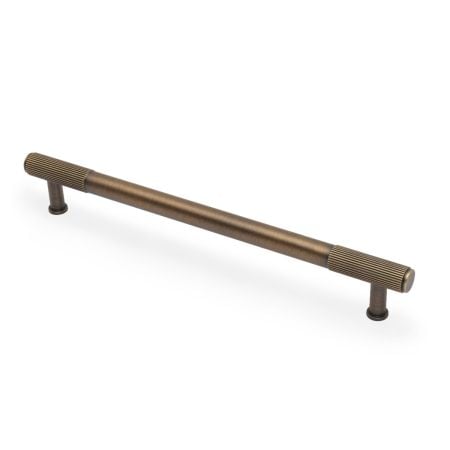
If you're selecting door handles, cabinet pulls, taps, or light switches, these elements get touched constantly whilst also contributing visually to overall interiors. They must function smoothly whilst also looking appropriate to your design scheme.
Understanding the importance of comfort-focused hardware helps recognise that door handles particularly need to balance aesthetic appeal with ergonomic function. Beautiful handles that feel awkward to use fail functionally. Comfortable handles in ugly finishes fail aesthetically.
Coordinated but Purposeful
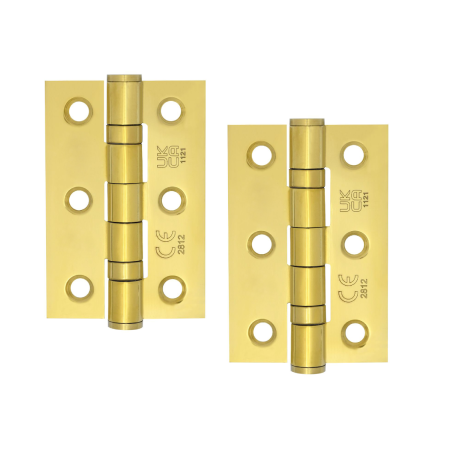
If you're updating hardware throughout, coordination creates visual cohesion, but different spaces might need different functional requirements. Bathroom taps need different characteristics than kitchen taps. External door hardware needs different security features than internal doors.
The balance is selecting hardware that coordinates visually whilst each piece serves its specific functional purpose appropriately.
Traffic Flow and Layout
Aesthetic Room Arrangement
If you're arranging furniture, beautiful symmetrical layouts don't work if they block natural traffic patterns or make rooms difficult to navigate. Function requires clear paths through spaces that don't force awkward navigation around furniture.
The most successful layouts accommodate traffic flow whilst also creating visual balance. This might mean asymmetrical arrangements that work functionally whilst achieving aesthetic balance through varied elements rather than perfect symmetry.
Negative Space
If you're tempted to fill every space with furniture or decoration, remember that empty space serves both function and aesthetics. Rooms need breathing room - both literally for movement and psychologically for visual calm.
Negative space allows traffic flow, creates visual rest, and prevents spaces feeling cluttered regardless of style. Minimal interiors obviously embrace this, but even maximalist spaces need some visual relief to prevent overwhelming chaos.
Security Without Sacrificing Style
Functional Safety
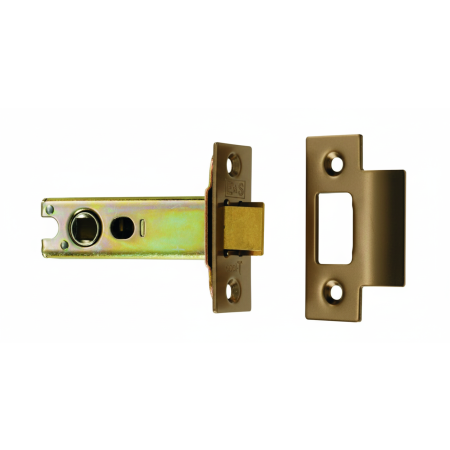
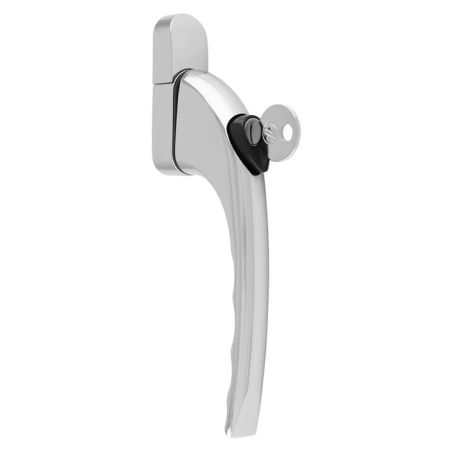
If you're considering security, it shouldn't mean ugly visible hardware that undermines aesthetics. Quality locks integrated into attractive hardware, subtle security lighting, and well-designed storage for valuables all provide function without visual compromise.
At Brass Works, we offer secure door hardware options that provide genuine security whilst maintaining design quality - proving that functional requirements and aesthetic preferences aren't opposing forces requiring compromise.
Achieving Integrated Design
If you're creating balanced interiors, the goal isn't compromising aesthetics for function or vice versa. It's recognising that the best solutions serve both simultaneously - beautiful spaces that also work brilliantly for daily life, functional choices that also contribute to visual appeal.
This requires thoughtful selection where every choice considers both criteria equally, rejecting the false dichotomy that treats beauty and utility as competing rather than complementary goals.