
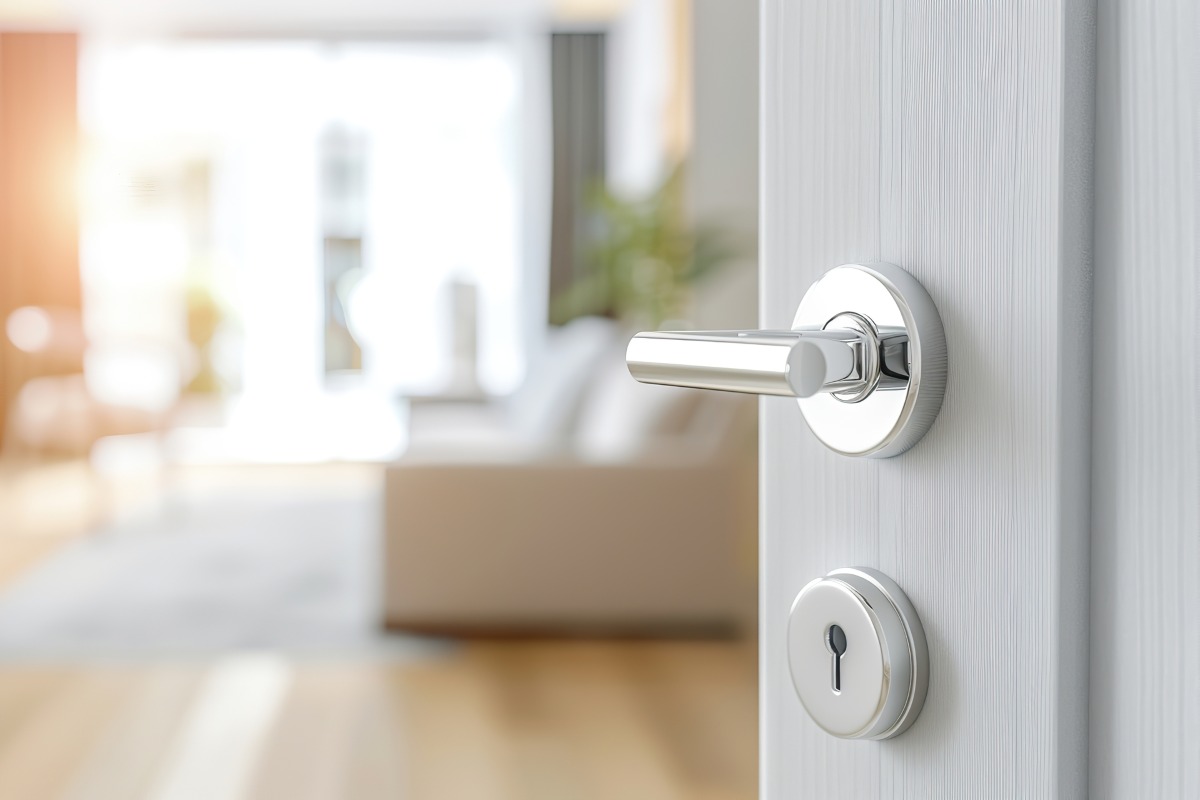
Interior design is frequently discussed in terms of sweeping gestures - the velvet sofa, the bespoke cabinetry, or the heritage paint palette. Yet, the true character of a home is often articulated in its smallest details. Door hardware is the first physical point of contact anyone has with a room; it’s a tactile introduction that sets expectations for the space beyond. If your home were a person, the door handles would be the handshake. A flimsy, mismatched handle suggests a lack of attention to detail, while a heavy, well-chosen piece of ironmongery signals quality and intent.
Matching your hardware to your home’s personality isn't merely about historical accuracy. It’s about creating a cohesive narrative that flows from the front door to the back of the house. In 2026, we’re seeing a move away from "safe" generic choices toward premium architectural door handle designs that serve as functional sculpture. Whether you’re restoring a Georgian townhouse or finishing a brutalist new-build, the metalwork you choose will either ground the design or detract from it.
Does Your Hardware Reflect A Minimalist Or Maximalist Spirit?
If your home’s personality leans toward the minimalist, you’re likely drawn to clean lines, hidden storage, and a palette that celebrates light and shadow. In this environment, the door handle shouldn't scream for attention. You’re looking for geometric precision - think slim levers with concealed roses or sleek pull bars in matte finishes. The goal here is a seamless integration where the hardware feels like a natural extension of the door’s architecture. A square-edged lever in a satin nickel or black finish provides that sharp, precise look that defines modern luxury.
Conversely, a maximalist home thrives on texture, history, and a "more is more" philosophy. Here, the door handle is a legitimate accessory. You might opt for ornate, heavy brass knobs with intricate knurling or aged bronze levers that feel substantial in the hand. The impact of door hardware on interior design is most visible in these expressive spaces, where the metalwork can echo the curves of a vintage mirror or the gold leafing on a picture frame. In a maximalist setting, your handles are an opportunity to add another layer of visual interest rather than simply blending into the woodwork.
How Do You Choose Handles For A Period Property?
Restoring a period home comes with a unique set of responsibilities. You’re not just decorating; you’re stewarding a piece of history. A Victorian villa demands something substantial, often in brass or porcelain, to match the high ceilings and heavy cornicing. If you’re working with a mid-century modern property, however, those same brass knobs would feel entirely out of place. Instead, you’d look for organic shapes and finishes like warm copper or brushed chrome that reflect the era’s fascination with industrial materials and ergonomic curves.
The key is to respect the "bones" of the house without being a slave to the past. Many homeowners are now opting for "transitional" hardware - pieces that have a foot in both worlds. A classic beehive knob in a modern matte black finish, for instance, acknowledges the Victorian heritage of a house while giving it a contemporary edge that suits 2026 living. It’s about finding the thread that connects the original architecture to your personal style, ensuring the house feels like a home rather than a museum.
What Does Your Choice Of Finish Say About Your Home?
The finish of your door hardware is perhaps its most expressive quality. It’s the color and texture that first catches the eye. Polished chrome and stainless steel suggest a clinical, efficient, and forward-thinking personality. These finishes are durable and easy to maintain, making them perfect for high-traffic modern apartments. They feel cool to the touch and reflect light, contributing to a crisp, high-tech aesthetic.
Warmer finishes like antique brass, bronze, or unlacquered copper suggest a home with a soul. These materials develop a "patina" over time, changing as they’re touched and aged by the atmosphere. This "living finish" is highly sought after by those who appreciate the beauty of imperfection and the passage of time. If your home’s personality is earthy, traditional, or rustic, these warmer metals will provide the necessary depth. They suggest a house that is lived in and loved, where every scratch and blemish tells a story of domestic life.
Is The Shape Of The Handle Influencing The Room's Mood?
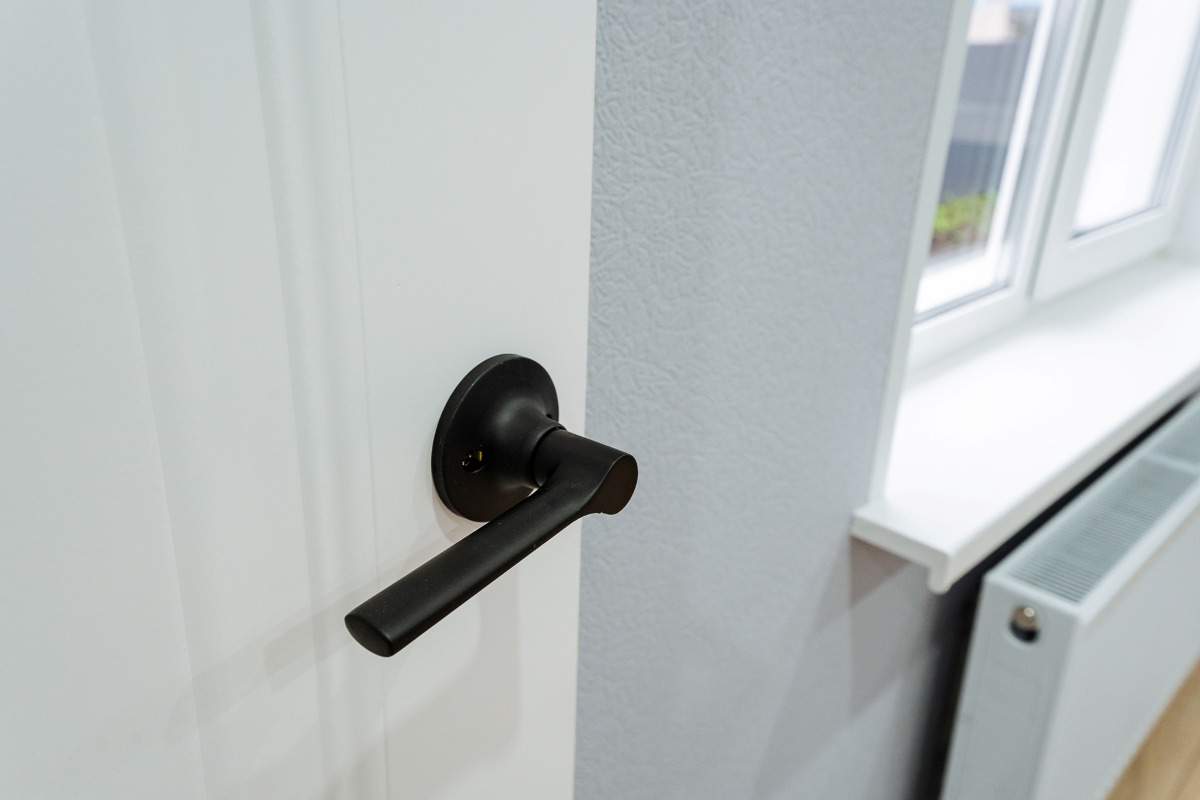
Beyond the finish, the actual silhouette of the handle dictates the "vibe" of a room. A lever handle with a soft, rounded end feels welcoming and gentle, making it an excellent choice for bedrooms and nurseries. In contrast, a handle with sharp, industrial edges or a knurled texture suggests a more masculine, professional, or utilitarian space. It’s a subtle psychological cue that tells the person entering what kind of room they’re stepping into.
Knobs generally feel more traditional and formal than levers. There’s a certain deliberate action required to turn a knob that makes the act of opening a door feel more significant. Levers, on the other hand, are the epitome of modern convenience and accessibility. If your home’s personality is casual and fluid, levers are the logical choice. If it’s stately and structured, the classic symmetrical weight of a door knob might be more appropriate to maintain that sense of order.
How To Mix And Match Without Losing Cohesion?
One of the most common questions in 2026 is whether you have to use the same handle throughout the entire house. The answer is no, but there must be a "red thread" that ties them together. You might choose to vary the shape of the handle based on the room’s function - levers for the kitchen and laundry, knobs for the formal lounge - while keeping the finish consistent. A house where every door has the same aged brass finish feels intentional, even if the styles differ.
Alternatively, you could keep the shape consistent but vary the finish to match the internal decor of each room. For example, a bathroom door might have a chrome handle on the inside to match the taps, while the side facing the hallway is matte black to match the rest of the house’s hardware. This "split finish" approach is a sophisticated way to manage different "personalities" within the same home without creating visual clutter in the communal corridors.
Why Quality Hardware Is A Long-Term Investment?
It’s tempting to save money on hardware during a renovation, but this is often a false economy. Cheap handles are made from lightweight alloys that lose their finish quickly and develop a "rattle" in the mechanism. A high-quality handle, however, has a "return" that feels crisp and a weight that feels reassuring. It’s a daily luxury that you’ll appreciate every time you move from room to room.
Investing in solid brass or stainless steel ensures that your hardware will stand up to decades of use. In 2026, sustainability is a key part of a home’s personality, and choosing "forever" hardware is the ultimate sustainable move. It prevents the waste of replacement and ensures that the character you’ve worked so hard to build in your home remains intact for the next generation of residents.
Finalising Your Narrative Through Detail
When you finally settle on your door hardware, take a moment to look at how it interacts with the other metals in the room - your light switches, cabinet pulls, and window stays. You don't need a perfect match, but you do need a conversation. When all these elements speak the same language, the "personality" of your home becomes undeniable. It transitions from being a collection of rooms to a curated, cohesive environment.


