




How Door Handles Work In Everyday Use
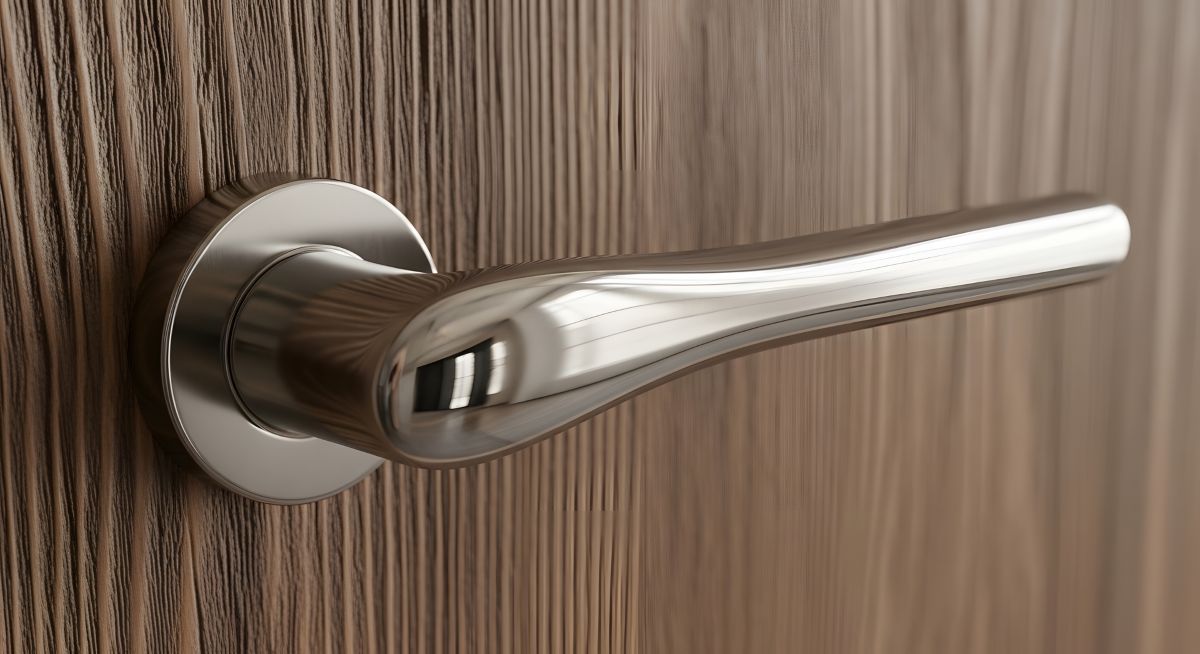
The mechanical simplicity of a door handle is perhaps the most overlooked triumph of domestic engineering. We interact with these devices dozens of times a day, usually without a second thought, yet the physics and ergonomics required to make that interaction feel effortless are remarkably complex. From the tactile resistance of the spring to the silent glide of the latch bolt, every movement is a calculated response to human force. In 2026, as we move toward increasingly automated homes, the traditional manual handle remains the gold standard for reliability and intuitive design.
A door handle is essentially a lever that converts rotational force into linear motion. When you depress a lever or turn a knob, you’re engaging a spindle that retracts a spring-loaded latch from the strike plate in the door frame. It is a sequence of events that must happen in milliseconds, with enough resistance to feel substantial but not so much that it becomes a barrier to entry. For homeowners and designers, understanding this internal choreography is the first step in appreciating why some handles feel like precision instruments while others feel like afterthoughts.
What Are The Internal Mechanics Of A Standard Lever?
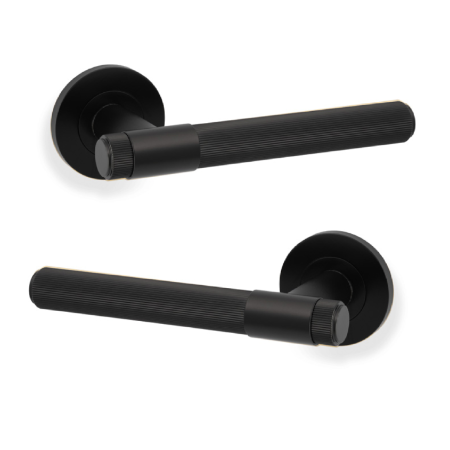
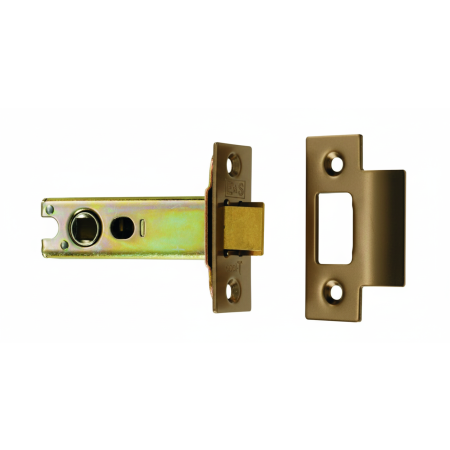
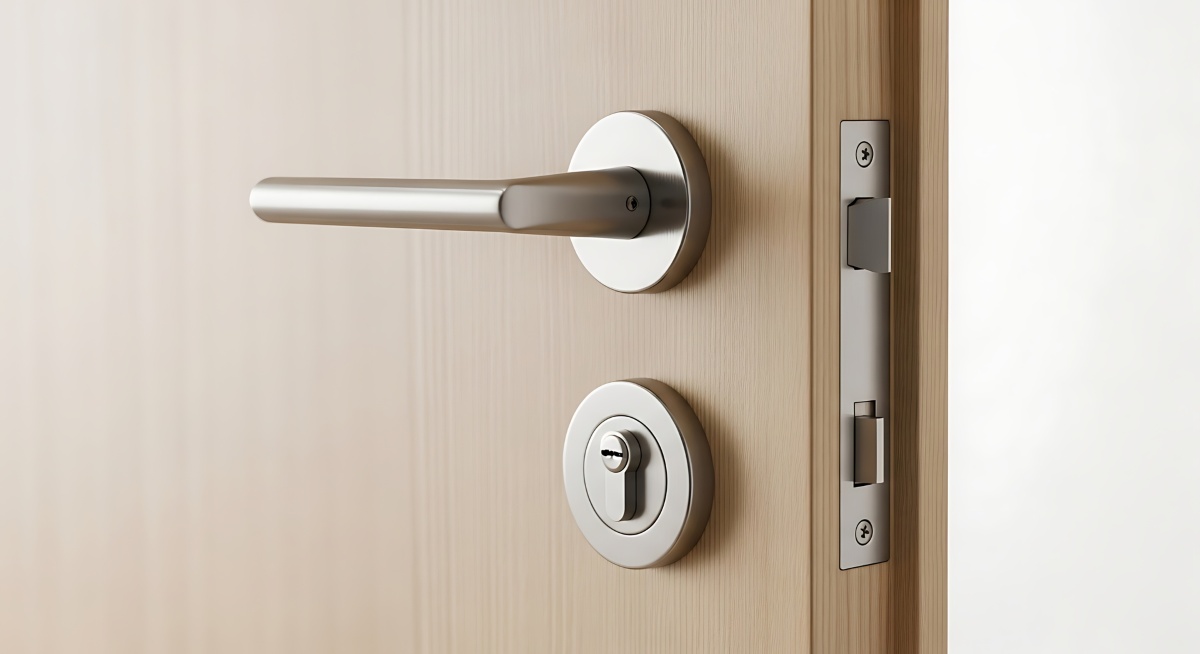
Inside the rose or backplate of a high-quality lever sits the heart of the mechanism: the follower and the return spring. When you push down on the handle, the square spindle passes through a hole in the door's mortice lock or tubular latch. This spindle rotates the follower, which in turn pulls back the spring-loaded bolt. The "click" you hear when the door closes is that bolt snapping back into the recessed hole of the frame, held there by the tension of the internal spring.
The quality of this spring is what defines the user experience. A weak spring will eventually cause the handle to sag, a common aesthetic and functional failure in budget hardware. A robust, high-specification spring ensures the handle snaps back to a perfectly horizontal position every time. For those interested in the science behind ergonomic door handle design, the tension must be calibrated to the average strength of a human grip, ensuring that children and the elderly can operate the door as easily as a healthy adult.
How Do Knobs Differ From Levers In Function?
While the end result - opening the door - is the same, the mechanical action of a knob is fundamentally different from a lever. A knob requires a twisting motion, which utilizes the small muscles of the wrist and the grip strength of the hand. Because a knob has a shorter radius than a lever, it requires more torque to achieve the same rotation. This is why knobs are often perceived as more traditional or formal; the action of turning them is more deliberate and "weighty" than the quick flick of a lever.
Levers, conversely, take advantage of mechanical advantage. The length of the handle acts as a force multiplier, meaning very little pressure is needed to retract the latch. In modern architecture, levers are frequently preferred because they can be operated with an elbow or the side of a hand if your arms are full of groceries. Whether you prefer modern and classic door handle styles, the choice between a knob and a lever often comes down to a balance between aesthetic preference and the specific physical needs of the household.
Why Does The Weight Of The Handle Matter?
When you grasp a door handle, your brain immediately registers its mass. A hollow, thin-walled handle feels cheap and unreliable, whereas a solid brass or stainless steel handle provides a sense of security and permanence. This isn't just a psychological trick; mass affects the inertia of the movement. A heavier handle has a more dampened, smooth rotation, which reduces the "clatter" often associated with lightweight aluminum or plastic fittings.
Solid metal handles also dissipate heat differently and provide a more stable platform for the internal components. When the handle is heavy and well-fitted, there is no "play" or wobble in the mechanism. This stability prevents the spindle from stripping the internal threads over years of use. In a high-traffic family home, the difference between a solid handle and a hollow one can be the difference between a five-year lifespan and a fifty-year one.
What Role Does The Latch Play In Smooth Operation?
A door handle is one of the few items in a home that is touched every single day, often by multiple people. This constant contact introduces oils, moisture, and friction to the metal surface. Friction-based finishes, like polished chrome, are incredibly hard-wearing because the metal is electroplated at a molecular level. These finishes resist tarnish and maintain their mirror-like shine with nothing more than a quick wipe.
"Living" finishes, such as unlacquered brass or bronze, are designed to change. The acidity in human skin reacts with the copper in the brass, causing it to darken and develop a unique patina over time. In everyday use, the parts of the handle you touch the most will stay bright and polished, while the crevices will darken. This creates a beautiful, aged look that is highly prized in heritage restoration. Understanding how your chosen finish reacts to daily life is essential for ensuring your hardware looks as good in five years as it does on the day of installation.
The Importance Of Maintenance For Longevity
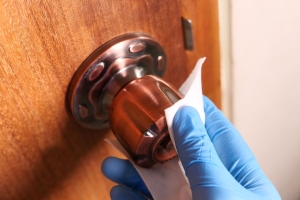
Even the best-engineered handle requires occasional care. Over thousands of cycles, the lubrication inside the latch can dry out or attract dust, leading to a "gritty" feeling when you turn the handle. A small drop of graphite or light machine oil on the latch bolt and the spindle once a year is usually enough to keep the mechanism gliding.
You should also periodically check the "grub screws" - the tiny screws that hold the handle onto the spindle. In high-use doors, the vibration of the latch snapping shut can slowly loosen these screws. Tightening them once a year prevents the handle from coming loose in your hand and ensures that the force you apply to the lever is transferred efficiently to the internal bolt.
Designing For The Future Of The Home
As we look toward the future of interior design, the physical handle remains an irreplaceable element of the home. While smart locks and biometric scanners are becoming more common, they still rely on the same mechanical principles of levers and latches to physically secure the door. The satisfying "thud" of a well-fitted door closing is a sensory cue of safety and privacy that digital sounds cannot replicate.
Choosing hardware that works perfectly in everyday use is about more than just aesthetics; it’s about the quiet satisfaction of a home that functions seamlessly. When the handles are right, you don't notice them - you simply move through your space with ease. That effortless movement is the ultimate goal of good ironmongery.