




8 Different Types Of Door Handle
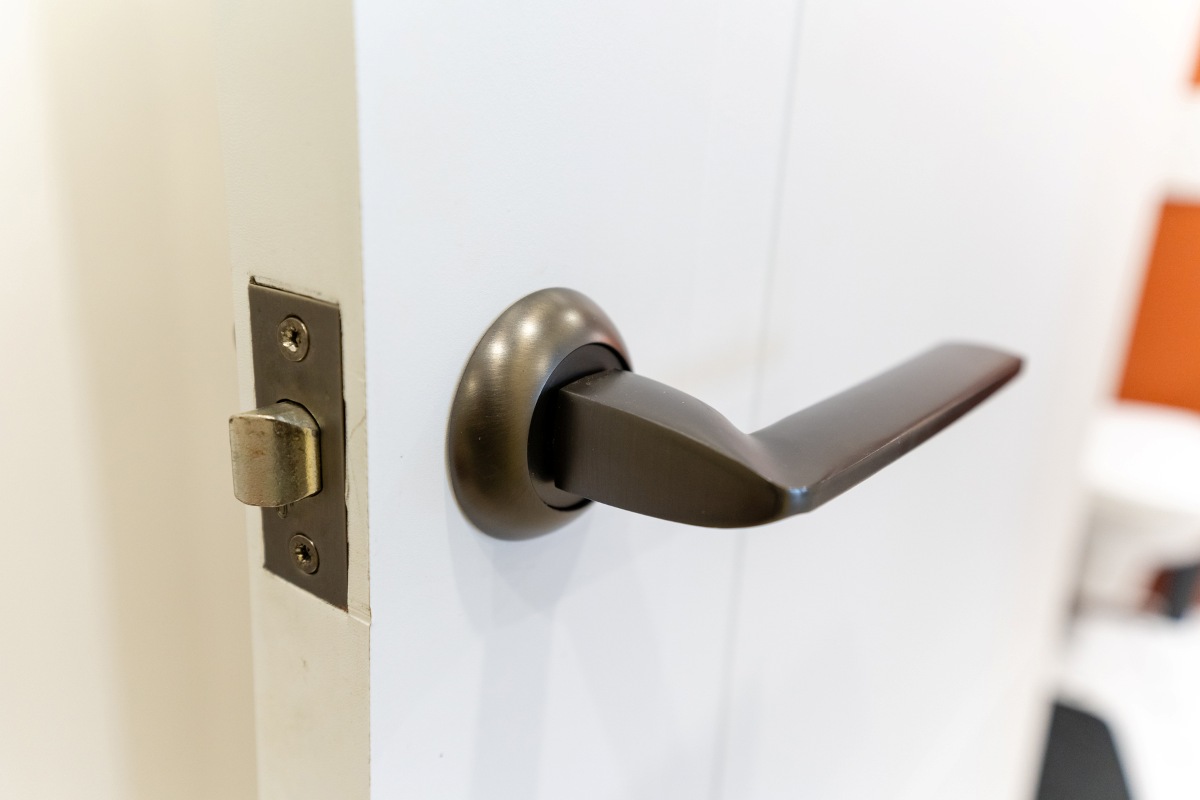
Selecting ironmongery for a renovation often feels like learning a new language. Terms like "backplate," "rose," and "escutcheon" are thrown around, leaving many homeowners wondering why a simple lever has so many variations. In reality, the type of handle you choose dictates not only the aesthetic of the room but also the mechanical preparation required for the door itself. From the classic circular knob to the modern privacy lever, each silhouette serves a specific functional purpose and architectural style.
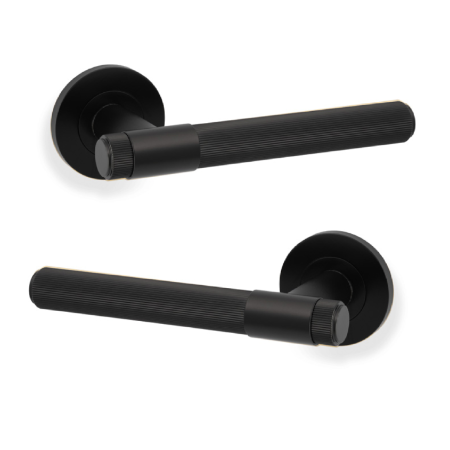
In 2026, the trend is moving toward highly tactile and specialized hardware. We are no longer settling for the generic "builder grade" handles that used to dominate the market. Instead, there is a renewed interest in how the shape of a handle interacts with the hand and the eye. Whether you are looking for the sleekness of matte black door hardware designs or the weight of a traditional brass knob, understanding the eight primary types of door handles is the first step in a successful interior upgrade.
1. Lever On Rose Handles
The lever on rose is currently the most popular choice for modern British homes. The "rose" is the circular or square plate that the lever is attached to, hiding the internal fixings and the spindle. This design is favored for its minimalist appearance - as the plate is small, it allows more of the door’s timber or finish to remain visible.
These handles are incredibly versatile because they don't have a built-in keyhole. If you need to lock the door, you simply install a separate escutcheon (a small matching cover) for a keyhole or a thumb-turn below the handle. This modular approach allows for a clean, consistent look across every door in the house, regardless of whether that specific room requires a lock.
2. Lever On Backplate Handles
A more traditional alternative to the rose is the lever on the backplate. This type features a long vertical plate that houses both the lever and the locking mechanism. These are often found in older properties or grander interior schemes where the hardware is intended to be a prominent design feature.
The backplate serves a practical purpose too - it can hide old screw holes or indentations from previous hardware, making it an excellent choice for restoration projects. You can find these in various configurations, including "latch" (plain backplate), "lock" (with a keyhole), and "bathroom" (with an integrated thumb-turn). Understanding the requirements of internal vs external door handles is vital here, as backplate designs for external doors often feature extra weather-sealing and more robust security features.
3. Mortice Door Knobs
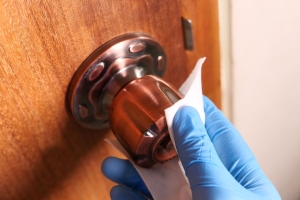
Before the lever became the standard, the mortice knob was the king of the English home. These are circular, oval, or "beehive" shaped handles that operate a mortice latch. While they require a twisting motion rather than a push-down motion, many people prefer the symmetrical, balanced look they provide.
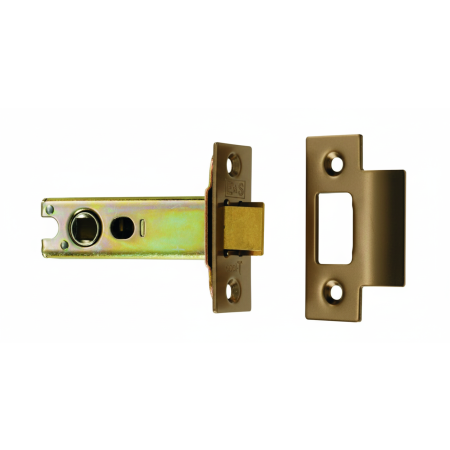
When installing knobs, it is essential to use a "double sprung" latch. Knobs don't have the same natural leverage as a handle, so the internal spring needs to be stronger to ensure the knob returns to its original position. They also require a "larger backset" - meaning the knob sits further away from the edge of the door - to prevent you from catching your knuckles on the door frame when you turn it.
4. Rim Knobs And Latches
Rim hardware is distinct because the entire locking mechanism sits on the surface of the door rather than being tucked inside a carved-out pocket. You’ll typically see these in period cottages or rustic interiors. The rim knob is attached to a "rim lock" box that is screwed onto the face of the door.
This is a visible, industrial look that celebrates the mechanics of the door. While it isn't used as often in modern new-builds due to the space it occupies on the door face, it is the only authentic choice for heritage restorations where the doors are too thin for a traditional internal mortice lock.
5. Pull Handles And D-Handles
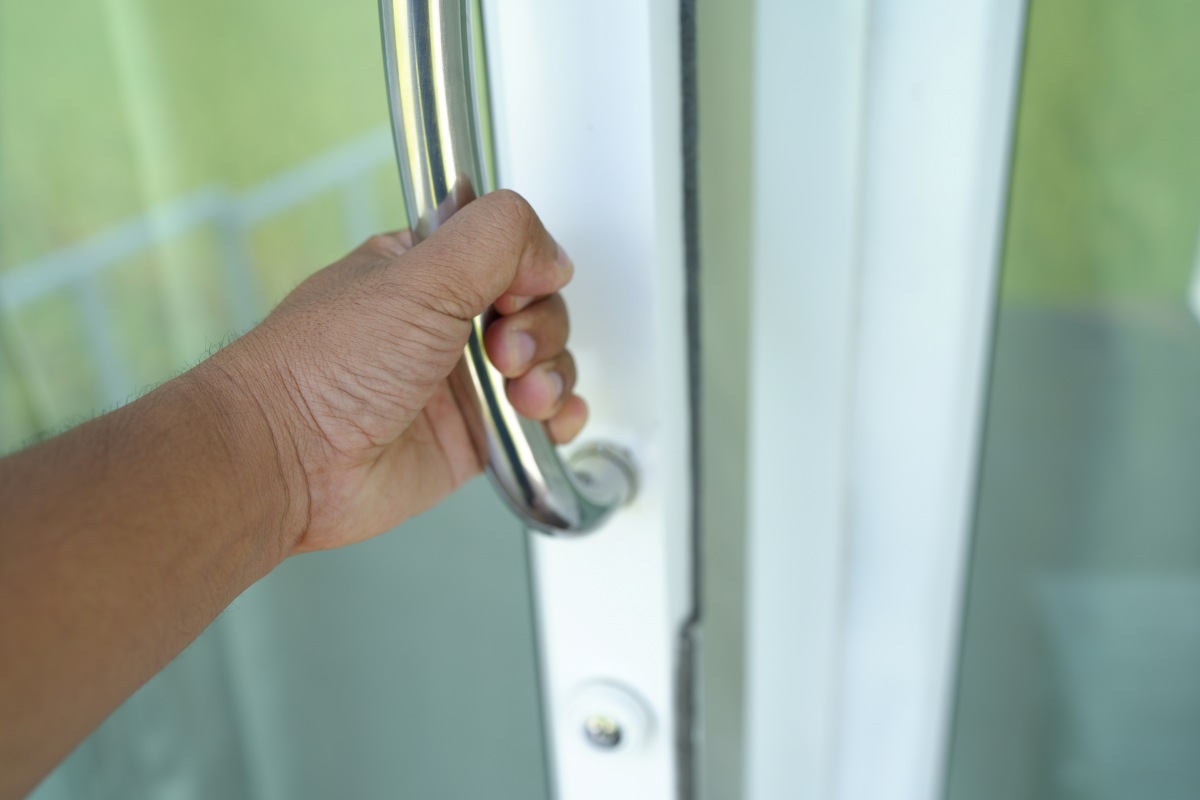
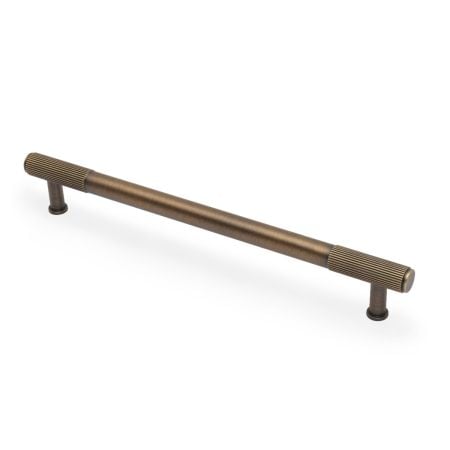
Pull handles are the simplest form of door hardware because they don't rotate. They are used on "push-pull" doors that are held closed by a ball catch or a magnetic latch rather than a traditional bolt. You will often see these on kitchen larders, heavy double doors leading into a lounge, or commercial settings.
In 2026, oversized pull handles are becoming a major statement piece in residential design. A long, vertical pull handle in a knurled brass or matte black finish can turn a plain door into an architectural feature. Because they have no moving parts, they are virtually indestructible and offer a very clean, linear aesthetic.
6. Privacy Levers And Thumb-Turns
While not a completely different "shape," the privacy handle is a specific functional type used for bathrooms and bedrooms. These handles feature an integrated thumb-turn on the inside and an emergency release slot on the outside. This allows the occupant to lock the door easily without needing a physical key.
The emergency release is a critical safety feature - it allows someone outside to open the door with a coin or a screwdriver in the event of a fall or an accident. In modern design, these thumb-turns are usually styled to match the rose or backplate of the main handle, ensuring that the safety hardware doesn't compromise the room's aesthetic.
7. Dummy Handles
A dummy handle is a non-functional lever or knob that is fixed stationary to the door. These are used almost exclusively on wardrobe doors or small cupboards that use a magnetic catch to stay shut. You get the visual look of a full-sized door handle without the need for a spindle or a latch mechanism.
Dummy handles are an excellent way to maintain visual continuity in a hallway. If you have four bedroom doors and one small linen cupboard, using a dummy handle on the cupboard ensures that the "line" of hardware remains unbroken, even though the cupboard door doesn't technically need a turning handle to open.
8. Flush Pulls And Recessed Handles
For sliding doors or "pocket" doors that disappear into the wall, traditional handles are impractical because they would hit the door frame. Instead, we use flush pulls. These are recessed into the timber of the door, providing a grip for your fingers without protruding from the surface.
Flush pulls have evolved from simple utility items into high-end design pieces. You can find them in elongated rectangular shapes or circular "cup" styles. They are essential for saving space in smaller homes or for creating the "minimalist" hidden-door look that is so prevalent in contemporary architecture.
How To Choose The Right Type For Your Project
The right choice depends entirely on your door's construction and the room's function. If you are replacing existing handles, you generally want to stick to the same "footprint" - for example, replacing a backplate with another backplate - to avoid expensive joinery work to patch up the door.
However, if you are installing new doors, you have the freedom to choose based purely on style and ergonomics. Consider who will be using the door; levers are generally easier for those with limited mobility, while knobs provide a classic, secure feel. By selecting a consistent finish, such as matte black or polished brass, you can mix and match these types across the house while maintaining a professional, cohesive look.