
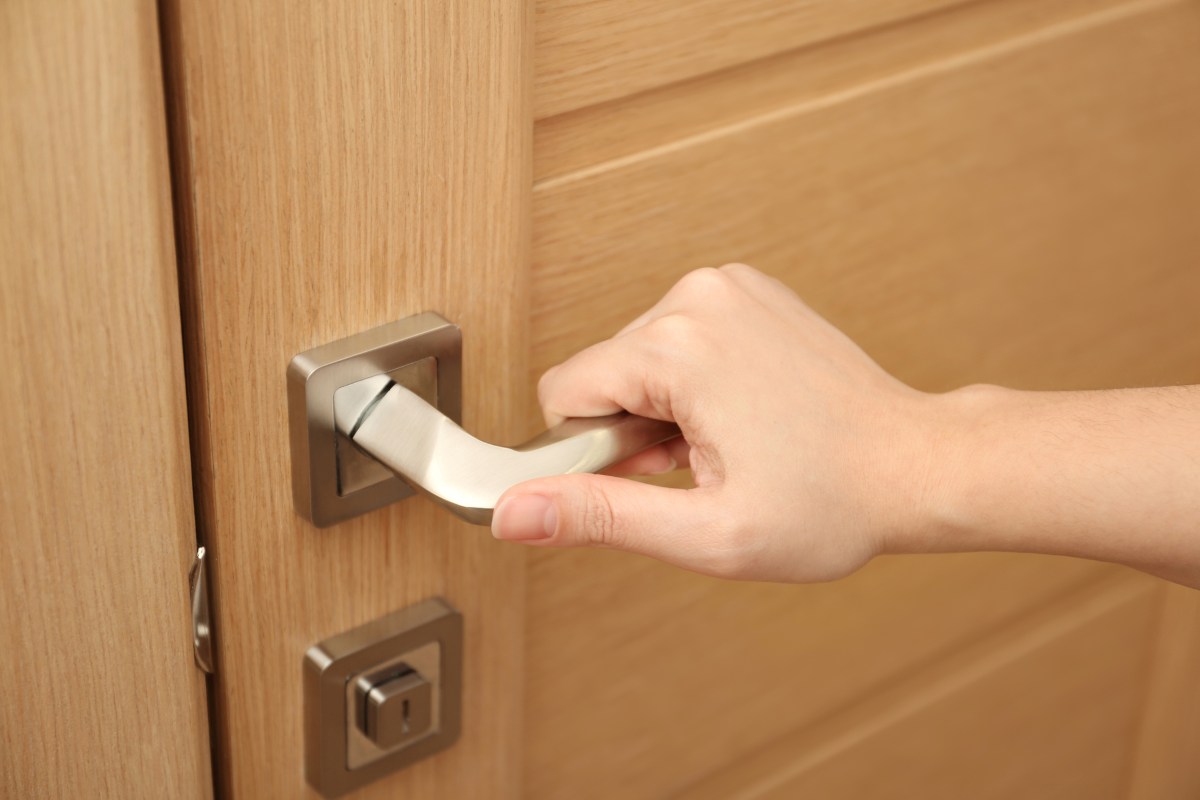
If you are buying new door handles, you may come across the terms sprung and unsprung. At first, they sound technical, but the difference is actually quite simple.
A sprung handle has a spring built into the handle itself, while an unsprung handle relies on the spring inside the latch or lock case to return the handle back to its resting position. That small difference affects how the handle feels, what kind of latch it works with, and whether it is likely to sag over time.
This guide explains what sprung and unsprung door handles are, how they work, and which one is usually the better choice for your door.
Why this choice matters
A door handle is not just a decorative part on the face of the door. It works as a lever that turns a spindle and pulls back the latch inside the door so the door can open. For that movement to feel smooth, the handle needs to return properly after each use.
If the spring setup is wrong, the handle may feel loose, fail to return fully, or start to droop. That is why sprung and unsprung handles should not be treated as a style choice alone. They need to match the mechanism inside the door.
If you want to understand more about how door handles work, it helps to start with the way the spindle, latch, and return spring all work together.
What is a sprung door handle?
A sprung door handle has its own built-in spring mechanism inside the rose or backplate. When you press the handle down and let go, that spring helps bring the handle back to a level, horizontal position.
This built-in support can reduce strain on the latch or lock case and helps give the handle a firmer, more positive return after use.
Sprung handles are widely used on standard residential doors and are usually the most common choice for internal doors in modern homes.
What is an unsprung door handle?
An unsprung door handle does not have a spring inside the handle. Instead, it depends fully on the spring inside the tubular latch or mortice lock to return the handle back into place.
That means the latch or lock case has to do more of the work. If that internal spring is not strong enough, the handle may not return properly and can start to sit slightly lower than it should.
Unsprung handles are often used in more specialist or architectural settings, and they are also common with some heavier solid metal or period-style designs.
The main difference in simple terms
The easiest way to understand it is this.
A sprung handle helps itself back into position. An unsprung handle needs the latch or lock case to do that job.
That is why sprung handles are usually seen as the safer and more straightforward option for most homes. They are generally easier to pair with standard residential latches and are less likely to develop sagging if the internal latch spring is average rather than heavy-duty.
Which is better for most homes?
For most internal doors, a sprung handle is usually the better choice.
That is because it offers more reliable return, suits most standard latch setups, and places less pressure on the internal mechanism over time. If you are replacing handles in a typical house and you want an option that is easy to live with, sprung handles are normally the practical answer.
This is especially true if the handle is used often, such as on bedroom, kitchen, or living room doors. The more the handle is used, the more helpful that extra spring support can be.
If you are browsing premium lever furniture for interior doors, sprung options are often the easiest fit for everyday domestic use.
When might an unsprung handle be the better choice?
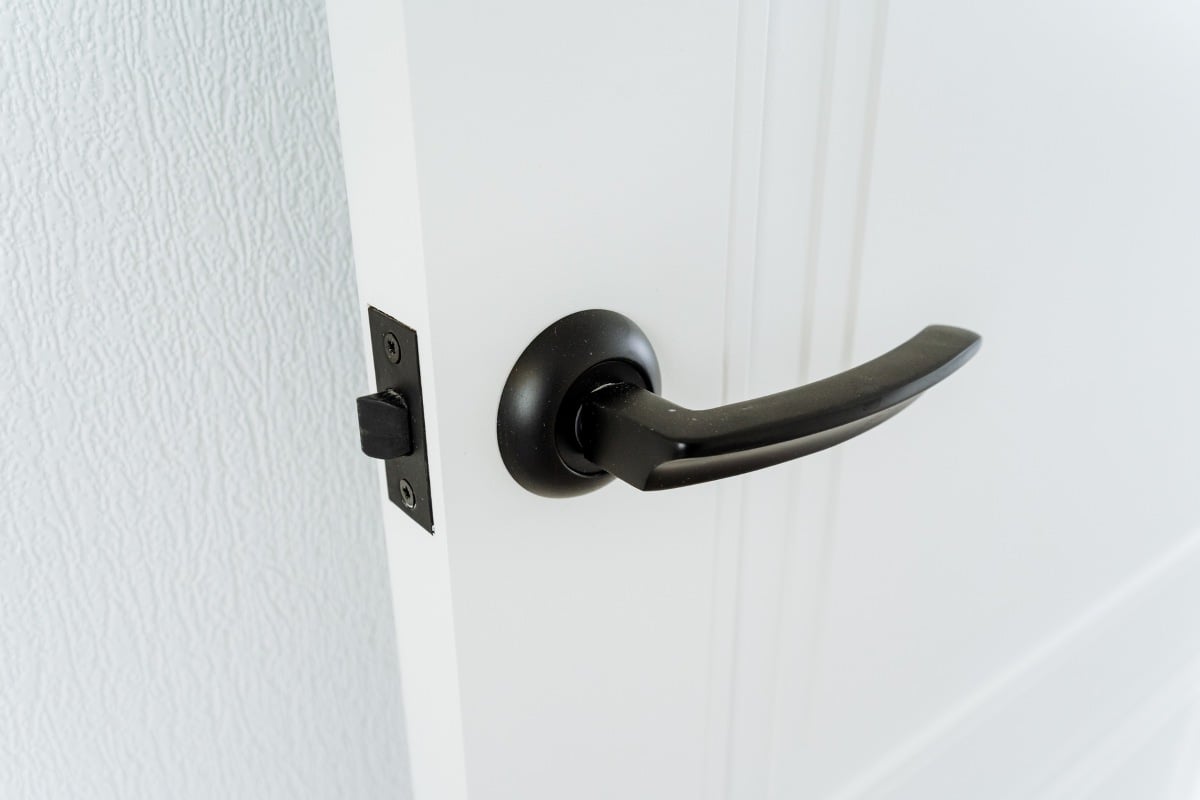
Unsprung handles are not worse by default. They are just more dependent on the rest of the hardware.
They can be a good choice when:
- you already have a strong heavy-duty latch or lock case
- you want a specific architectural or heritage handle style
- the handle has been designed to work as an unsprung model
- you are matching existing hardware in an older property
In these cases, an unsprung handle can work very well. But the key point is compatibility. If the latch spring is weak, the result may feel poor even if the handle itself is high quality.
Can unsprung handles sag?
Yes, they can.
Because an unsprung handle relies on the latch or lock case spring, any weakness in that spring can lead to the lever not returning fully. Over time, the handle may start to droop or feel loose.
This is one reason many suppliers recommend sprung handles for normal household use. They give more support and lower the risk of that sagging look.
A sagging handle does not always mean the handle itself is faulty. Sometimes the real problem is the latch inside the door.
Does handle weight make a difference?
Yes, it does.
Heavier solid metal handles can put more demand on the return mechanism. The weight of the handle affects how stable and smooth the movement feels in daily use, and heavier handles need good spring support to avoid wobble or poor return over time. That is why spring compatibility matters even more with solid or substantial handle designs.
If you are choosing a heavier handle, you should pay extra attention to whether it is sprung or unsprung and what kind of latch it will be paired with.
Are sprung handles always better?
Not always, but they are usually the simpler choice.
If your goal is easy fitting, reliable everyday performance, and less chance of drooping, sprung handles are often the safer option. But if you are working on a period renovation, matching a certain design, or fitting a handle that was made to be unsprung, then an unsprung model may be the right fit.
The real question is not which type sounds better on paper. It is which type works best with your door’s latch or lock case.
What should you check before buying?
Before choosing between sprung and unsprung handles, check:
- whether your current latch or lock case has a strong return spring
- whether the handle you like is designed as sprung or unsprung
- whether the handle is light or heavy
- whether the door is a normal internal door or part of a more specialist setup
- whether you are replacing like for like or changing the whole mechanism
These details matter more than many people expect.
Final thoughts
Sprung and unsprung door handles can both work well, but they do not work in the same way.
A sprung handle has its own built-in spring and is usually the best option for most internal residential doors. An unsprung handle depends on the latch or lock case to bring it back into position, so it needs the right hardware behind it to work properly.
If you want the simplest and most reliable setup, sprung handles are often the better choice. If you want a specific design or are fitting a handle to a strong existing lock case, an unsprung handle may still be a good option. The key is making sure the handle and the internal mechanism are matched properly from the start.


