







How Door Hardware Can Increase Perceived Property Value

When people think about increasing property value, they usually focus on major renovations. Kitchens, bathrooms, flooring, and extensions tend to dominate the conversation.
What often gets overlooked are the smaller details that influence how a property feels when someone walks through the door.
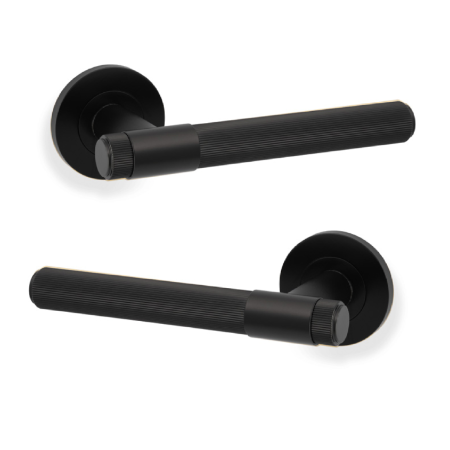
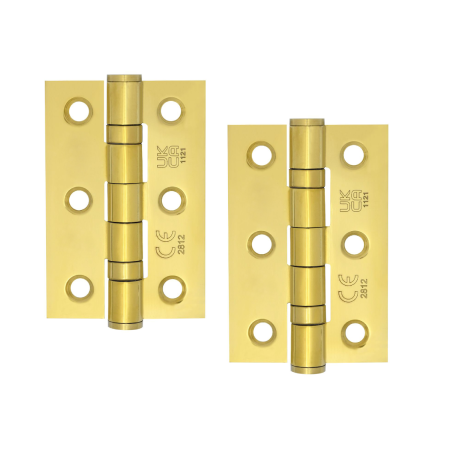
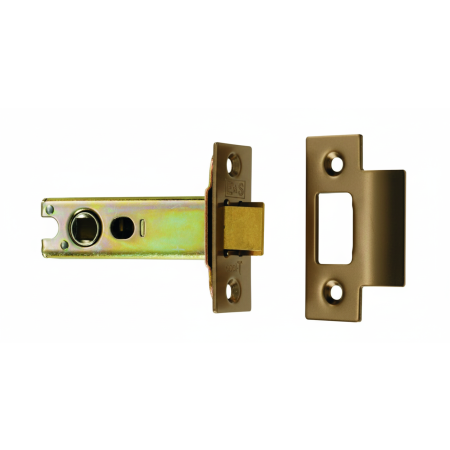
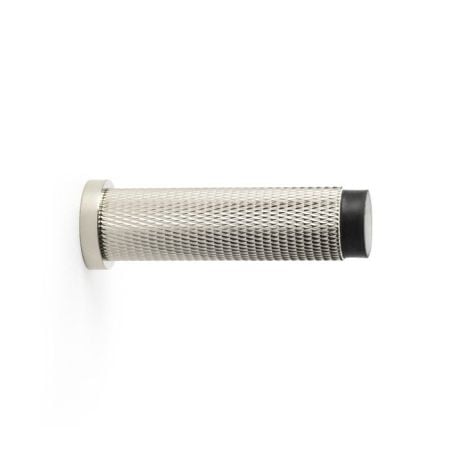
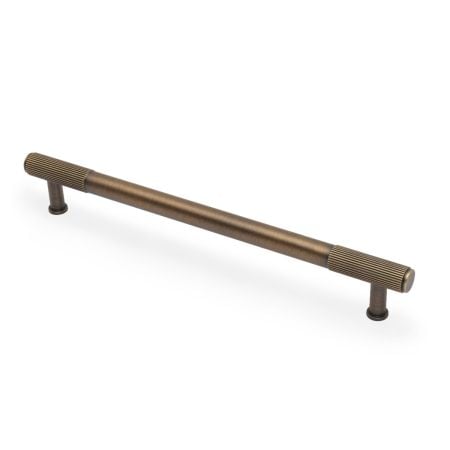
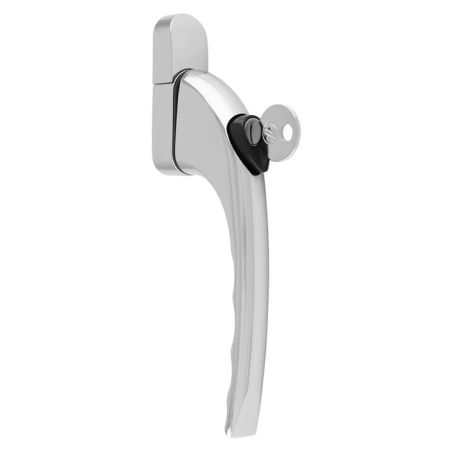
Door hardware falls into this category. Handles, hinges, escutcheons, locks, and other visible fittings are used every day, yet they rarely receive much attention until they start looking worn or feeling cheap. The right hardware will not add tens of thousands of pounds to a home's market value, but it can significantly influence perceived value, which often matters just as much during a sale.
Buyers form opinions quickly. Quality hardware helps create an impression of care, consistency, and attention to detail throughout the property.
Why Perceived Value Matters
Property value is not determined solely by square footage, location, or comparable sales.
Perceived value influences how buyers respond emotionally to a home. Two similar properties can receive very different reactions depending on presentation and finish quality.
When buyers encounter loose handles, tarnished fittings, mismatched finishes, or visibly worn hardware, they may assume other parts of the property have been neglected as well. Conversely, well-chosen hardware can create the impression of a home that has been thoughtfully maintained.
These details contribute to the overall experience of moving through the property and help reinforce the quality of larger investments elsewhere in the home.
Door Hardware Creates A Strong First Impression
Front doors receive considerable attention during viewings.
The handle is often one of the first physical interactions a prospective buyer has with the property. A substantial, well-finished handle immediately communicates quality in a way that lightweight or worn hardware cannot.
The same principle continues throughout the interior.
Every time a buyer opens a door, they interact with the hardware. Smooth operation, solid construction, and a quality finish contribute to the perception that the property has been upgraded with care rather than fitted with the cheapest available components.
Because door hardware is touched repeatedly during a viewing, its impact is often greater than homeowners realise.
Consistency Makes A Property Feel More Expensive
One of the most common mistakes is treating each room separately when selecting hardware.
Different handle styles, mixed finishes, and inconsistent quality levels can make a property feel disjointed. Even if individual fittings are attractive, a lack of cohesion creates visual noise.
Properties that feel more expensive typically have a consistent design language throughout. Matching finishes across door handles, hinges, cabinet hardware, and other visible metalwork helps create that sense of continuity.
This does not mean every fitting must be identical. Rather, they should belong to the same design family and complement the overall style of the property.
Consistency creates a polished appearance that buyers often associate with higher-end homes.
Quality Materials Signal Long-Term Value

Material choice plays an important role in perceived quality.
Solid brass hardware, for example, has a weight and durability that is immediately noticeable when compared with lower-cost alternatives. Buyers may not know the exact material specification, but they can usually recognise the difference between a substantial handle and one that feels hollow or flimsy.
Durable materials also age more gracefully.
High-quality hardware often develops character over time rather than simply deteriorating. This helps maintain the property's appearance and reinforces the impression that quality materials have been used throughout the home.
When buyers see evidence of lasting quality in smaller details, they are often more confident about the condition of the property as a whole.
Hardware Helps Define Interior Style
Door hardware plays a surprisingly important role in supporting interior design.
Traditional brass fittings can complement period properties, while more contemporary finishes may suit modern homes better. The right hardware helps strengthen the architectural character of the property and makes design choices feel intentional.
This is particularly important when homeowners are making other improvements before selling.
Those considering broader interior upgrades that increase property value should ensure that hardware choices support the overall design direction rather than competing with it. A cohesive approach helps buyers see the property as a complete package rather than a collection of unrelated improvements.
Small Investment, Visible Impact
Compared with many home improvement projects, upgrading door hardware is relatively affordable.
Replacing handles throughout a property generally costs far less than renovating a kitchen or bathroom, yet the results are visible in every room.
This makes hardware one of the more cost-effective finishing upgrades available to homeowners preparing a property for sale.
Because buyers interact with doors repeatedly during viewings, improvements are noticed more often than many other decorative updates. The return comes less from the direct cost of the hardware and more from the overall impression it creates.
Choosing Hardware That Enhances Value
The goal is not necessarily to choose the most expensive hardware available.
Instead, homeowners should focus on quality, durability, and suitability for the property's style.
Look for hardware that feels substantial, operates smoothly, and complements existing architectural features. Finishes should be coordinated throughout the home, and visible wear should be addressed before the property is marketed.
For homeowners seeking a wide selection of door handles for residential and commercial spaces, choosing high-quality hardware that balances aesthetics and durability can help create the refined appearance buyers expect from well-maintained properties.
Final Thoughts
Door hardware will not transform a property's market value on its own, but it can influence how buyers perceive the home from the moment they arrive.
Quality fittings signal care, consistency, and attention to detail. They support interior design choices, improve everyday functionality, and contribute to the overall impression of quality that buyers carry with them after a viewing.
When preparing a property for sale, the smallest details are often the ones people remember. Well-chosen door hardware is one of those details, helping a home feel more complete, more considered, and ultimately more valuable in the eyes of prospective buyers.


