
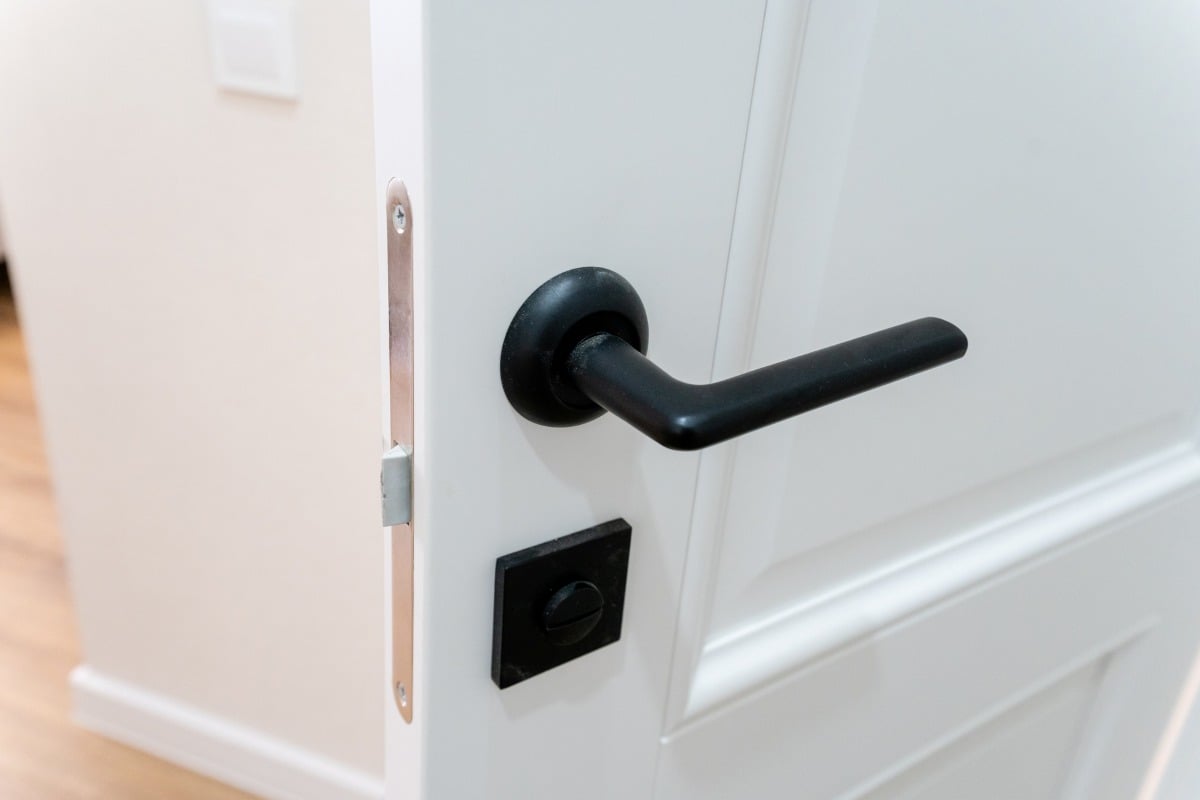
A door handle is often viewed through the lens of aesthetics - a finishing touch that complements a room's decor - but its primary function is far more utilitarian. In the hierarchy of home design, the handle is the critical interface for both security and accessibility. It is the gatekeeper of your privacy and the primary tool for movement within the home. In 2026, the convergence of smart technology and inclusive design has redefined what we expect from our ironmongery. A handle must now be as easy for a five-year-old or an elderly resident to use as it is difficult for an intruder to bypass.
For homeowners and developers, the challenge lies in balancing these two often-competing requirements. A high-security handle can sometimes be cumbersome and difficult to operate for those with limited dexterity, while an ultra-accessible "easy-open" lever might lack the structural robustness needed for an external entry point. Achieving a truly "intelligent" home means selecting hardware that addresses both ends of the spectrum without compromise.
How Door Handles Contribute To Physical Security
While the lock and the cylinder are the heavy lifters of home security, the handle plays a vital supportive role. On external doors, the handle is often the first point of attack for a burglar. "Handle snapping" or "lock snapping" occurs when an intruder applies significant force to the handle backplate to gain access to the internal locking mechanism. High-quality door hardware with built-in locking mechanisms is designed to resist this kind of physical manipulation.
Security-rated handles often feature reinforced backplates and "sacrificial" sections. These are designed to snap in a specific way that leaves the internal lock protected and inaccessible even if the external handle is removed. Furthermore, the material choice is paramount. Solid-forged metals are significantly harder to drill through or bend than hollow zinc alloys. If you are looking for how to improve home security, upgrading the physical robustness of your external handles is one of the most cost-effective deterrents you can install.
The Shift Toward Ergonomic Accessibility
Accessibility in the home - often referred to as "Universal Design" - is no longer a niche requirement for the elderly or disabled; it is a standard for modern living. The fundamental principle is that a home should be usable by everyone, regardless of their age or physical ability. In this context, the traditional round door knob is increasingly being replaced by the lever handle.
A door knob requires a "pinch and twist" motion that can be difficult for anyone with arthritis, tremors, or even someone carrying a heavy laundry basket. A lever handle, however, can be operated with a downward push using a wrist, an elbow, or a single finger. This ease of use is essential for maintaining independence within the home. In 2026, we are seeing levers with slightly curved ends - often called "return-to-door" handles - which prevent clothing from catching on the lever and provide an easier grip for those with limited hand strength.
What Makes A Handle "Secured By Design"?
"Secured by Design" is an official police security initiative that sets the standard for robust hardware in the UK. When a handle carries this accreditation, it has undergone rigorous testing against common burglary methods. This includes resistance to "picking," "bumping," and the aforementioned snapping.
One of the key features of these handles is the cylinder guard. This is a raised section of the backplate that surrounds the keyhole, making it much harder for an intruder to get a grip on the lock cylinder with a pair of pliers. For internal doors where security is less of a concern, these features are unnecessary, but for any door that leads to the outside world - including garage doors and side gates - these specifications are non-negotiable for a safe home environment.
Designing For Vision Impairment And Neurodiversity
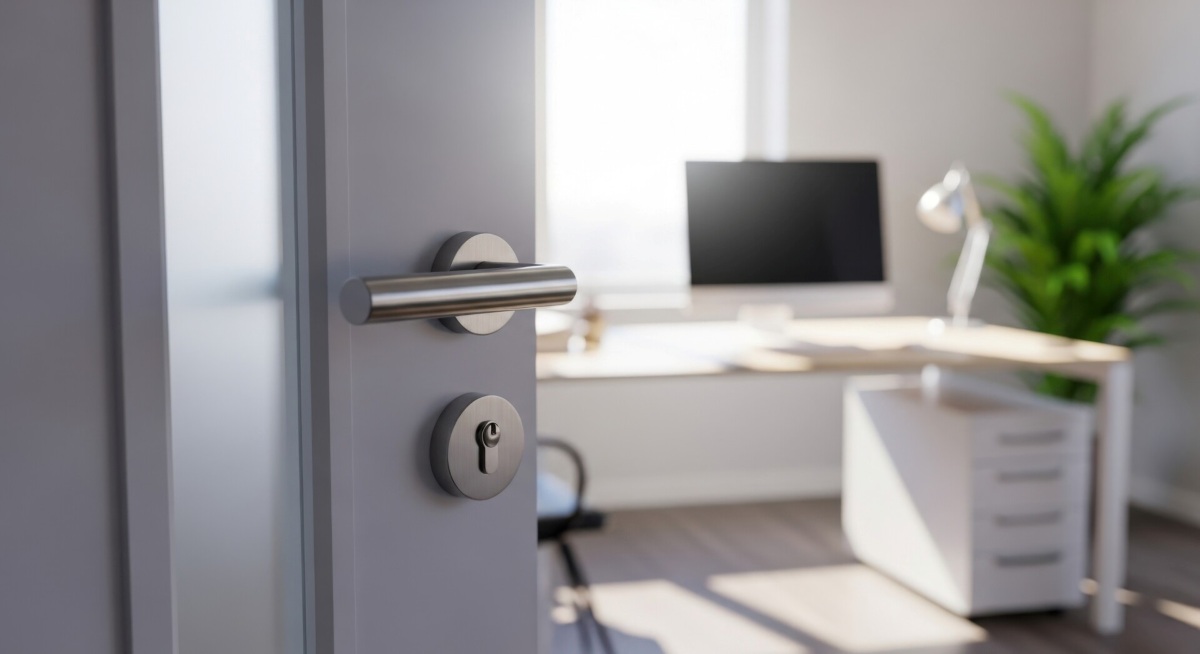
Accessibility isn't just about physical strength; it’s also about sensory navigation. For residents with low vision, the "tactile contrast" of a door handle is a vital wayfinding tool. A handle that has a distinct texture - such as knurling or a ribbed pattern - provides a sensory cue that is immediately identifiable by touch.
Colour contrast also plays a role. A matte black handle on a white door is much easier to locate for someone with visual impairments than a polished chrome handle that reflects the surrounding light and blends into the background. For neurodiverse individuals who may be sensitive to certain sounds or sensations, high-quality internal springs that prevent "clattering" and magnetic latches that allow for a silent close can make the home environment significantly calmer and more comfortable.
The Integration Of Smart Technology In 2026
We are now firmly in the era of the "smart handle." These devices integrate biometric scanners, such as fingerprint readers or facial recognition, directly into the lever or rose. This represents the ultimate bridge between security and accessibility. For a resident with a cognitive impairment who may struggle to remember where they put their keys, a fingerprint-activated handle provides effortless access without compromising the security of the home.
The 2026 generation of smart handles is also more aesthetic than its predecessors. The bulky, plastic boxes of the past have been replaced by sleek, all-metal designs where the technology is hidden within the handle itself. These handles can be monitored via smartphone apps, allowing you to check if a door is locked from anywhere in the world and providing a log of who has entered and exited the property.
Fire Safety And Emergency Egress
A door handle's role in security also extends to how easily you can leave the house in an emergency. This is known as "egress." In a fire, every second counts, and you don't want to be fumbling with a complex locking mechanism or a slippery door knob. This is why "split-spindle" or "night-latch" handles are common; they allow the door to be locked from the outside but remain "always openable" from the inside with a single turn of the handle.
For larger homes or multi-occupancy buildings, fire-rated handles are a legal requirement. These handles are tested to ensure they won't melt or fail when exposed to high temperatures, allowing the door to remain shut and contain the fire while still being functional enough to allow residents to escape. Checking the fire-rating (such as FD30 or FD60) is a critical part of the procurement process for any professional developer or responsible homeowner.
Future-Proofing Your Home Hardware
When you choose a door handle, you are making a decision that will affect the daily lives of everyone in your home for years to come. Future-proofing means thinking beyond your current needs. A young family might prioritise handles without sharp corners and child-proof locking, while a couple planning for retirement will focus on ergonomic levers and smart-lock integration.
The most successful designs are those that address these needs invisibly. A beautiful, solid brass lever handle doesn't look like a "mobility aid," but it functions as one. A sleek, modern smart-lock doesn't look like a "security barricade," but it provides the protection of one. By prioritising both security and accessibility, you create a home that is truly welcoming, remarkably safe, and prepared for whatever the future holds.


