




How Long Should a Door Handle Last?
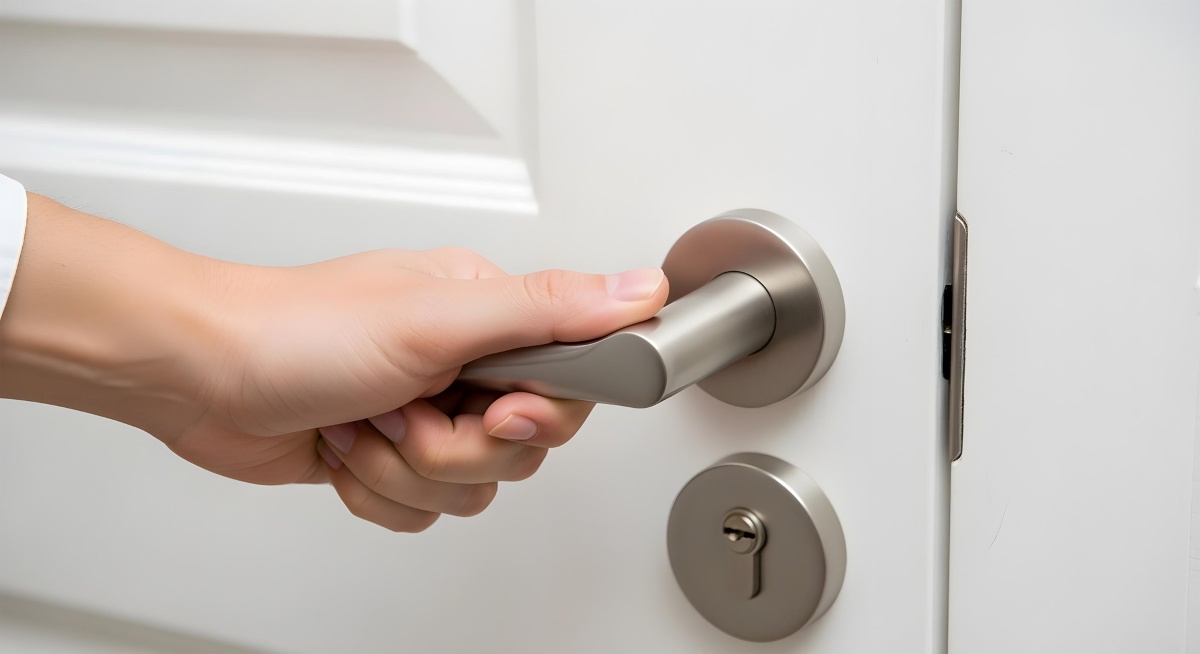
A good door handle should outlive the door it sits on. That sentence is worth pausing on, because most people assume hardware is a consumable, replaced every decade or so when it starts looking tired or working badly.
Walk through any Georgian townhouse or Edwardian terrace and you will find original brass handles still operating smoothly two centuries after they were installed. The lifespan was never the problem. The problem is what we have been buying for the past fifty years.
The honest answer is that a door handle's life expectancy depends almost entirely on what it is made of, how often it gets used, and whether it was designed to be repaired or replaced. Get those three factors right and you are looking at decades of trouble-free operation. Get them wrong and you may be replacing handles every five to ten years.
What Is The Realistic Lifespan Of A Door Handle?
A solid brass handle of decent quality, fitted properly and used in normal residential conditions, should give you 50 to 100 years before showing meaningful wear.
The metal itself does not fatigue under domestic loads, the spring mechanism in a well-engineered handle is rated for hundreds of thousands of cycles, and the only routine maintenance involved is occasionally tightening a grub screw and applying a tiny amount of lubricant to the spindle.
How Cheaper Materials Compare
A budget die-cast zinc handle, by contrast, typically lasts five to fifteen years. The metal corrodes from the inside, the plating wears off in a few years of grip contact, and the internal mechanism (often a single weak spring) fails through metal fatigue long before the rest of the handle looks worn.
Replacement is the only realistic option, since the components inside are not designed to be serviced.
Stainless steel falls between the two. A 304-grade stainless handle can easily run 30 to 50 years, longer in low-corrosion environments. Aluminium handles are typically a decade or so, depending on whether they are anodised or simply painted.
The lifespan figure quoted on packaging usually refers to the warranty period, which is typically a fraction of the actual useful life. A handle warrantied for ten years may comfortably exceed that; a handle warrantied for one year is telling you something.
What Determines How Long A Handle Lasts?
Three things, in roughly equal measure: the base material, the internal mechanism, and how it has been fitted.
Base Material
Solid brass, bronze, and high-grade stainless steel are inherently corrosion-resistant and do not fatigue under normal domestic loads.
Die-cast zinc alloy, despite being cheap and ubiquitous, is structurally weaker, more prone to corrosion at stress points, and almost always built with thin sections that crack at the spindle hole over time.
Internal Mechanism
The spring cassette inside the handle is doing the work every time you push the lever down, and a single weak spring will give up long before the rest of the handle.
Quality handles use dual return springs, hardened steel spindles, and bushings that can be replaced individually if they wear. Cheap handles use a single thin spring riveted in place; when it goes, the whole handle is scrap.
Fitting And Installation
A handle screwed too loose to its rose will wobble and fatigue the fixing points; one screwed too tight will bind the spindle and accelerate wear on the latch mechanism.
The door itself matters too: a handle on a heavy hardwood door takes more torque than one on a lightweight internal door, and a misaligned latch forces the handle to work harder than it should every time the door closes.
Why Do Cheap Handles Fail So Quickly?
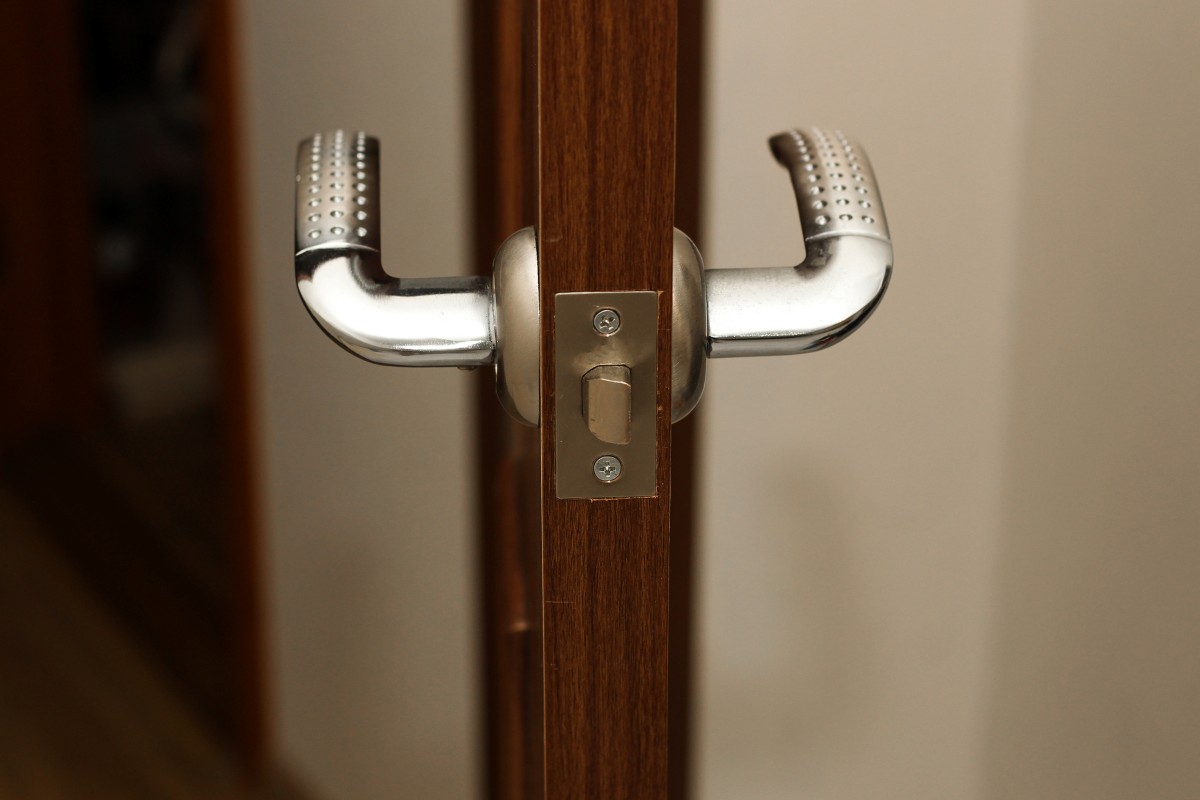
Walk into a building site and pull a few discarded handles out of the skip. The same patterns appear: cracked spindle holes, snapped springs, plating worn through to the base metal, lever arms that have rotated permanently downward.
None of these failures are random. They follow directly from the manufacturing decisions that made the handles cheap.
The Casting Problem
Die casting allows complex shapes at low cost but produces a porous, brittle metal that cannot tolerate the stress concentrations around the spindle hole.
The plating that gives cheap handles their finish (typically chrome over zinc) is often only a few microns thick, and contact with skin oils, cleaning chemicals, and atmospheric moisture wears it through in a few years of normal use.
Why The Mechanism Cannot Be Repaired
Internal mechanisms in budget handles cut every possible cost. Single springs replace dual springs, plastic bushings replace bronze, stamped steel replaces machined components.
Each economy individually shaves pennies off the unit cost; collectively they reduce the lifespan by a factor of five or more.
Among common problems with door handles and locks that crop up in homes across the UK, a substantial proportion trace back to handles that were never built to last in the first place. Repair is rarely possible because the failed components were never intended to be accessed.
How Should You Maintain A Handle To Maximise Its Life?
Maintenance is minimal, which is part of the appeal.
Standard Annual Care
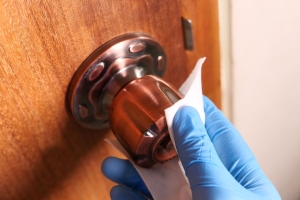
Every six to twelve months, check that the grub screw holding the lever to the spindle is tight, since these loosen gradually with use. Apply a tiny drop of light machine oil (3-in-1 or similar) to the spindle where it enters the rose, then operate the handle a few times to work it in. Wipe the visible metal with a dry cloth.
Avoid harsh cleaning products. Bleach, ammonia-based cleaners, and abrasive pastes will damage finishes, particularly on lacquered brass and antique-effect finishes. Warm soapy water on a soft cloth handles almost any cleaning need a domestic handle will encounter.
Higher-Risk Locations
For external handles or handles in bathrooms and kitchens, the maintenance interval is closer to every three to six months because of the harsher environment. Wipe down condensation, address any tarnishing or salt deposits early, and check fixings for corrosion.
If a handle starts feeling stiff, sticky, or noisy, address it immediately rather than waiting. Most issues at the early stage are 30-second fixes; the same issues left for six months can mean replacing the entire handle.
When Is It Time To Replace Rather Than Repair?
Replacement makes sense when the base material itself has failed: cracked die casting, irreversibly corroded steel, or wear that has compromised the structural integrity of the handle. It also makes sense when you are renovating and the existing hardware is genuinely budget-grade; investing in good handles at this stage pays back over decades.
Quality handles, on the other hand, are almost always worth repairing. A failing spring can be replaced. A loose grub screw can be tightened. A worn rose can be swapped. The hardware was designed with this in mind, and most parts remain available for handles produced over the past 50 years.
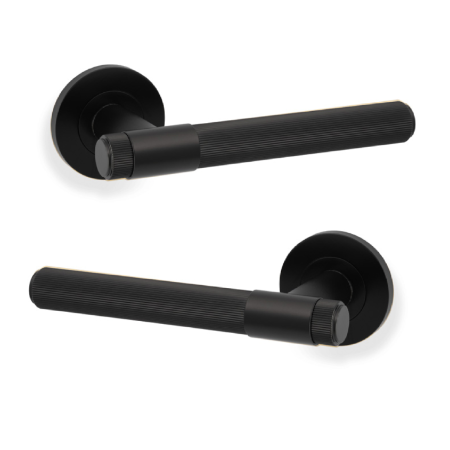
For homeowners looking for hardware that will outlast the renovation it’s part of, decorative door hardware for interiors made from solid brass with serviceable internal mechanisms represents the kind of buying decision you make once rather than repeatedly. After all, the cheap handle is rarely the “cheap” option in the long run.