





How To Clean Brass Door Handles: A Step-By-Step Guide
Brass has long been the darling of British architecture, prized for its golden warmth and its ability to age with a certain dignified grace. Yet, because brass is an alloy of copper and zinc, it is chemically reactive. Left to its own devices, it will oxidise, developing a dark, mottled film known as tarnish. In 2026, the resurgence of "living finishes" in interior design has made the care of brass a primary concern for homeowners who want to maintain that high-end, editorial look. Cleaning brass is not a matter of aggressive scrubbing; it is a delicate balancing act between chemistry and elbow grease.
The first rule of brass maintenance is identifying exactly what kind of brass you are holding. Modern manufacturing typically offers two distinct varieties: lacquered and unlacquered. A lacquered handle is coated in a clear, protective "envelope" of tough plastic or resin to prevent oxygen from reaching the metal. Unlacquered brass is "raw," designed to change and darken over time. Treating a raw handle like a coated one - or vice versa - is the most common mistake in home maintenance. Knowing the difference between lacquered and unlacquered brass is the prerequisite for a successful clean.
How To Clean Lacquered Brass Door Handles
If your handles have remained bright and shiny for years without any change in colour, they are almost certainly lacquered. Because the metal is sealed, you are not actually cleaning the brass itself; you are cleaning the protective coating. Aggressive metal polishes or acidic cleaners are the enemy here, as they can "craze" or dissolve the lacquer, leading to unsightly peeling and permanent damage.
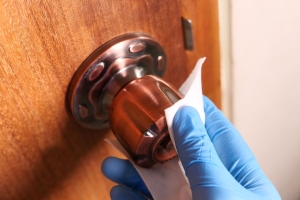
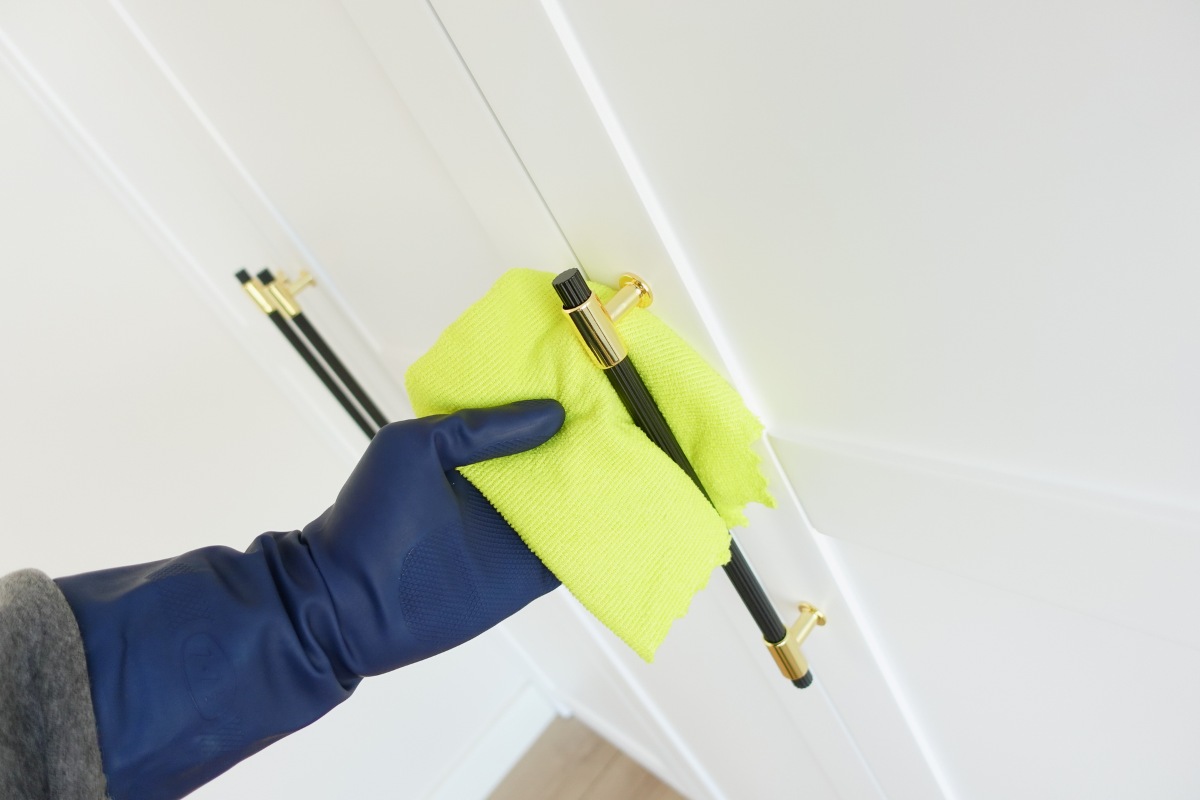
The most effective method for lacquered classic brass finish door hardware is remarkably simple. Use a soft, lint-free cloth dampened with lukewarm water and a drop of mild, pH-neutral dish soap. Wipe away the oils from fingerprints and the daily buildup of dust, then dry the handle immediately with a separate microfiber cloth. Never leave a lacquered handle to "air dry," as mineral deposits in the water can leave spots on the glossy finish. If the lacquer has already begun to crack or peel, the only solution is to have the handle professionally stripped and recoated.
Restoring The Shine To Unlacquered Brass
Unlacquered, or "living" brass, requires a more traditional approach. Over time, these handles will turn a deep, chocolatey bronze. Some homeowners love this aged look, but if you prefer the bright, buttery yellow of fresh brass, you will need to remove the oxidisation. For a gentle, eco-friendly option, a paste made of equal parts flour, salt, and white vinegar is a staple of heritage home care. Apply the paste, let it sit for ten minutes, and buff it off with a soft cloth.
For a more professional, mirror-like finish, a dedicated brass polish is necessary. Apply a small amount of polish to a clean rag and work it into the metal in circular motions. You will see the cloth turn black - this is the tarnish being lifted away. Once the handle is bright, use a clean section of the cloth to buff the surface until no residue remains. The more you buff, the more the "fire" of the brass will emerge.
Dealing With Heavy Tarnish And Verdigris
In some cases - particularly on external doors or in bathrooms - brass can develop "verdigris," the distinct green crust that forms when copper is exposed to moisture and salt. This is a sign of advanced corrosion and requires a bit more mechanical force. A very fine grade of wire wool (0000 grade only) can be used to gently lift the crust, but you must be incredibly careful not to deep-scratch the metal.
If the handle is heavily encrusted, it is often easier to remove it from the door entirely. Soaking the hardware in a solution of warm water and citric acid (or even lemon juice) can help loosen the mineral deposits. Once the green spots are gone, proceed with a standard polishing routine to restore the surface. Remember that once you have cleaned back to the raw metal, the tarnishing process starts again immediately, so regular maintenance is the only way to keep that "new" look.
How To Protect Brass From Frequent Tarnishing
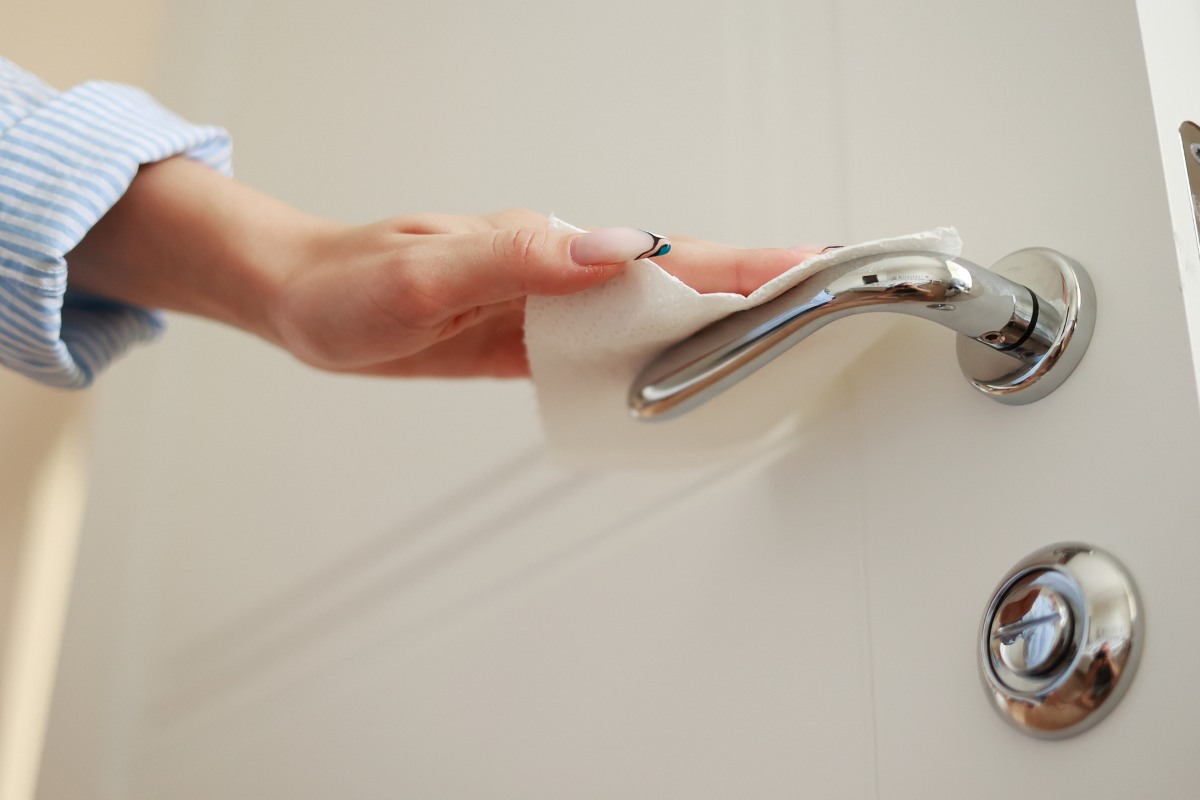
If you find yourself polishing your handles every fortnight, you might want to consider a protective barrier. While you can't easily re-lacquer a handle at home, you can apply a high-quality carnauba wax or a specialised "Renaissance Wax." These microcrystalline waxes are used by museum conservators to protect historical metalwork.
Applying a thin layer of wax and buffing it to a high shine creates a temporary, water-resistant seal. It won't last forever, but it will significantly slow down the oxidisation process and make future cleaning much easier. It also provides a beautiful, silky feel to the handle, reducing the "metallic" smell that raw brass can sometimes leave on the hands.
Cleaning Knurled And Textured Brass Surfaces
The 2026 trend for industrial-chic has brought knurled brass handles into many modern kitchens and hallways. While beautiful, these diamond-cut patterns are a magnet for grime and old polish residue. Using a flat cloth is often ineffective here, as it can't reach the "valleys" of the texture.
The secret weapon for textured brass is a soft-bristled toothbrush. Apply your cleaning solution or polish with the brush, using gentle circular motions to ensure the bristles penetrate the knurling. When you are finished, use a clean, dry brush to whisk away any excess paste that might be trapped in the pattern. If you leave polish in the crevices, it will dry into a white, chalky substance that is very difficult to remove later.
What To Avoid When Cleaning Brass
The quickest way to ruin a high-quality brass handle is to use an abrasive cleaner like scouring powder or a "magic eraser." These products work by creating microscopic scratches on the surface, which might look clean initially but will actually catch more dirt and tarnish faster in the future. Similarly, avoid any cleaners containing ammonia or bleach, as these can cause "stress corrosion cracking" in certain brass alloys.
Finally, always remember to protect the door itself. If you are using a liquid polish, use a "polishing shield" or a piece of thin cardboard tucked behind the rose to prevent the chemicals from staining the timber or paintwork. A clean handle is only impressive if the door behind it is equally pristine.
Maintaining Your Brass Over A Lifetime
A solid brass handle is a "forever" item. It is one of the few materials in a home that can be completely restored to its original condition even after decades of neglect. By spending five minutes every few months on basic maintenance, you ensure that your hardware remains a highlight of your interior design rather than an eyesore.
Whether you embrace the evolving patina of raw metal or prefer the crisp perfection of a lacquered finish, the care you put into your handles is a reflection of the care you put into your home. It is a small ritual of preservation that pays off every time you reach for the door.