




How to Replace the Handle on a uPVC Window

How to Replace the Handle on a uPVC Window
uPVC windows are found in houses across the UK, and as durable as they are, there are still parts that take a beating. This includes the handles, and a stiff, broken, or worn-out handle on a uPVC window is more than just an annoyance - it can be a security risk and compromise your home’s energy efficiency. The good news? Most people don’t realise that replacing a uPVC window handle is a simple task that most homeowners can tackle in under 10 minutes, with just a screwdriver and a little know-how.
The important thing is to make sure you have the right parts to carry out a repair, and in this guide, we’ll walk you through each step to get your window back in perfect working order.
When Should You Replace a uPVC Window Handle?
Common reasons include:
- The handle is loose or floppy
- The plastic surrounding the lock is damaged or missing
- The key no longer works or is missing
- It’s difficult to open or close the window
- You’re updating to a new style or colour
- You want to upgrade to a lockable handle for added security
Tools & Equipment You'll Need
- Flathead or Phillips screwdriver (depending on your handle)
- Replacement uPVC window handle (ensure it matches your window style)
- Measuring tape or ruler (to check spindle size)
- The key to the old handle (if still operational)
Types of uPVC Window Handles
Before you buy a replacement, identify the handle type:
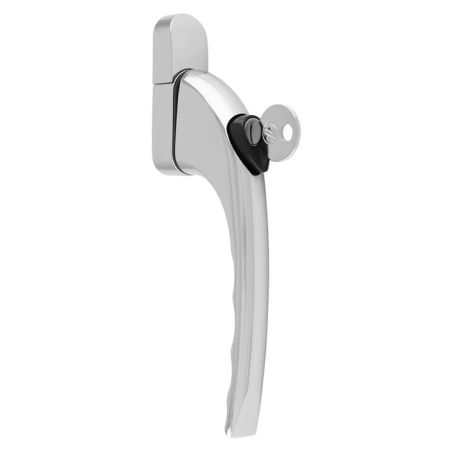
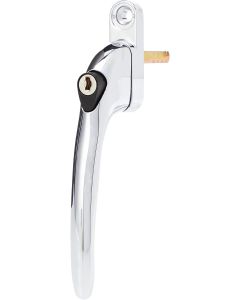
Espag (Espagnolette) Handles
The most common type, with a spindle that turns the window’s internal locking mechanism.
Cockspur Handles
Common on older windows. The handle closes over a wedge-shaped block.
Tilt and Turn Handles
Found on tilt-and-turn windows. These have longer spindles and allow dual movement.
This guide focuses on Espagnolette handles, but the basic process is similar for other types.












Step-by-Step: Replacing a uPVC Window Handle
1. Measure the Existing Handle
Before removing the handle, take note of:
- Spindle length (measured from the base of the handle to the tip of the spindle)
- Fixing hole centres (distance between screw holes, usually 43mm for espag handles)
This ensures your replacement fits correctly.
2. Remove the Old Handle
- Open the window fully to access the screws.
- Most handles have a plastic cover cap over the screws. Gently lift it with a flathead screwdriver.
- Use your screwdriver to unscrew the two fixing screws.
- Carefully pull the handle away from the window frame. The spindle will slide out with it.
Tip: If the handle is locked and you don’t have a key, you may need to drill the lock out. In that case, consult a professional to avoid damaging the mechanism.
3. Install the New Handle
- Slide the spindle of the new handle into the window mechanism.
- Line up the screw holes and secure it with the supplied screws.
- If your new handle includes a key, test it to make sure it locks and unlocks properly.
- Clip on any screw cover caps for a neat finish.
Final Checks
- Open and close the window a few times to ensure smooth operation.
- Check that the handle locks securely (if applicable).
- Ensure there’s no movement or looseness in the fixing screws.
Troubleshooting Tips
- Handle won’t turn? Check that the spindle is the correct length - it may be too short or not properly aligned with the internal lock.
- Screws won’t grip? If the screw holes are worn, use slightly larger screws to get a secure fix.
- Handle is stiff? Apply a small amount of silicone spray into the mechanism (avoid WD-40 as it can attract dirt over time).
Where to Buy a Replacement Handle
We stock a wide variety of uPVC compatible Espagnolette window handles, in an assortment of styles and finishes.
Make sure to double-check the spindle length and screw centres before purchasing.
You can view our entire range of uPVC window hardware here.
Replacing a uPVC window handle is one of the easiest and most affordable ways to improve your window’s function and appearance. With just a few tools and a careful approach, you can complete the job in minutes - no need for a tradesperson.
If you’re dealing with a jammed mechanism or suspect a deeper issue with the locking system, it may be worth calling a professional window technician to take a closer look.