




Squeaky Hinges? Here’s How to Fix Them (and When to Replace)

Squeaky Hinges? Here’s How to Fix Them (and When to Replace)
There’s nothing quite like the creak of a squeaky door to shatter the peace of your home. Whether it’s a groaning internal door or a front door that announces every visitor, squeaky hinges are a common household nuisance, but thankfully one that’s usually easy to fix.
Here’s a quick guide to silencing squeaky hinges, as well as advice on when a simple fix won’t cut it and it’s time to replace them altogether.
What Causes Squeaky Hinges?
Squeaking is typically caused by friction between the hinge pin and the hinge knuckles - often due to a lack of lubrication, a build-up of dust, or minor rust forming over time. In older properties, original ironmongery may also creak as it dries out or becomes misaligned from years of use.
Humidity, paint build-up, or poorly fitted hinges can also contribute to the noise.
How to Fix a Squeaky Hinge (Step-by-Step)
You don’t need to be a DIY expert to fix a squeaky hinge. In most cases, a quick bit of maintenance will do the trick.
What you’ll need:
- A screwdriver
- A cloth
- Lubricant (see below for options)
- Optional: fine sandpaper or wire wool
Step 1: Identify the Noisy Culprit
Open and close the door slowly to determine which hinge is squeaking. It’s often the top one, but not always - listen carefully.
Step 2: Apply Lubricant
There are a few common options for lubricating a squeaky hinge:
- WD-40: A handy quick-fix spray. Just aim into the hinge and open/close the door a few times. There’s a long-standing rumour that WD-40 attracts dust, however the company that manufactures it says that’s not true.
- 3-in-1 Oil: A longer-lasting choice. Apply sparingly to the hinge pin and work it in.Vaseline or petroleum jelly: Ideal for indoor hinges. Rub it into the hinge with your finger or a cloth.
- Graphite powder: A dry lubricant that's good for antique ironmongery and won’t attract dust.
Avoid using cooking oils, as they can go sticky or rancid over time.
Step 3: Work It In
Open and close the door repeatedly to help the lubricant work its way into the hinge. If the squeak goes quiet - job done, just make sure you put the lubricant you used somewhere you can find it next time a squeak develops.
Step 4 (Optional): Remove and Clean the Pin
If the squeak persists:
- Tap the hinge pin out with a hammer and nail (if safe to do so).
- Wipe it clean with a cloth and fine wire wool.
- Apply lubricant and reinsert it carefully.
Always hold the door steady when removing hinge pins, especially on heavy doors. They often get painted over during redecoration, if that’s happened you can use a blade to cut through the paint and help the pin to come out.
When to Replace Hinges Instead
If lubrication doesn’t solve the problem - or if your hinges are visibly damaged - it may be time to consider replacement.
Signs You Need to Replace Your Hinges:
- Rust or corrosion: Especially on external doors or in humid areas like bathrooms.
- Wobbling doors: If the hinge is loose even after tightening screws, the fixings may be stripped or the hinge bent.
- Visible cracks or warping: Old cast iron hinges can fracture with age.
- Persistent squeaking: Some older hinges are simply worn out or misaligned beyond repair.
In period properties, it’s worth replacing with like-for-like designs to preserve the aesthetic. For listed buildings or conservation areas, you may need to use heritage-grade ironmongery.
Choosing Replacement Hinges
When selecting new hinges, consider the following:
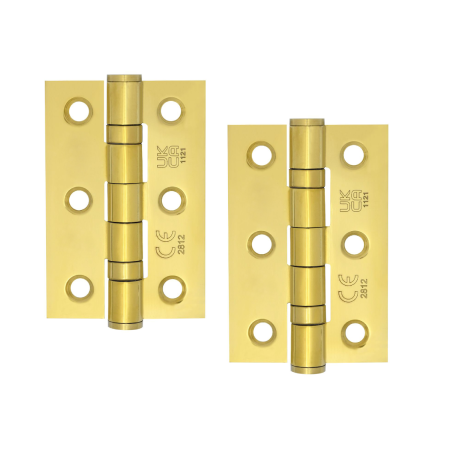
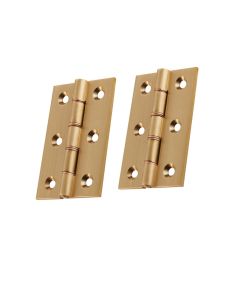
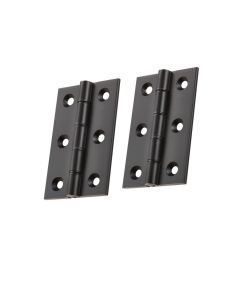
- Hinge type: Butt hinges are most common for internal doors; parliament hinges allow wider openings; rising butt hinges are typical on older bathroom or cellar doors.
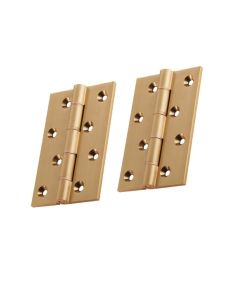
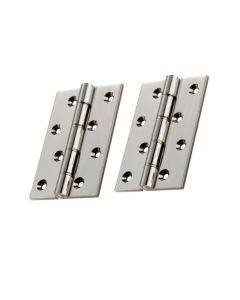
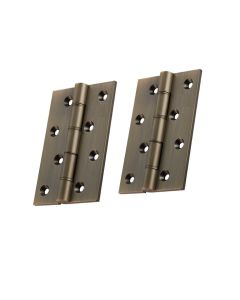
- Finish: Match with your door handles or locks - popular finishes for period properties include antique brass, black iron, and polished nickel.
- Size and load: Heavier doors require stronger or more numerous hinges. Check weight ratings if unsure.













Final Tips
- Check the screws: Sometimes the issue isn’t the hinge itself but a loose screw causing movement. Tighten everything before replacing.
- Paint build-up: Similar to above, if your hinge is painted over, try scoring around it with a sharp blade before unscrewing to avoid damaging your paintwork.
- Maintenance matters: A quick annual check and a dab of lubricant can prevent squeaks before they start.
Squeaky hinges are one of the easier DIY problems to solve. In most cases, a bit of lubrication and attention is all that’s needed. But if your hinges are past their best, a stylish replacement can not only solve the noise but smarten up your doors in the process.
If you're now looking for a set of replacement hinges, head over to our hinge section and you're sure to find what you need.