




Page 3 - Do It Yourself
-
- June 27, 2025
How to Update the Hinges on an Internal Door: A Step-by-Step Guide
Whether you're giving your home a refresh or replacing tired, squeaky fittings, updating the hinges on an internal door is a relatively simple task that can make a big difference. With a bit of patience and the right tools, it’s well within the reach of a competent DIYer, but there are definitely some hints and tips that will help you achieve a better result, with a smoother route to get there.
Here’s how to do it.
What You’ll Need:
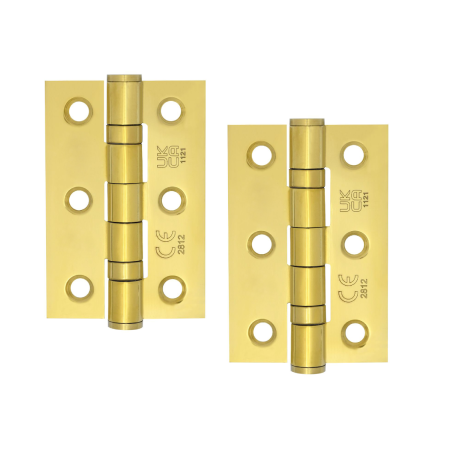
- New door hinges (typically 3” butt hinges for internal doors, but check your current size)
- Suitable screws (usually included with the hinges)
- Screwdriver or drill/driver
- Chisel and mallet (for adjusting the recess if needed)
- Utility knife
- Wood filler (if screw holes are worn)
- Sandpaper
- Pencil
Wedges to support the door (In a pinch, you can use a pile of junk mail for this job, but it might take some experimentation before you find out exactly how much you need - when the door has been re-hung,
-
- June 25, 2025
Why You Shouldn’t Overlook Door Stops - And When It’s Time to Install a Permanent One
When it comes to home hardware, door stops rarely get a moment in the spotlight. They're humble little items, often hidden behind a door or screwed into a skirting board - and yet, they play a crucial role in protecting both your walls and your sanity.
Whether you’ve just moved into a new home, are giving a room a freshen-up, or have recently had new doors installed, it’s worth giving a bit of thought to your door stops. Here’s why they matter - and how to tell when a permanent option is the right call.
What Do Door Stops Actually Do?
In short: they stop doors from swinging too far.
This might sound obvious, but it’s a bigger deal than it sounds. Without a door stop in place, a heavy door can bang into a wall, furniture, or radiator - and over time, that can cause real damage. It could be cracked plaster, dented woodwork, broken door handles or even costly repairs to your wall if a handle repeatedly punches
-
- June 20, 2025
The Most Popular Finishes for Home Hardware in Period Properties
If you’re lucky enough to have purchased or inherited a period property that’s in need of restoration, you’re probably dead set on maintaining the right aesthetic. Few details matter more than your choice of finish on door furniture and cabinet fittings, whether you’re fixing up a Georgian townhouse or a Victorian terrace. The right hardware finish can enhance the character of your home and subtly anchor it in the correct historical context.
Here’s a guide to some of the most suitable finishes for period homes across the UK, with tips on where and how to use them for the most authentic effect.
Antique Brass
Best for: Georgian and early Victorian properties
Typical use: Door handles, knobs, letterplates, escutcheons, drawer pulls
Antique brass is a perennial favourite for period interiors. Its warm, aged tone complements older timber doors beautifully and works particularly well in hallways and drawing rooms. The soft patina
-
- June 18, 2025
How to Fit a Door Viewer in a Wooden or uPVC Front Door
Fitting a door viewer (or peephole) is a simple but effective way to improve your home security. It allows you to see who’s at your door without opening it - giving you peace of mind, especially in the evenings or when home alone.
The good news? Installing one takes less than 30 minutes and only requires basic tools. Whether you have a wooden or uPVC door, this guide will walk you through the process step by step.
What Is a Door Viewer?
A door viewer is a small optical lens fitted into your front door. From the inside, it gives you a wide-angle view of anyone standing outside. Some even include digital screens or night vision, but most traditional viewers use a simple peephole design.
Choosing a door viewer
You’ll need to make sure the door viewer is the correct depth for your door. If the viewer itself is too deep then you’ll have an untidy effect on both sides of the door, and it will also be less secure. -
- June 12, 2025
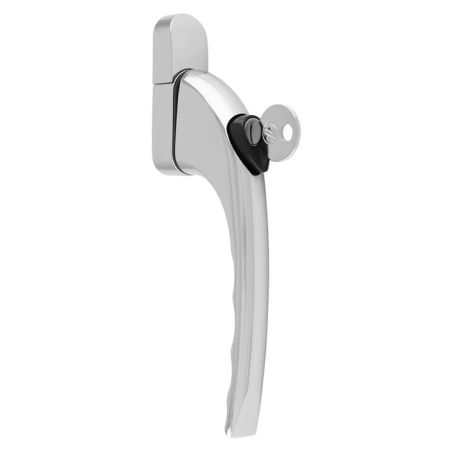
How to Replace the Handle on a uPVC Window
uPVC windows are found in houses across the UK, and as durable as they are, there are still parts that take a beating. This includes the handles, and a stiff, broken, or worn-out handle on a uPVC window is more than just an annoyance - it can be a security risk and compromise your home’s energy efficiency. The good news? Most people don’t realise that replacing a uPVC window handle is a simple task that most homeowners can tackle in under 10 minutes, with just a screwdriver and a little know-how.
The important thing is to make sure you have the right parts to carry out a repair, and in this guide, we’ll walk you through each step to get your window back in perfect working order.
When Should You Replace a uPVC Window Handle?
Common reasons include:
- The handle is loose or floppy
- The plastic surrounding the lock is damaged or missing
- The key no longer works or is missing
- It’s difficult to open or close the window
- You’re updating to a new style or
-
- June 10, 2025
Squeaky Hinges? Here’s How to Fix Them (and When to Replace)
There’s nothing quite like the creak of a squeaky door to shatter the peace of your home. Whether it’s a groaning internal door or a front door that announces every visitor, squeaky hinges are a common household nuisance, but thankfully one that’s usually easy to fix.
Here’s a quick guide to silencing squeaky hinges, as well as advice on when a simple fix won’t cut it and it’s time to replace them altogether.
What Causes Squeaky Hinges?
Squeaking is typically caused by friction between the hinge pin and the hinge knuckles - often due to a lack of lubrication, a build-up of dust, or minor rust forming over time. In older properties, original ironmongery may also creak as it dries out or becomes misaligned from years of use.
Humidity, paint build-up, or poorly fitted hinges can also contribute to the noise.
How to Fix a Squeaky Hinge (Step-by-Step)
You don’t need to be a DIY expert to fix a squeaky hinge. In most cases, a quick
-
- June 06, 2025
How to Fit a Bathroom Deadbolt with a Thumb Turn
If you're looking to add a little extra privacy to your bathroom, a thumb-turn deadbolt is a smart and easy-to-fit solution. Unlike traditional locks, there's no key involved - just a simple turn from the inside, and in most cases, an emergency release on the outside should you ever need it.
Whether you're upgrading tired fittings or fitting a new door from scratch, this guide will walk you through how to fit a bathroom deadbolt with a thumb turn. It's a straightforward job with just a few basic tools.
What Is a Bathroom Thumb-Turn Deadbolt?
A bathroom deadbolt is a type of internal door lock designed purely for privacy, not security. It's operated by turning a thumb turn on the inside and typically features an emergency release on the outside - often in the form of a slot the right size for a screwdriver or coin - so the door can still be opened from outside in the event of an emergency.
These are commonly fitted to wooden internal doors
-
- June 04, 2025
How to replace or install a mortice lock
Mortice locks are commonly found in wooden doors in homes and commercial properties alike, particularly those with a bit of history. Whether your existing lock has worn out or you simply want to upgrade for better security, fitting a new mortice lock or replacing an old one is a manageable task with the right tools and a little patience. In this guide, we’ll walk you through the steps to replace a mortice sash lock or deadlock, ensuring a smooth and secure result.
What’s the difference between a mortice sash lock and a deadlock?
The two are very similar, however a sash lock adds one piece of extra functionality - it also incorporates the latch mechanism of a standard door handle. This gives you a choice when making your mortice lock purchase - if there’s already a handle in the door that you’re happy with, you can simply follow the steps to install a deadlock below (or above, if that works better for you) the existing handle.
To make it easy:
Deadlock -
- May 29, 2025
Which Lock Do I Need? A Guide to the Different Types of Lock and Their Uses
Choosing the right lock can feel like a minefield - especially when faced with unfamiliar terms like "mortice" or "Euro cylinder." Whether you're looking to upgrade your home security or replacing a faulty lock, it's important to understand what each type of lock does and when to use it.
Here’s a clear and simple guide to four of the most common household locks, covering their use cases, strengths, and where they’re most effective. We’ve also included whether we think you can install the lock yourself, or need to speak to a professional - as much as we love DIY, there are definitely some times when it’s good to know your limits.
When you might need a Euro Cylinder Lock
Best for: uPVC and composite doors
Commonly found on: Front and back doors in modern homes
Euro cylinder locks are among the most widely used locks in the UK, especially on uPVC doors. They sit inside a multi-point locking mechanism and are operated
-
- May 27, 2025
A Step-by-Step Guide to Updating Your Wooden Front Door
Have you ever looked at your front door and thought “I need to change something”?
And then you probably thought “what can I possibly change?” Well we may have the answer for you. Sometimes a lick of paint can do the job, and you may also want to do that extra bit without having to break the bank, which is where the letterbox comes into play. Changing it can give a whole new vibe to the door. Sounds a bit tricky, doesn’t it? The good news is that it isn’t difficult all - in fact, below is a guide that gives you all the info you need to change the letterbox all by yourself.
Why replace a letterbox?
A rusty old letterbox can truly reduce kerb appeal and more importantly, it can increase energy costs as it lets in a draught or in the worst scenarios, rain. Swapping it for a fresh one costs very little and can give a whole new vibe to your door. Think of it as TLC for your front door, an all-important part of the home that rarely gets